Author name: MYWAY

Arc Furnace Metallurgy: Selecting Electric, Submerged-Arc, and Process Systems for Reliable High-Temperature Production
Interpretation of Bushing Knowledge

Arc Furnace Metallurgy: Selecting Electric, Submerged-Arc, and Process Systems for Reliable High-Temperature Production

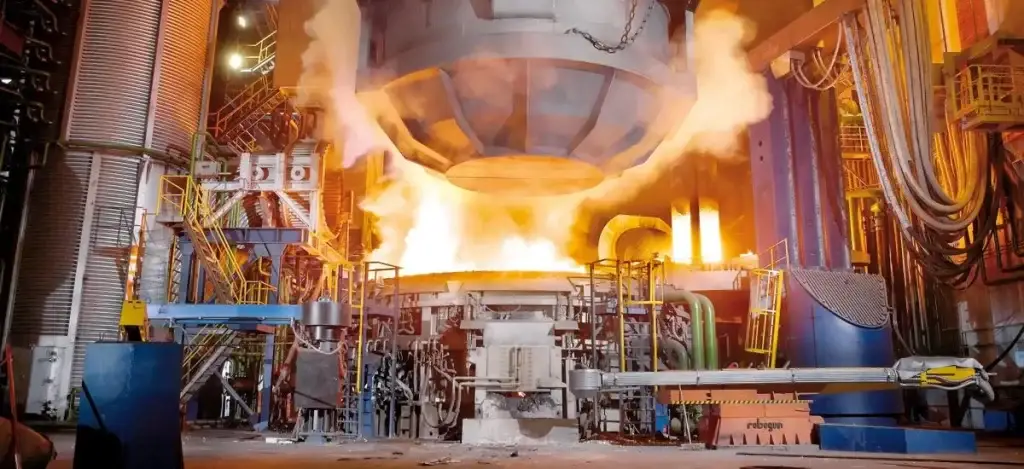
Arc furnace is a broad industrial term, not a single machine. It may refer to an electric arc furnace (EAF) that melts and refines steel scrap, a submerged arc furnace (SAF) that reduces ore and carbonaceous burden to ferroalloys or silicon products, or a specialized arc-heating system used in foundry, mineral, recycling, and high-temperature process applications. These furnaces share electrical power, electrodes, refractory containment, cooling, off-gas, and safety systems. Their reaction mechanisms, feed preparation, control philosophy, and purchasing criteria are nevertheless different.
This distinction matters for search visibility and for a productive technical inquiry. A customer seeking an arc furnace supplier may need a scrap-melting EAF, a ferrosilicon or silicon-metal SAF, an electrode system, a transformer, water-cooled parts, fume-extraction equipment, furnace refractories, or a modernization service. The most credible proposal begins by identifying the product, charge, reaction, electrical duty, quality target, emissions boundary, and bottleneck rather than by sending a generic equipment catalogue.
Electric Arc Furnace Steelmaking: Controlling Scrap, Energy, Foamy Slag, and Melt-Shop Performance
Interpretation of Bushing Knowledge

Electric Arc Furnace Steelmaking: Controlling Scrap, Energy, Foamy Slag, and Melt-Shop Performance

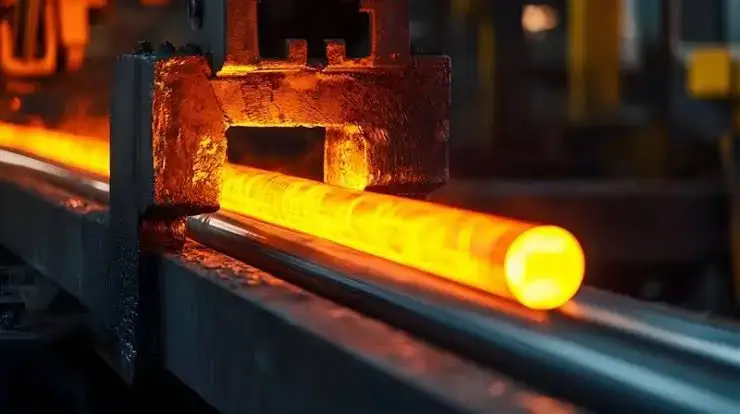
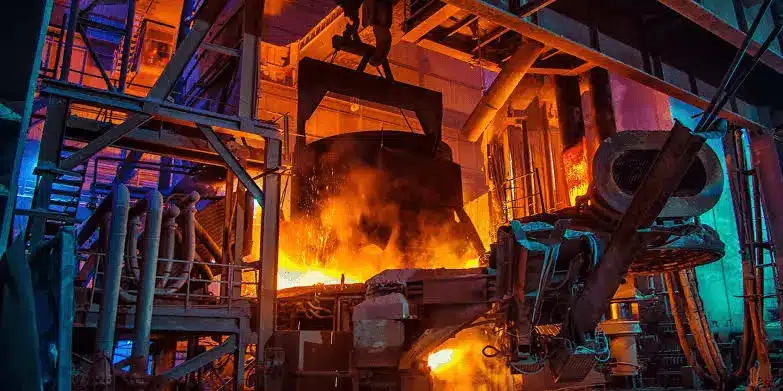
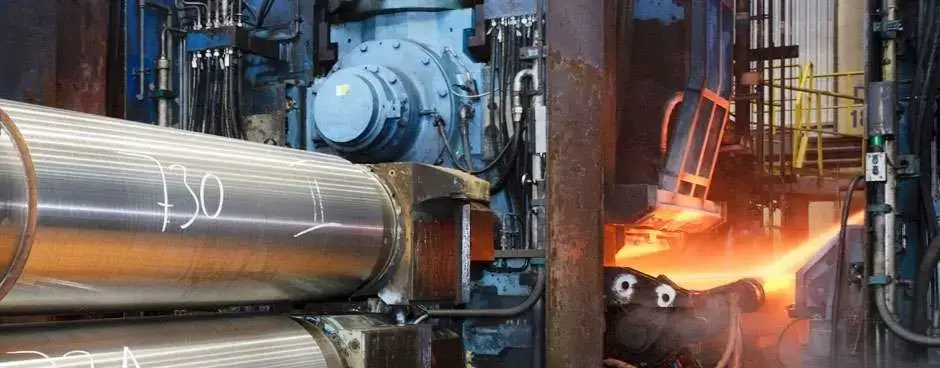
An electric arc furnace, commonly called an EAF, melts and refines steel through electrical arcs while combining a recyclable metallic charge with chemical energy, engineered slag practice, and downstream secondary metallurgy. It is the central melting unit of many mini-mills and scrap-based steel plants, yet the phrase “electric arc furnace steelmaking” describes much more than a furnace shell and graphite electrodes. The commercial result depends on scrap preparation, direct reduced iron (DRI) or hot-briquetted iron (HBI) strategy, transformer capacity, oxygen and carbon injection, foamy slag stability, water-cooled equipment, refractory life, fume capture, tapping practice, and the discipline of turning heat data into repeatable decisions.

Rolling Mills Steel Metallurgy: How Deformation, Temperature, and Cooling Define Steel Performance
Interpretation of Bushing Knowledge

Magnesia-Carbon Refractories: Engineering MgO-C Bricks for Slag Resistance, Thermal Shock, and Campaign Life

Magnesia-carbon refractory, usually written as MgO-C refractory or magnesia carbon brick, is a basic carbon-bonded composite used where molten steel, basic slag, thermal cycling, mechanical impact, and oxidizing practice meet. Its design is built on a productive tension: magnesia provides a refractory, basic oxide skeleton with useful compatibility against basic slag, while graphite and the carbon bond reduce wetting and help the material survive thermal shock. Carbon also creates the material’s central vulnerability. When graphite and carbon bonding oxidize, the brick becomes more open, slag penetration becomes easier, and the original corrosion resistance can collapse. Successful MgO-C selection is therefore a zone-specific balance of raw materials, carbon level, antioxidant package, binder, microstructure, steelmaking practice, and maintenance.

Molybdenum in Steel Metallurgy: Building Hardenability, Temper Resistance, Corrosion Resistance, and Creep Strength
Interpretation of Bushing Knowledge

Molybdenum in Steel Metallurgy: Building Hardenability, Temper Resistance, Corrosion Resistance, and Creep Strength

Molybdenum is often specified as a percentage on a mill test certificate, yet its commercial value comes from the microstructures it helps create and preserve. In carbon and low-alloy steel, molybdenum can delay transformation, improve hardenability, resist temper softening, and support elevated-temperature strength. In chromium-molybdenum pressure materials, it contributes to creep resistance and process reliability. In stainless steel, it strengthens resistance to localized corrosion in appropriate alloy systems. These functions are not automatic. Carbon, chromium, nickel, nitrogen, boron, section size, austenitising cycle, cooling rate, tempering, welding heat input, and service environment determine whether molybdenum produces the intended result.

Rolling Mills Steel Metallurgy: How Deformation, Temperature, and Cooling Define Steel Performance
Interpretation of Bushing Knowledge

Rolling Mills Steel Metallurgy: How Deformation, Temperature, and Cooling Define Steel Performance

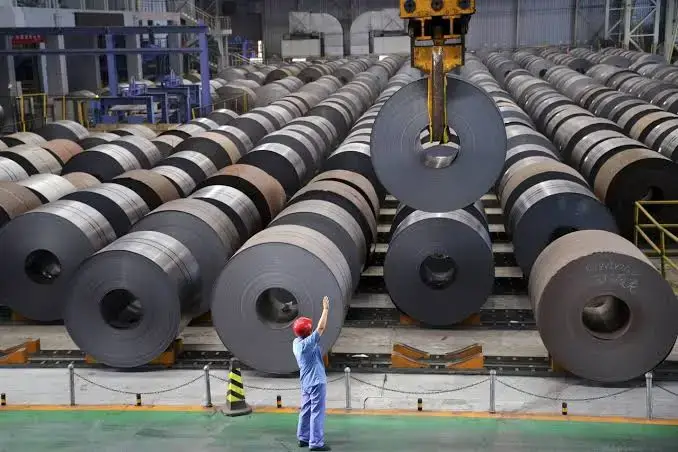
Steel rolling is commonly described as thickness reduction, but its metallurgical effect is more consequential. Reheating, descaling, roughing, finishing, coiling, cold reduction, annealing, and temper rolling determine grain size, texture, residual stress, surface condition, flatness, strength, formability, and downstream consistency. A coil with the correct nominal thickness can still be unsuitable if its microstructure, crown, edge condition, or mechanical-property variation is not controlled. For customers buying hot rolled steel coil, cold rolled steel sheet, plate, strip, bar, or rolling-mill equipment, the valuable discussion begins with process capability rather than with gauge alone.

Oilless Bushing Metallurgy: Solid Lubricants, Bronze, and Composite Layers Under Load
Interpretation of Bushing Knowledge

Oilless Bushing Metallurgy: Solid Lubricants, Bronze, and Composite Layers Under Load

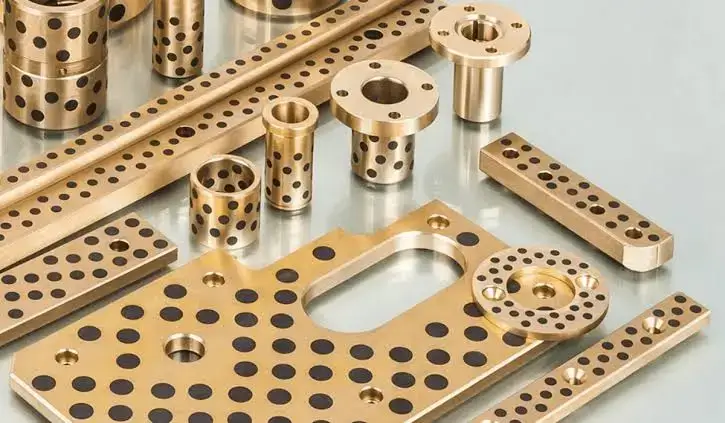
The phrase “oilless bushing” is useful in search and procurement, but it can conceal important engineering differences. Some self-lubricating bushings rely on graphite plugs embedded in cast bronze. Others use a steel-backed, porous bronze interlayer with a PTFE-based sliding surface. A third category is a sintered bronze bearing whose connected porosity stores oil released during service. Each system reduces or eliminates routine external oiling in a defined operating window; none removes the need to control pressure, speed, heat, shaft finish, alignment, and contamination. The metallurgy determines how the bearing carries load, transfers lubricant, and survives wear.

The Bronze Bushing
Interpretation of Bushing Knowledge

Flanged Bronze Bushing Metallurgy: Engineering the Bearing Surface That Carries Both Load and Thrust

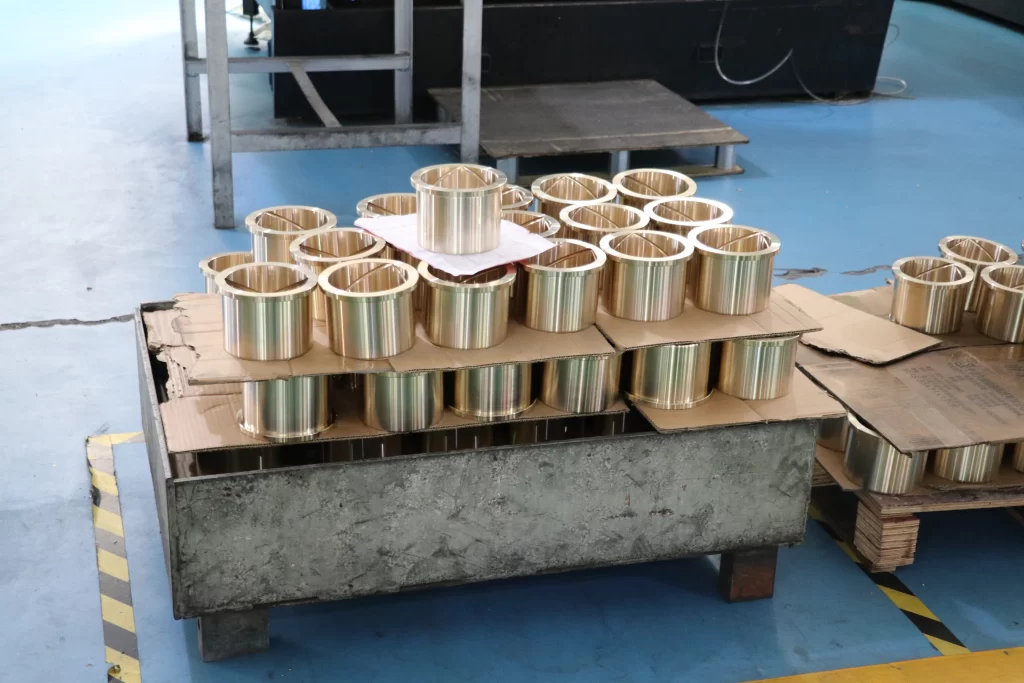
A flanged bronze bushing is a deceptively compact tribological component. Its cylindrical wall supports radial load, while the integral flange locates the assembly and accepts axial thrust. In a pump, hydraulic cylinder, agricultural pivot, construction machine, gear reducer, marine mechanism, or heavy-duty OEM assembly, that two-direction role makes alloy selection and manufacturing control consequential. The best bushing is not simply the hardest bronze or the lowest-priced sleeve: it is the material, geometry, lubrication arrangement, shaft condition, clearance, and inspection plan that work together under the actual duty cycle.

The Metallurgical Edge: Aluminum Lined Bearings for High-Performance Industrial Motion
Interpretation of Bushing Knowledge

The Metallurgical Edge: Aluminum Lined Bearings for High-Performance Industrial Motion

The evolution of bearing metallurgy has consistently gravitated toward solutions that balance strength, weight, and operational efficiency. Among these advancements, aluminum lined bearings have emerged as a cornerstone technology for industries ranging from automotive to heavy machinery. These components, characterized by a robust steel backing and a precision-engineered aluminum-based lining, offer a compelling combination of load capacity, fatigue resistance, and lightweight construction.

The Metallurgical Engineering of Bronze Sleeve Bearings: Alloy Selection, Load Dynamics, and Industrial Application
Interpretation of Bushing Knowledge

The Metallurgical Engineering of Bronze Sleeve Bearings: Alloy Selection, Load Dynamics, and Industrial Application

Bronze sleeve bearings, classified as plain bearings or journal bearings, constitute a foundational component within mechanical engineering, providing a critical interface for rotating or linear motion between a shaft and a housing. Functioning as bushings, these components leverage the inherent tribological advantages of copper-based alloys to reduce friction, manage heat dissipation, and absorb operational loads. The extensive utility of bronze sleeve bearings, from automotive powertrains and heavy construction equipment to precision machine tools and marine propulsion systems, is attributable to the versatile metallurgical properties of bronze. Unlike rolling element bearings that rely on point contact, sleeve bearings employ a larger surface contact area, enabling them to support significant radial loads, accommodate shock loading, and offer resistance to mechanical wear

Spherical Plain Bearing: Essential Component for Heavy-Duty Industrial Linkages
Interpretation of Bushing Knowledge

Spherical Plain Bearing: Essential Component for Heavy-Duty Industrial Linkages

Spherical plain bearings, also known as spherical bushings or plain shaft bearings, serve as critical components in heavy machinery and industrial equipment where angular misalignment, oscillating movements, and substantial load capacities converge. These bearings facilitate smooth rotational motion between two components through a sliding contact interface between an inner ring and an outer ring with a spherical geometry. Unlike rolling-element bearings, spherical plain bearings rely on sliding surfaces to accommodate both radial loads and thrust loads in multiple directions, making them indispensable for demanding applications in construction machinery, agricultural equipment, hydraulic systems, and metallurgical plants

Scroll to Top