Author name: MYWAY

Wear Plates: Material Performance, Metallurgical Working Conditions & Matched Wear Protection Solutions
Interpretation of Bushing Knowledge

Wear Plates: Material Performance, Metallurgical Working Conditions & Matched Wear Protection Solutions

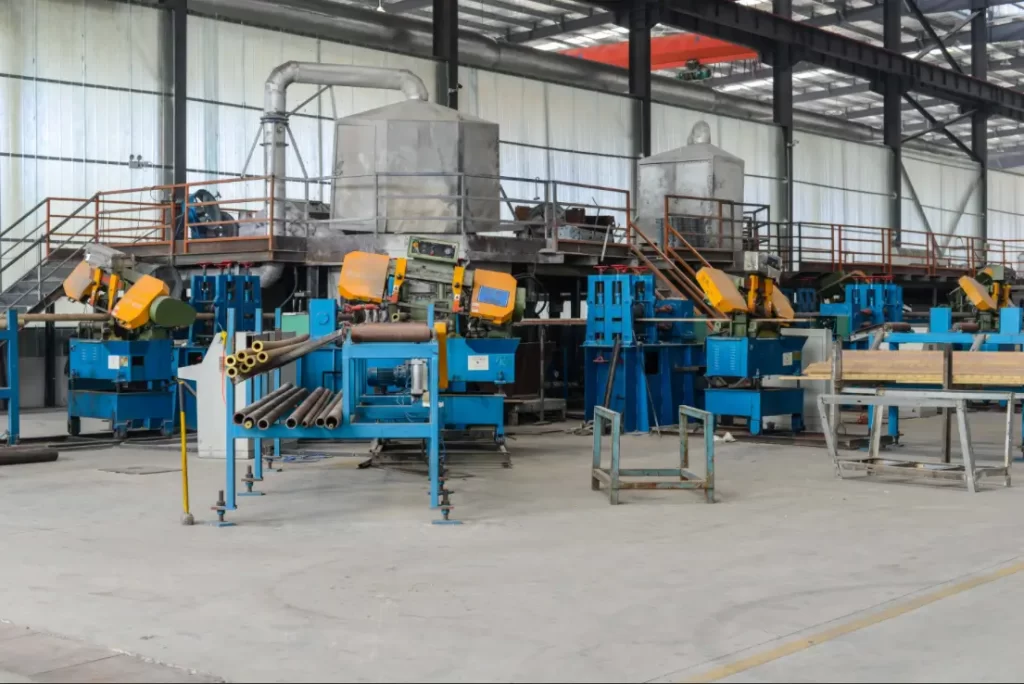
Severe abrasion, continuous impact, high-temperature erosion and material friction are persistent bottlenecks restricting stable production in metallurgy, mineral processing and heavy industrial manufacturing. Wear plates, also known as abrasion-resistant liners or slide plates, serve as sacrificial protective components installed on equipment contact surfaces to bear abrasive load, buffer impact force and avoid premature failure of expensive main equipment structures. Improper material selection of wear plates will trigger frequent shutdown maintenance, soaring spare parts consumption and increased overall operating costs.
Metallurgical Characteristics & Industrial Application Analysis of Bronze Bushings for Sliding Bearing Systems
Interpretation of Bushing Knowledge

Metallurgical Characteristics & Industrial Application Analysis of Bronze Bushings for Sliding Bearing Systems

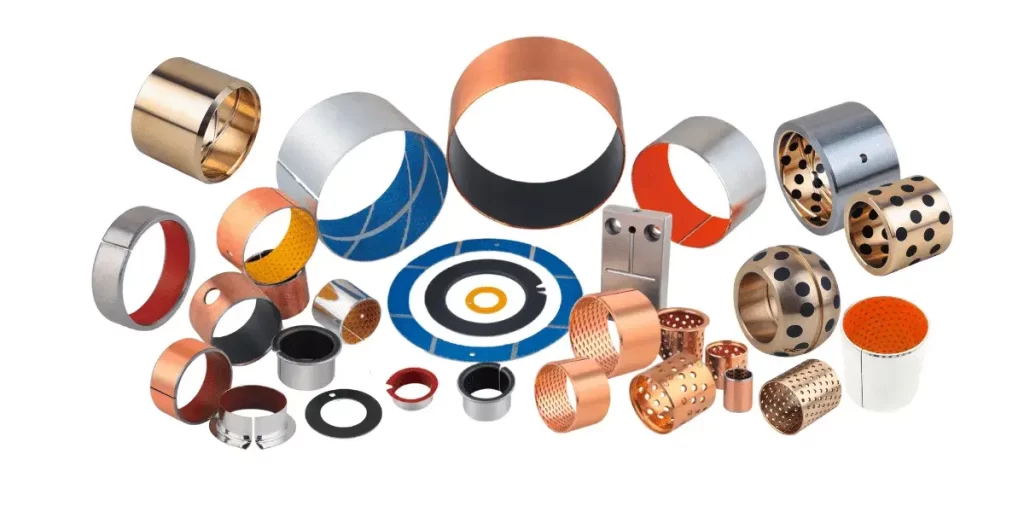
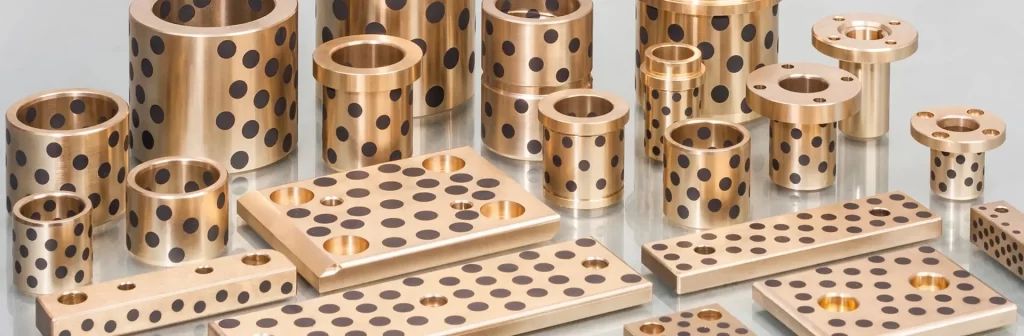
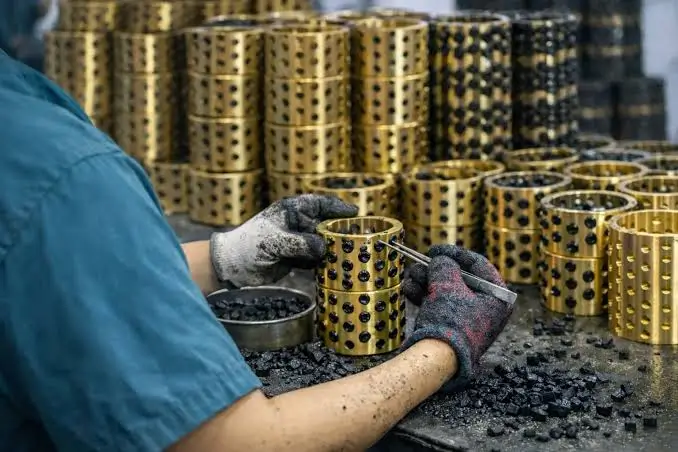
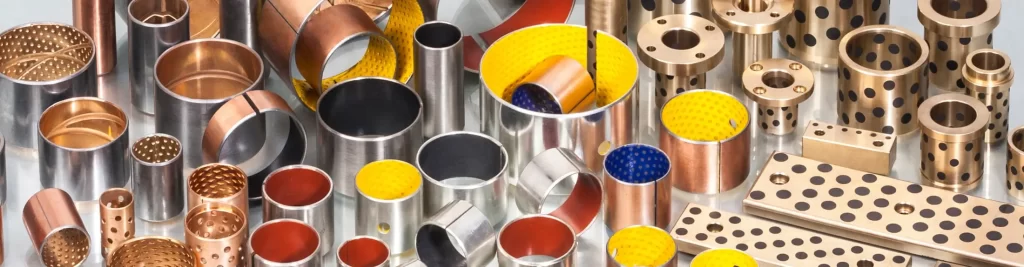
Bronze bushings represent the most widely adopted copper-based plain bearing components across global heavy manufacturing. Produced from tin bronze, aluminium bronze, manganese bronze and leaded bronze, these sliding sleeves rely on outstanding anti-friction performance, load-bearing capacity and corrosion resistance to replace rolling bearings in low-speed, high-load operating scenarios. With diversified casting technologies including continuous casting and centrifugal casting, bronze bushings can be manufactured as standard cylindrical sleeves, flanged bushings, thrust washers, graphite embedded self-lubricating bearings and custom machined wear plates.

Self-Lubricating Bushings: The Maintenance-Free Solution for Demanding Industrial Applications
Interpretation of Bushing Knowledge

Sleeve Bearing Metallurgy: Material Architectures, Performance Optimization, and Application Engineering

Sleeve bearings, also known as plain bearings, journal bearings, bushings, or sliding bearings, represent one of the most fundamental and widely applied mechanical components in engineering history. Unlike rolling element bearings that utilize balls or rollers to separate moving parts, sleeve bearings employ a sliding action between two conforming surfaces to facilitate linear or rotational movement while reducing friction, absorbing vibration, and supporting loads. The metallurgical composition, material architecture, and manufacturing processes of sleeve bearings directly determine their performance characteristics, service life, and application suitability.

Babbitt Bearing Metallurgy: Material Science, Design Classifications, and Industrial Applications
Interpretation of Bushing Knowledge

Babbitt Bearings: Material Characteristics, Working Mechanism, Classification and Industrial Application Solutions

Rolling bearings occupy dominant market share in general machinery, yet heavy-duty rotating equipment such as turbines, large generators, industrial pumps and blowers still rely heavily on fluid film sliding bearings lined with Babbitt metal. Babbitt bearings, also known as white metal bearings, represent a core type of plain bearing defined by lining material rather than structural form. Since Isaac Babbitt invented Babbitt alloy in 1839, this soft bearing alloy has been widely adopted in heavy industry for its outstanding conformability, embeddability and anti-galling performance.

MYWAY Metal Bushing: High-Performance Wear Solutions for Heavy-Duty Machinery
Interpretation of Bushing Knowledge

Thermal Metallurgy in Motion: The Critical Role of Alloy Melting Behavior in Bushing Performance and Reliability

In the demanding environments of heavy industry, the melting characteristics of metallic alloys serve as the fundamental determinant of component longevity. While operational temperatures never intentionally approach the melting threshold, the margin between standard operating conditions and the solidus point of an alloy defines the safety buffer against thermal degradation, friction-induced heat spikes, and catastrophic failure. This principle carries particular significance in the metallurgy sector, where rolling mills, casting equipment, and extrusion presses subject bearings and bushings to extreme loads, elevated temperatures, and continuous operation.

Tungsten and Steel: A Comprehensive Analysis of Metallurgical Synergy for High-Performance Applications
Interpretation of Bushing Knowledge

Tungsten and Steel: A Comprehensive Analysis of Metallurgical Synergy for High-Performance Applications

The intersection of tungsten and steel represents one of the most significant material engineering achievements in modern industry. This metallurgical combination creates solutions that address the most demanding operational challenges across manufacturing sectors. From the historical origins of tungsten steel to contemporary applications in heavy machinery, the evolution of these materials reflects ongoing innovation in pursuit of enhanced durability, temperature resistance, and operational longevity. This analysis examines the properties, applications, and engineering considerations of tungsten-steel integration while highlighting critical component requirements for optimal system performance.

Tungsten Steel in Modern Metallurgy: Engineering High-Performance Alloys for Demanding Industrial Applications
Interpretation of Bushing Knowledge

Tungsten Steel in Modern Metallurgy: Engineering High-Performance Alloys for Demanding Industrial Applications

Tungsten steel represents one of the most significant advancements in metallurgical engineering, combining the elemental strength of tungsten with the structural versatility of steel to produce alloys capable of performing under extreme conditions that would render conventional materials ineffective. The distinctive properties of tungsten steel—exceptional hardness retention at elevated temperatures, superior wear resistance, and remarkable dimensional stability—have established it as an indispensable material across numerous industrial sectors, from precision tooling and mold manufacturing to high-speed machining and heavy-duty equipment applications.

MYWAY Bushing: Top 5 Bushing and Bearing Manufacturers in China
Interpretation of Bushing Knowledge

Steel Rolling Mill Technology: Core Equipment, Functional Applications, and High-Performance Component Solutions

Steel rolling represents the principal forming process in modern metallurgy, where immense compressive forces transform raw steel into finished products that constitute the backbone of infrastructure, automotive manufacturing, construction, and countless industrial applications worldwide. Rolling mills—the sophisticated machinery at the heart of this process—have evolved from simple two-high configurations to complex multi-stand trains capable of producing everything from ultra-thin foils to heavy structural beams. Understanding the functional architecture, application contexts, and critical component requirements of these mills is essential for operators seeking to optimize production efficiency, product quality, and operational longevity.

Mastering Metallization Excellence: The Critical Role of Iron Ore Pellets in Direct Reduction Sponge Iron Quality
Interpretation of Bushing Knowledge

Mastering Metallization Excellence: The Critical Role of Iron Ore Pellets in Direct Reduction Sponge Iron Quality

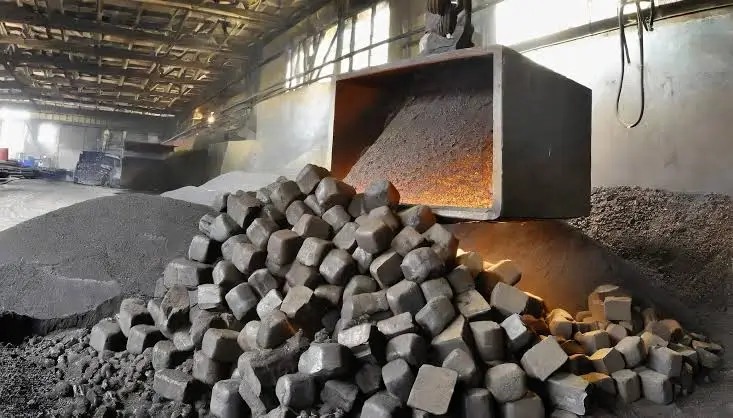
In the contemporary landscape of steelmaking, the direct reduction (DR) process has emerged as a cornerstone for producing high-grade metallic feedstocks, circumventing the traditional carbon-intensive blast furnace route. At the heart of this technological evolution lies a tripartite relationship: the intrinsic properties of iron ore pellets, the kinetic efficiency of the reduction furnace, and the resultant quality parameters of sponge iron, particularly its metallization degree. For plant operators, metallurgical engineers, and procurement specialists, achieving consistent, premium-grade sponge iron is not merely a matter of operational efficiency; it is the key determinant for downstream Electric Arc Furnace (EAF) performance, refractory life, and overall steel purity.

Advanced Composite Bush Solutions for Heavy-Duty Truck Suspension & Chassis Systems
Interpretation of Bushing Knowledge

Advanced Composite Bush Solutions for Heavy-Duty Truck Suspension & Chassis Systems

In the evolving landscape of commercial vehicle engineering, the interface between durability and dynamic performance is often defined by the smallest components. Among these, the suspension bushing—frequently overlooked—plays a pivotal role in ride quality, alignment retention, and component longevity. This article delves into the technical architecture, functional advantages, and application scenarios of modern truck composite bushes, with a particular focus on how advanced polymer matrix compounds are redefining maintenance cycles and operational efficiency for fleet managers and owner-operators alike.

Scroll to Top