sintered bronze

The Metallurgical Engineering of Bronze Sleeve Bearings: Alloy Selection, Load Dynamics, and Industrial Application
Interpretation of Bushing Knowledge

The Metallurgical Engineering of Bronze Sleeve Bearings: Alloy Selection, Load Dynamics, and Industrial Application

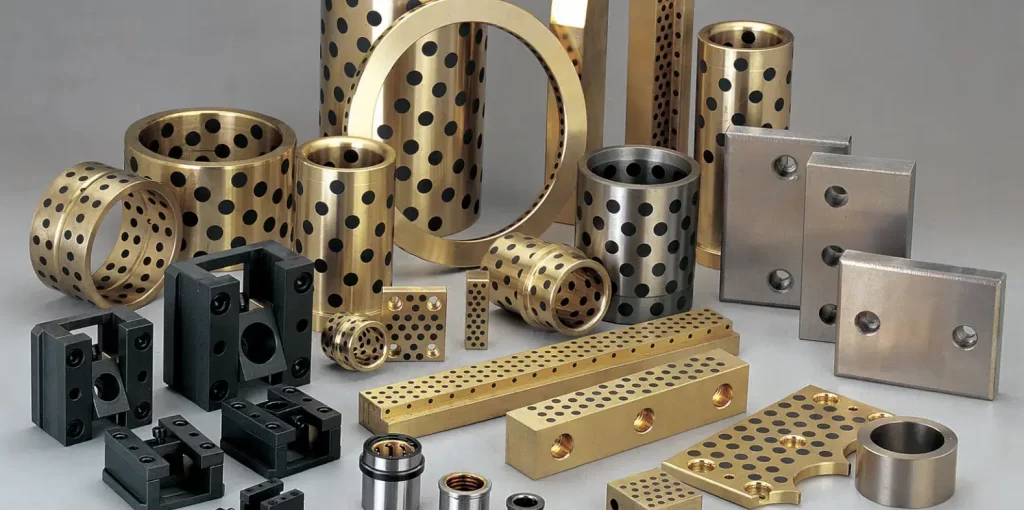
Bronze sleeve bearings, classified as plain bearings or journal bearings, constitute a foundational component within mechanical engineering, providing a critical interface for rotating or linear motion between a shaft and a housing. Functioning as bushings, these components leverage the inherent tribological advantages of copper-based alloys to reduce friction, manage heat dissipation, and absorb operational loads. The extensive utility of bronze sleeve bearings, from automotive powertrains and heavy construction equipment to precision machine tools and marine propulsion systems, is attributable to the versatile metallurgical properties of bronze. Unlike rolling element bearings that rely on point contact, sleeve bearings employ a larger surface contact area, enabling them to support significant radial loads, accommodate shock loading, and offer resistance to mechanical wear
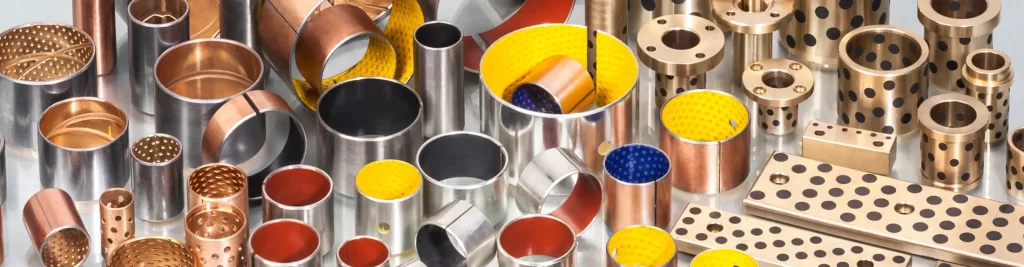
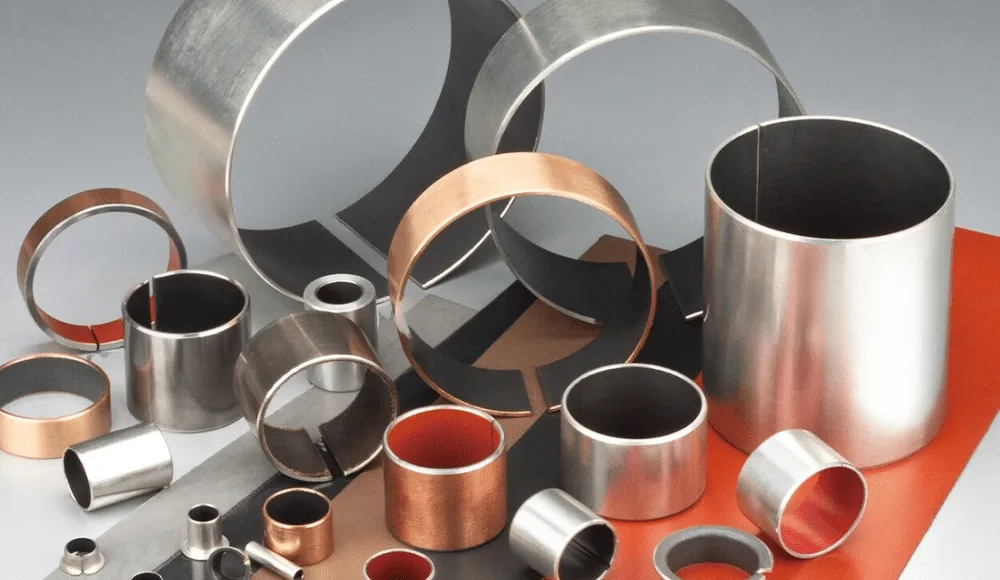
Self-Lubricating Bushings: The Maintenance-Free Solution for Demanding Industrial Applications
Interpretation of Bushing Knowledge

Sleeve Bearing Metallurgy: Material Architectures, Performance Optimization, and Application Engineering

Sleeve bearings, also known as plain bearings, journal bearings, bushings, or sliding bearings, represent one of the most fundamental and widely applied mechanical components in engineering history. Unlike rolling element bearings that utilize balls or rollers to separate moving parts, sleeve bearings employ a sliding action between two conforming surfaces to facilitate linear or rotational movement while reducing friction, absorbing vibration, and supporting loads. The metallurgical composition, material architecture, and manufacturing processes of sleeve bearings directly determine their performance characteristics, service life, and application suitability.

MYWAY Metal Bushing: High-Performance Wear Solutions for Heavy-Duty Machinery
Interpretation of Bushing Knowledge

Thermal Metallurgy in Motion: The Critical Role of Alloy Melting Behavior in Bushing Performance and Reliability

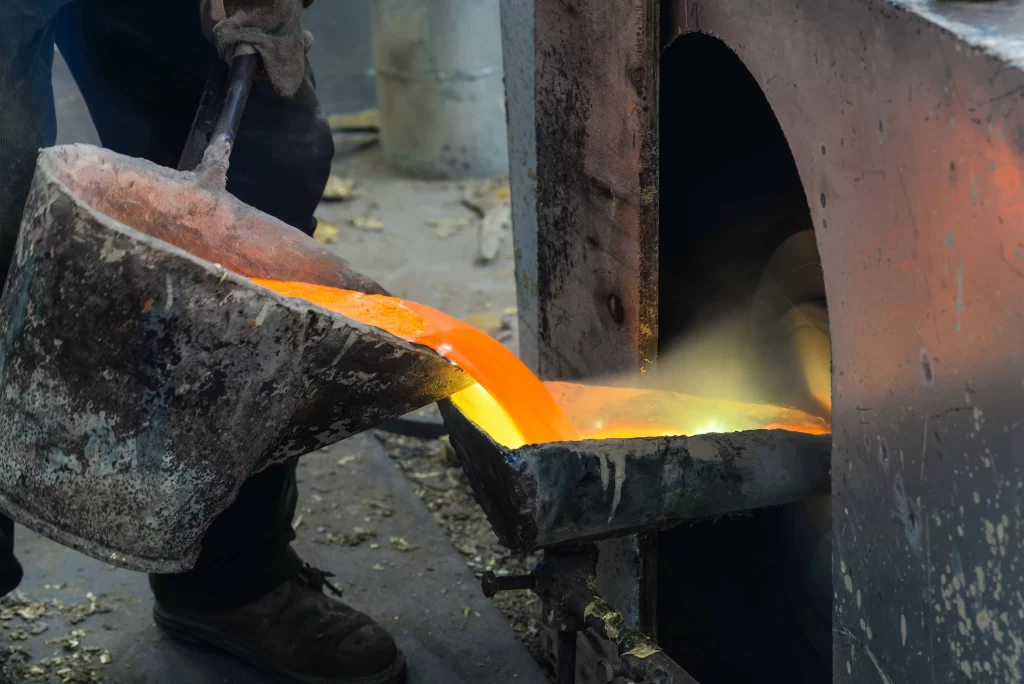
In the demanding environments of heavy industry, the melting characteristics of metallic alloys serve as the fundamental determinant of component longevity. While operational temperatures never intentionally approach the melting threshold, the margin between standard operating conditions and the solidus point of an alloy defines the safety buffer against thermal degradation, friction-induced heat spikes, and catastrophic failure. This principle carries particular significance in the metallurgy sector, where rolling mills, casting equipment, and extrusion presses subject bearings and bushings to extreme loads, elevated temperatures, and continuous operation.

Metallic Bushes: High-Performance Metal Bearings & Self-Lubricating Bush
Interpretation of Bushing Knowledge

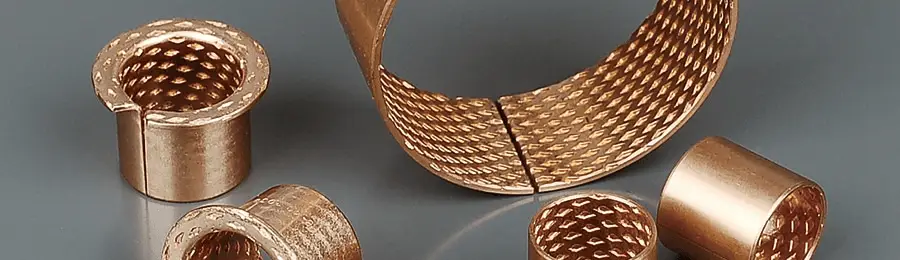
Bronze Bushings: The Engineering Workhorse for Heavy-Duty Industrial Applications

In the realm of mechanical engineering and industrial machinery, few components are as essential yet understated as the bronze bushing. These cylindrical plain bearings serve as the silent backbone of countless mechanical systems, enabling smooth rotational and linear motion while protecting valuable equipment from premature wear and failure. From the towering cranes at construction sites to the precision instruments in aerospace engineering, bronze bushings are indispensable across virtually every industrial sector

Graphite Dry Bushings: The Complete Guide to Self-Lubricating Bearing Technology
Interpretation of Bushing Knowledge

Composition of Bronze: Alloying Elements, Material Properties, and Industrial Applications

The composition of bronze is a subject of ongoing relevance in metallurgy and industrial engineering. While many recognize bronze as an alloy of copper and tin, the precise formulation varies significantly depending on the intended application. Bronze is not a single material but rather a family of copper-based alloys, each tailored for specific mechanical, chemical, or physical requirements.

This document provides a comprehensive analysis of bronze composition, ranging from its historical origins to modern engineering alloys. Emphasis is placed on bronze alloys commonly used in bushing and bearing applications. For organizations seeking high-performance bronze bushings, MYWAY offers custom-engineered solutions backed by decades of manufacturing experience.

MYWAY Bronze & Brass: The Ultimate Guide to Copper Alloys & High-Performance Bushings
Bronze Bushing

Beyond the Shaft: Bronze Bushing Uses in Modern Machinery

If you work with rotating shafts, pivot points, or sliding mechanisms, you rely on bronze bushings—even if you don’t see them. These cylindrical components are the unsung heroes of the mechanical world, quietly reducing friction, absorbing shock, and preventing metal-to-metal contact that would otherwise destroy your equipment.

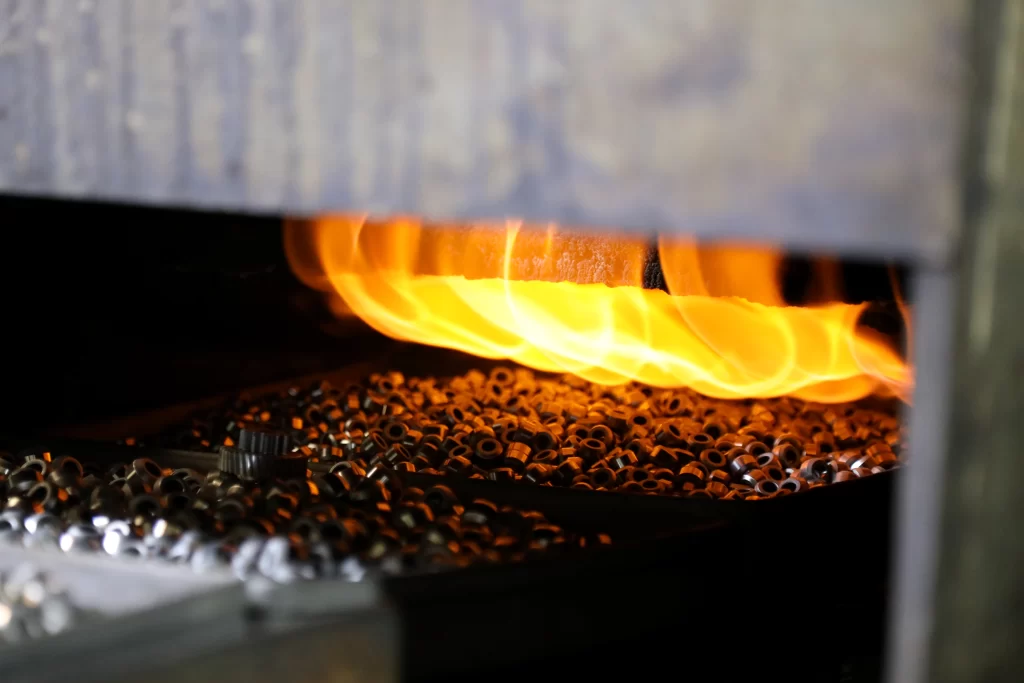
Sintered Bearings: Self-Lubricating Technology That Outlasts Conventional Metals
Interpretation of Bushing Knowledge

Sintered Bearings: Self-Lubricating Technology That Outlasts Conventional Metals

If you’ve ever used a power tool, driven a car, or opened a refrigerator, you’ve relied on a sintered bearing. These unassuming components are the unsung heroes of modern machinery—quietly rotating millions of times without maintenance, surviving in dusty environments where precision bearings would seize, and doing it all at a fraction of the cost of traditional alternatives.

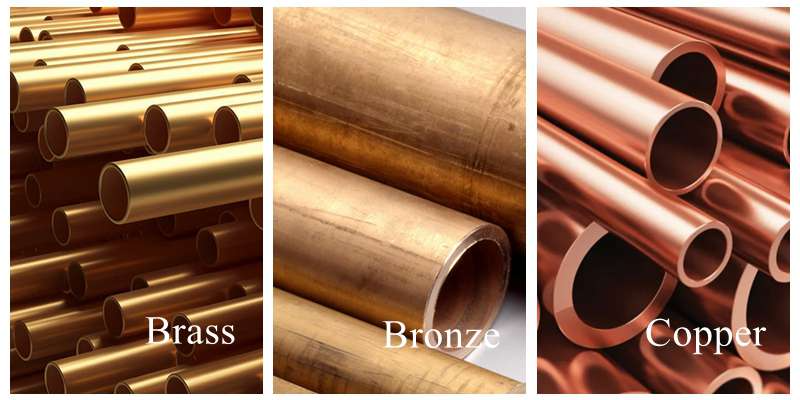
Copper vs. Brass vs. Bronze: The Ultimate Alloy Guide for Bearing Selection
Bronze Bushing

Copper vs. Brass vs. Bronze: The Alloy Guide for Bearing Selection

In the world of bearings and bushings, material selection isn’t just a choice—it’s the foundation of performance, longevity, and cost-efficiency. Among the most trusted families of materials are the copper alloys: Copper, Brass, and Bronze. While often grouped for their reddish hues, these alloys possess distinct “personalities” that make them uniquely suited for specific challenges.

Scroll to Top