
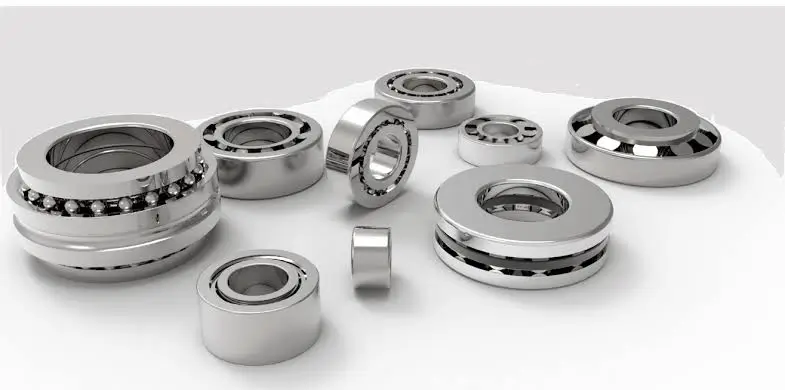
thrust bearing

Babbitt Bearing Metallurgy: Material Science, Design Classifications, and Industrial Applications
Interpretation of Bushing Knowledge

Babbitt Bearings: Material Characteristics, Working Mechanism, Classification and Industrial Application Solutions

Rolling bearings occupy dominant market share in general machinery, yet heavy-duty rotating equipment such as turbines, large generators, industrial pumps and blowers still rely heavily on fluid film sliding bearings lined with Babbitt metal. Babbitt bearings, also known as white metal bearings, represent a core type of plain bearing defined by lining material rather than structural form. Since Isaac Babbitt invented Babbitt alloy in 1839, this soft bearing alloy has been widely adopted in heavy industry for its outstanding conformability, embeddability and anti-galling performance.
Interpretation of Bushing Knowledge

Flanged Bushing Solutions: Engineering Performance for Radial and Axial Load Management

Flanged bushings integrate radial load support, axial thrust management, and precise axial positioning into a single component, delivering engineering efficiency across automotive, industrial, agricultural, and aerospace applications. Available in bronze, composite, and wrapped steel constructions, these bushings offer self-lubricating or maintenance-free options tailored to diverse operating conditions. This article examines their structural functions, material selection, application scenarios, and installation considerations, culminating in MYWAY’s advanced manufacturing capabilities for high-performance flanged bushing solutions.

Rolling Bearings: Definition, Types, Advantages and Limitations
Interpretation of Bushing Knowledge

Rolling Bearings: Definition, Types, Advantages and Limitations

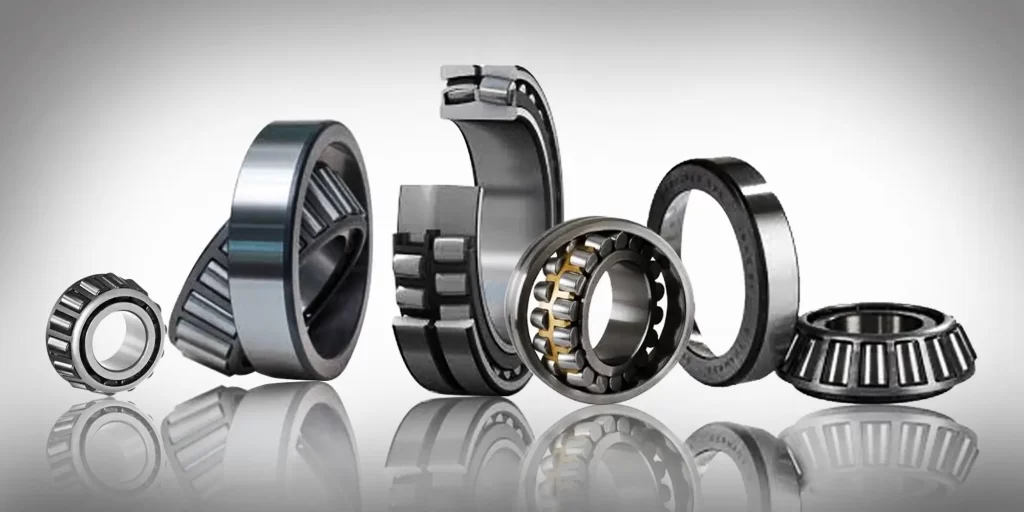
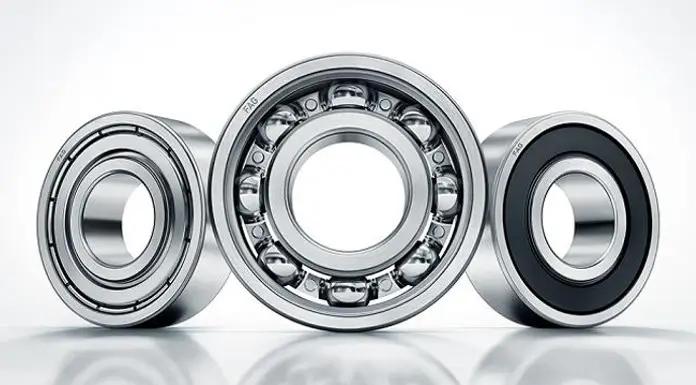
A rolling bearing is a mechanical component that reduces rotational friction between moving parts while supporting loads. Unlike plain bearings (also called sliding bearings or bushings) which rely on direct sliding contact, rolling bearings use rolling elements – balls or rollers – positioned between an inner ring and an outer ring. As the shaft rotates, these rolling elements roll along the raceways, converting sliding friction into rolling friction. Because rolling friction is substantially lower than sliding friction, rolling bearings generate less heat, consume less energy, operate at higher speeds, and achieve longer service lives under proper conditions.

Every rolling bearing typically consists of four basic components: inner ring (mounts onto the rotating shaft), outer ring (fits into the stationary housing), rolling elements (balls or rollers that carry the load), and a cage or retainer (separates the rolling elements and maintains even spacing). Some designs also include seals, shields, or special coatings for contaminated or washdown environments.

what is bearing surface
Interpretation of Bushing Knowledge

What Is a Bearing Surface? Key Roles, Types, Finishes & Coatings for Industrial Bearings

Bearing surface refers to the load-bearing contact area between moving parts in bearings, mainly between rotating shafts and fixed bearing parts.
Specially engineered, it controls friction, disperses loads, holds lubricant and prevents metal friction. Its flatness, finish and coating directly decide bearing performance and durability.
Precision surface design and high-quality bearing parts greatly lower maintenance costs and extend equipment service life.

Scroll to Top