
Recent Posts
The Definitive Resource on Bushing Aluminum: Applications, Advantages, and Engineering Excellence
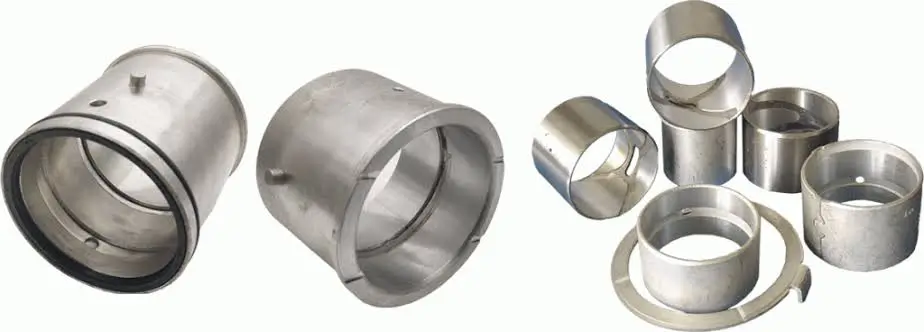
Table of Contents
1. Understanding Bushing Aluminum: A Core Component in Modern Engineering
Aluminum bushings represent a critical category of precision components widely utilized across various industrial sectors. Unlike their steel or bronze counterparts, aluminum bushings offer a distinct combination of lightweight construction and robust performance characteristics that make them indispensable in specific applications. These cylindrical liners are engineered to reduce friction, absorb vibration, and provide bearing surfaces within mechanical assemblies. The adoption of aluminum as a bushing material has grown significantly, driven by the demand for weight reduction in automotive, aerospace, and marine applications. In fluid systems, aluminum bushings function as reducing fittings, commonly called inserts, enabling the seamless connection of pipes with different diameters or connection types . Their role extends beyond simple adaptation; they are fundamental to maintaining system integrity and operational efficiency in complex machinery.
2. The Metallurgical Advantages of Aluminum in Bushing Design
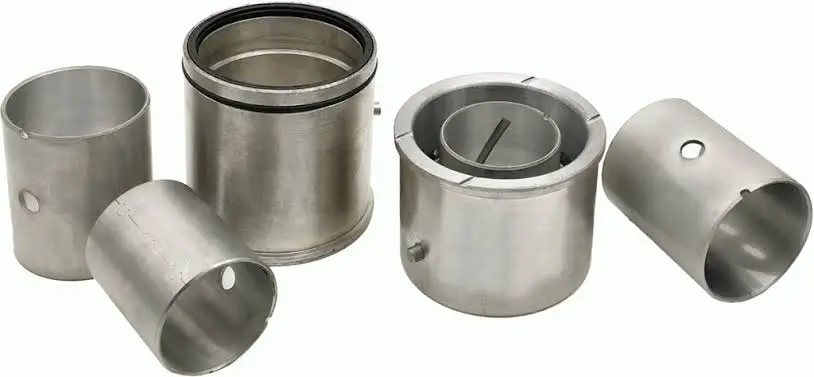
The selection of aluminum alloy for bushing manufacturing is underpinned by several intrinsic material properties that offer engineering benefits. Aluminum is naturally corrosion-resistant, a critical attribute for components used in harsh environments, including marine bilge lines, ballast systems, and outdoor piping infrastructure . Specific alloys, such as Aluminum 5086 and 6061, are frequently specified for bushing applications. Aluminum 5086, a high-strength alloy from the 5XXX series with magnesium as the primary alloying element, is particularly valued for its excellent resistance to corrosion in seawater applications and good weldability . Alloy 6061 is commonly specified for structural applications requiring good strength and corrosion resistance . Furthermore, aluminum’s high thermal conductivity makes it a superior alternative to steel in heat transfer applications . The lightweight nature of aluminum reduces the overall mass of assemblies, leading to improved energy efficiency and ease of handling during installation and maintenance.
3. Critical Functional Roles of Aluminum Bushings in Mechanical Systems
Functionally, aluminum bushings are versatile components serving a multitude of roles. In machinery, they act as plain bearings, facilitating smooth rotational or linear motion while mitigating wear between moving parts. In piping and fluid handling, a bushing serves a distinct purpose as a reducer, joining a female larger pipe to a male smaller pipe . This is achieved through threaded connections, such as male and female National Pipe Taper (NPT) threads, which create a tight mechanical seal essential for preventing leaks in compressed air, oil, and non-potable water systems . In the automotive sector, solid aluminum bushings are employed to replace rubber bushings in suspension and steering components to enhance driver feedback and steering response by eliminating the deflection inherent in elastomeric materials . This direct transfer of motion ensures predictable handling characteristics, a critical requirement for high-performance vehicles.
4. Industrial Applications: From Piping Networks to Heavy Machinery
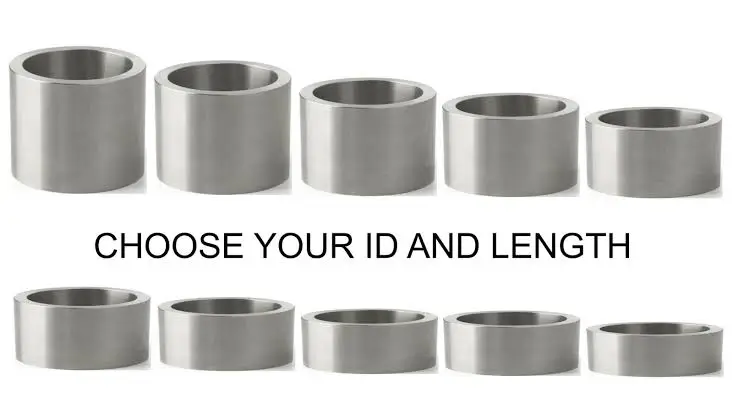
The application spectrum for aluminum bushings is broad and diverse, encompassing fluid power systems, structural frameworks, and high-load industrial equipment. In the metallurgy industry, bushings are essential components in heavy-duty equipment subjected to extreme pressures and continuous operation. They are found in cold rolling mills, hot rolling mills, calendering equipment, and aluminum profile extrusion presses . The ability of these bushings to withstand high loads and minimize wear is vital for reducing downtime and extending maintenance intervals. In fluid systems, aluminum hex bushings are standard Class 150 fittings, frequently used in compressed air systems, hydraulic lines, and fuel lines where corrosion resistance and weight are paramount . Their application extends to rack and railing systems where durability and long-term reliability are required.
5. The Precision Manufacturing Process of Quality Aluminum Bushings
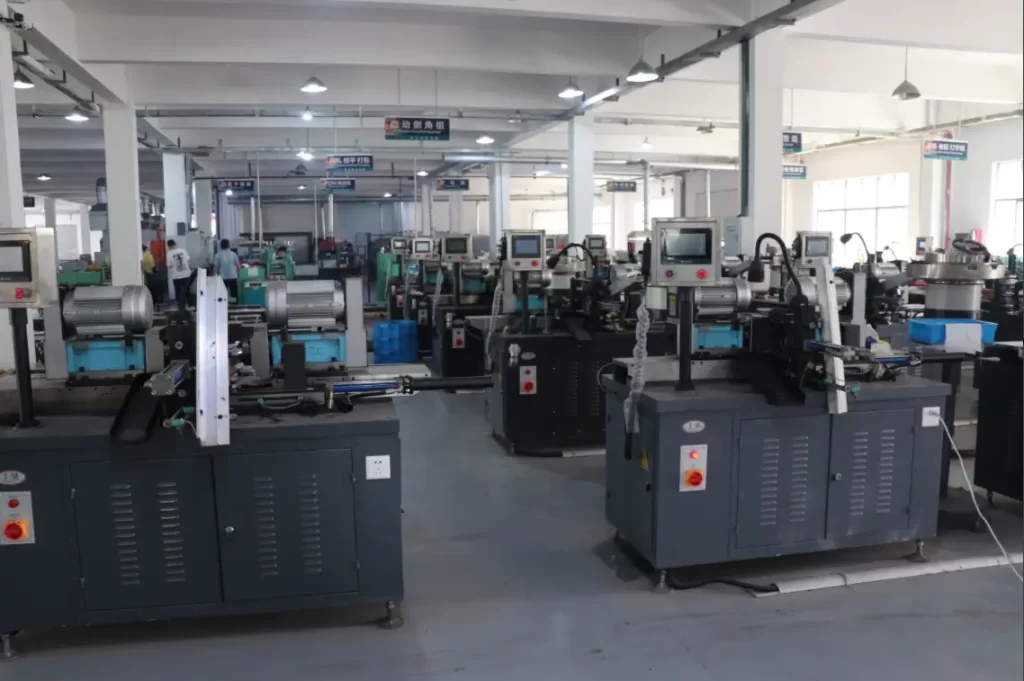
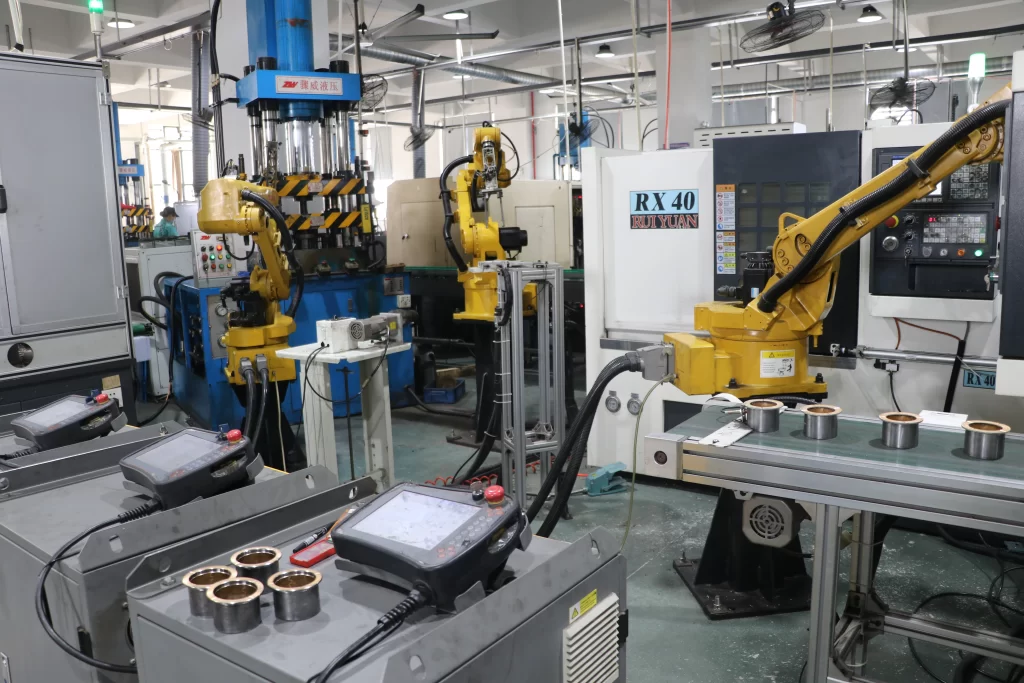
The production of high-performance aluminum bushings demands precision engineering and strict quality control. The manufacturing process often involves advanced techniques such as Computer Numerical Control (CNC) machining to ensure dimensional accuracy and tight tolerances . Surface treatments are frequently applied to enhance specific properties. For example, plastic coatings can be applied to the external cylindrical surfaces of bushings to reduce friction, improve corrosion resistance, or provide dielectric insulation . In demanding applications like rolling mills, manufacturers engineer bushings with specialized coatings such as PTFE (polytetrafluoroethylene) to provide self-lubricating properties. This reduces friction without the need for external lubrication, a significant advantage in high-load, low-speed environments where maintenance is difficult.
6. Installation Considerations and Best Practices
Proper installation is paramount to the performance and longevity of aluminum bushings. The method of installation must be carefully controlled to prevent distortion. For precision bushings, the use of an arbor press is often recommended over hydraulic presses or hammer-driven drivers, as the latter can distort the bushing and cause fitment issues . In fluid systems, threaded aluminum bushings are typically installed using sealants or PTFE tape on the male threads to ensure a leak-proof seal . For interference fit applications, material compatibility and thermal expansion coefficients must be carefully considered. When an aluminum bushing is installed into a housing of a different material—such as an aluminum bushing in a bronze or steel component—mismatched thermal expansion can lead to loosening at elevated temperatures or excessive stress at low temperatures
7. Synergy with Other Materials: Bronze and Zinc Alloys
While aluminum offers distinct advantages, engineers often evaluate it alongside other materials like bronze or specialized zinc alloys to optimize performance for specific conditions. Bronze bushings are frequently preferred in applications involving saltwater exposure if galvanic corrosion with an aluminum housing is a concern, although aluminum alloys like 5086 are specifically formulated to mitigate this risk . Conversely, high-aluminum zinc alloys, such as ZA-12 and ZA-27, have emerged as cost-effective alternatives to bronze for low-speed, medium-temperature bearing applications, offering natural lubricity and high hardness at a lower cost per unit volume . The choice between aluminum, bronze, and these advanced zinc alloys depends on factors like load, speed, temperature, environmental corrosion risk, and cost. Proper material selection is crucial, as an aluminum-on-aluminum interface might gall under high friction, often leading to pairing aluminum with a harder bushing material
8. Durability and Maintenance: Extending Component Lifespan
The durability of an aluminum bushing is influenced by operational conditions and maintenance practices. While aluminum bushings generally have favorable wear characteristics, they can be vulnerable under specific conditions, such as moments of low or no lubrication, as seen in automotive transmission stator shafts. Under these conditions, the bushings are prone to scoring and premature failure . Upgrading to engineered replacement bushings with improved materials can restore normal operation and extend system life. In industrial settings, the use of self-lubricating coatings such as PTFE on aluminum bushings significantly reduces friction and wear, allowing for longer maintenance intervals and lower operating costs . Predictive maintenance schedules that include regular inspection of bushings for signs of wear or deformation are integral to ensuring the reliability of critical equipment.
9. Why MYWAY Bushings Are the Premier Choice
When reliability is non-negotiable, MYWAY Bushing Factory stands as a distinguished manufacturer of high-performance industrial bushings and wear plates. MYWAY’s commitment to engineering excellence is evident in their rigorous manufacturing processes, which include controlled sintering techniques and stringent quality checks. Their bushings are specifically designed to perform under extreme pressures, high loads, and continuous operation in the most demanding environments, such as cold and hot rolling mills . The integration of PTFE-coated and self-lubricating technologies into their product line ensures reduced friction, minimized wear, and extended maintenance intervals, directly contributing to operational efficiency and cost savings.
MYWAY has earned the trust of industry leaders, including China First Heavy Industries Group and Taiyuan Heavy Industry Co., Ltd., proving their capability to deliver components that meet the highest standards of precision and durability . By choosing MYWAY bushings, clients are not just purchasing a component; they are investing in a promise of endurance and performance, backed by a manufacturer that understands the critical role of every part in their machinery. Contact MYWAY today to discuss how their bushing solutions can enhance the longevity and reliability of your equipment.
FAQ Section
Q: What is the primary advantage of using aluminum bushings in piping systems?
Aluminum bushings are prized for their lightweight nature and excellent corrosion resistance, making them a superior alternative to steel or copper in applications involving non-potable water, air, and oil .
Q: Why is Aluminum 5086 a popular choice for bushing materials?
Aluminum 5086 belongs to the 5XXX series of alloys. It is a high-strength alloy known for its exceptional corrosion resistance, particularly in marine or saltwater environments, and it is easy to weld .
Q: What is the role of PTFE coating on industrial bushings?
PTFE (Polytetrafluoroethylene) coating provides self-lubricating properties. This reduces friction and wear without the need for external lubrication, which is critical for extending maintenance intervals in high-load applications like rolling mills .
Q: Can aluminum bushings be used in high-temperature applications?
Yes, but caution is needed. Aluminum has a high coefficient of thermal expansion. In interference fit applications, designers must account for potential loosening or binding at temperature extremes . Socket weld aluminum fittings can also be utilized in high-temperature and high-pressure scenarios .
Q: What distinguishes a solid aluminum bushing from a rubber bushing?
A solid aluminum bushing eliminates the deflection inherent in rubber bushings. This provides a more direct feel, improves feedback, and reduces unpredictable movement, particularly in automotive steering and suspension systems
100000+ Types of Bushings – Contact Us for Details