
Recent Posts
The Definitive Guide to Bronze Material: Composition, Properties, and Industrial Applications
Introduction
The global sliding bearing market, valued at USD 1.41 billion in 2025, is projected to expand at a CAGR of 6.7% to reach USD 2.53 billion by 2034 Within this growing landscape, bronze material remains the cornerstone of high-performance bearing and bushing engineering. Engineers and procurement specialists who comprehend the technical nuances of bronze alloys gain a decisive advantage in specifying components that maximize operational longevity while minimizing total cost of ownership.
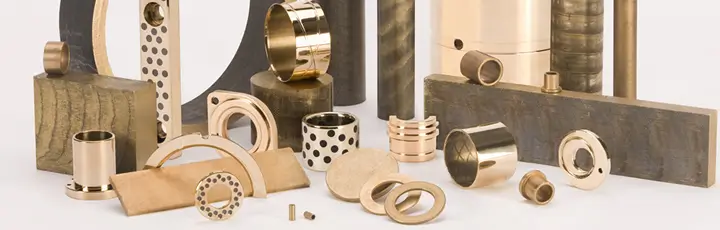
Table of Contents
1. Bronze Material Composition: The Foundation of Performance
Bronze material fundamentally constitutes a copper-based alloy, with tin serving as the principal alloying element to enhance strength and wear resistance. The simplest bronze formulation blends copper with small amounts of tin. Tin increases hardness, rendering bronze significantly more resistant to wear than pure copper. Furthermore, bronze exhibits exceptional corrosion resistance, making it suitable for boilers, pumps, water wheels, marine components, and electrical parts.
Modern bronze compositions typically range from 70% to 95% copper by weight, with the remaining balance comprising tin and optional secondary alloying elements such as aluminum, manganese, silicon, nickel, or zinc. The density of bronze measures approximately 8.8 g/cm³, roughly 10% higher than steel, providing inherent structural weight and stability in load-bearing applications.
Beyond the copper-tin binary system, modern bronze material encompasses diverse compositional variants engineered to meet stringent performance requirements across automotive, aerospace, marine, and precision bearing applications. The incorporation of secondary elements profoundly influences physiochemical properties including thermal conductivity, electrical conductivity, stiffness, ductility, melting point, and machinability.
Bronze material forms a natural protective layer, known as patina, on its surface. This self-forming barrier maintains corrosion resistance without requiring additional coatings or surface treatments, differentiating bronze from materials that degrade upon surface oxidation.
2. Classification of Bronze Alloys for Industrial Applications
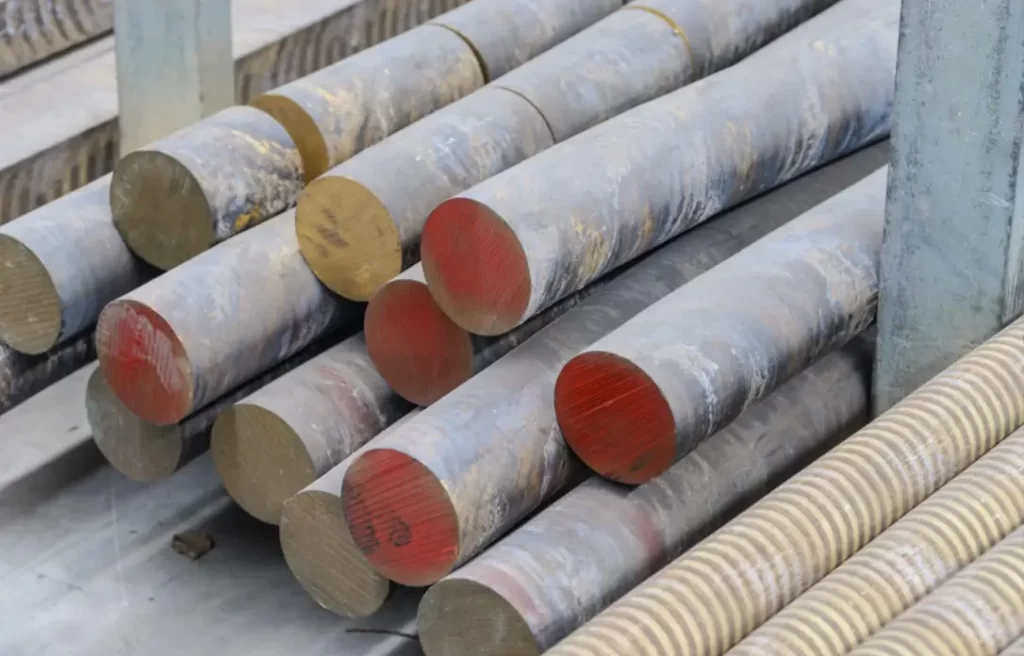
Understanding the distinctions among bronze alloy families is essential for selecting the correct material for specific bushing and bearing requirements.
2.1 Phosphor Bronze: The Bearing Champion
Phosphor bronze introduces a small amount of phosphorus into the copper-tin matrix. The phosphorus acts as a deoxidizing agent while enhancing hardness and strength–. Classical tin bronze formulations exhibit copper content between 80% and 95%, with tin concentrations ranging from 5% to 20%.
Phosphor bronze has found extensive use in mechanical engineering across pump plungers, valves, bushes of bearings, and generally for purposes where a hard, strong metal is required–. Typical applications for phosphor bronze include bearings, bushings, gears, pinions, shafts, thrust washers, and valve parts.
A notable variant, PB104 (wrought phosphor bronze, UNS C52100), provides exceptional bearing properties in severe operating conditions. Its high tin content (8%) combined with phosphorus addition ensures superior wear resistance, fatigue strength, and corrosion resistance surpassing ordinary phosphor bronzes and gun metal. This alloy serves offshore and marine applications including fasteners, nuts, bolts, thrust washers, lock washers, pinions, bearings, bushes, and connecting rods, alongside automotive heavy-duty bearings, bushes, and gears.
2.2 Aluminum Bronze: Strength Under Extreme Conditions
Aluminum bronze substitutes aluminum for tin, typically containing 10–16% aluminum alongside iron (1–5%), manganese (1–5%), and cobalt (1–5%). One preferred composition specifies 14.5–15.2% aluminum, 4–5% iron, 1.8–2.3% manganese, and 1.8–2.3% cobalt, yielding uniform Brinell hardness of 380–420 across the material cross-section. This homogeneous hardness distribution ensures consistent bearing performance in engine construction applications.
Aluminum bronze materials are primarily applicable in the marine industry, owing to their resistance to corrosion in seawater and resistance to marine organisms. Bushings and bearings represent core applications within this sector–. Beyond marine environments, aluminum bronze serves aerospace landing gear bushings and bearings, valve guides, stems, and seats, as well as corrosion-resistant parts including wear rings, machine tool parts, worm wheels, and guides.
AMPCO 22 aluminum bronze delivers high mechanical strength and toughness, excellent wear resistance, corrosion resistance in marine and industrial environments, and good sliding properties. Applications encompass bushings and bearings, heavy-duty gears and worm wheels, valve seats and guides, pump components and rods, as well as wear strips and plates.
For engineers designing components for seawater exposure, high-load conditions, or abrasive environments, aluminum bronze frequently represents the optimal material selection, outperforming both standard tin bronze and competing alloys.
2.3 High-Leaded Tin Bronze: The Self-Lubricating Solution
C93200 bearing bronze, also known as SAE 660 bronze, contains approximately 83% copper, 7% tin, and 7% lead, along with small amounts of zinc and nickel. The high lead content provides excellent self-lubricating properties, making C93200 bronze ideal for applications where continuous lubrication is difficult or impossible. This material conforms to ASTM B505 and ASTM B27 standards for continuous cast bronze bearing alloys.
The material’s embeddability permits dirt and debris to be embedded into the bearing surface, preventing damage to shafts and rotating components. The conformability characteristics enable the bronze to adapt to minor misalignments and shaft deflections, ensuring smooth operation even under less-than-ideal conditions.
High-leaded tin bronze finds application in heavy machinery parts fabrication due to its high durability, corrosion resistance, friction resistance, and weather-resistant properties
3. Manufacturing Methodologies for Bronze Components
3.1 Centrifugal Casting
Centrifugal casting represents a premier manufacturing method for bronze bearings and bushings. This technique distributes and refines molten material within a rotating mold. High centrifugal force levels press the molten material against the mold wall, creating a dense tubular product.
Centrifugal casting enables the production of elements with high surface quality while reducing batch material consumption and, consequently, lowering unitary casting costs. Comparison of sand-cast and centrifugally cast bronzes consistently demonstrates the advantages of the latter, particularly regarding density, structural integrity, and mechanical property uniformity.
3.2 Sand Casting
Sand casting employs sand to create a mold into which liquid metal is poured. Sand-cast bronze parts offer high performance at an affordable price point. The process proves cost-effective, especially for small quantities, due to low tooling costs.
3.3 Continuous Casting and CNC Machining
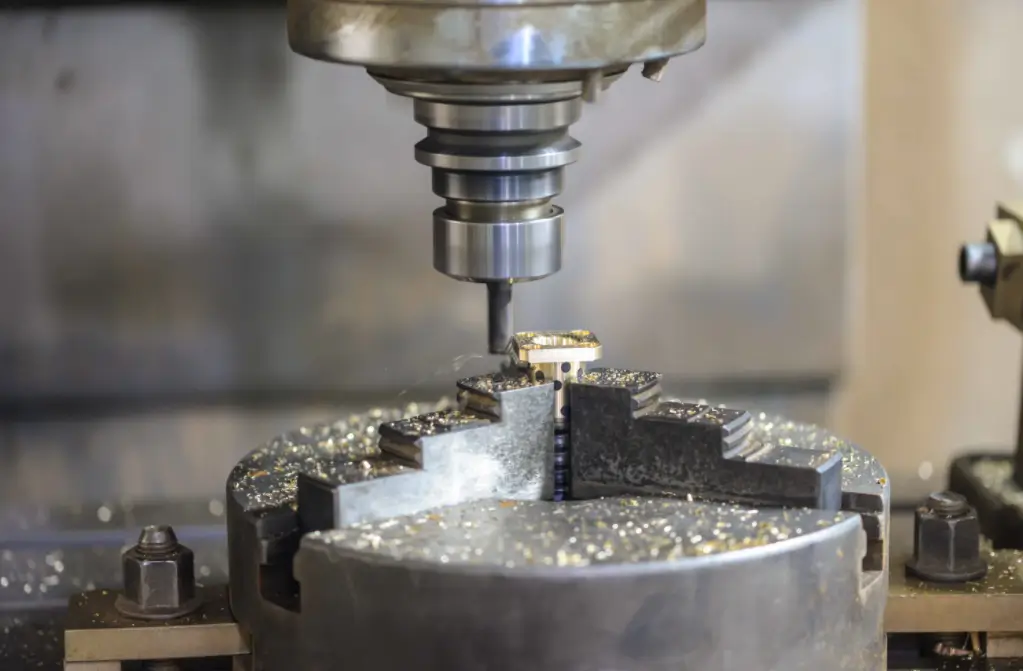
Horizontal continuous casting and extrusion produce bronze bars, rods, and tubes with consistent mechanical properties and dimensional accuracy. Advanced CNC machining capabilities enable the production of custom bronze parts with exceptional precision and tight tolerances down to ±0.005mm
4. Bronze Bushing Applications Across Industries
4.1 Automotive Sector
The global automotive bushing technologies market was valued at USD 166.05 billion in 2024 and is poised to grow to USD 282.92 billion by 2033, at a CAGR of 6.1%. This growth is driven by rising electric and hybrid vehicle production, heightened emphasis on noise and vibration control, and increasing demand from high-performance, SUV, and luxury segments.
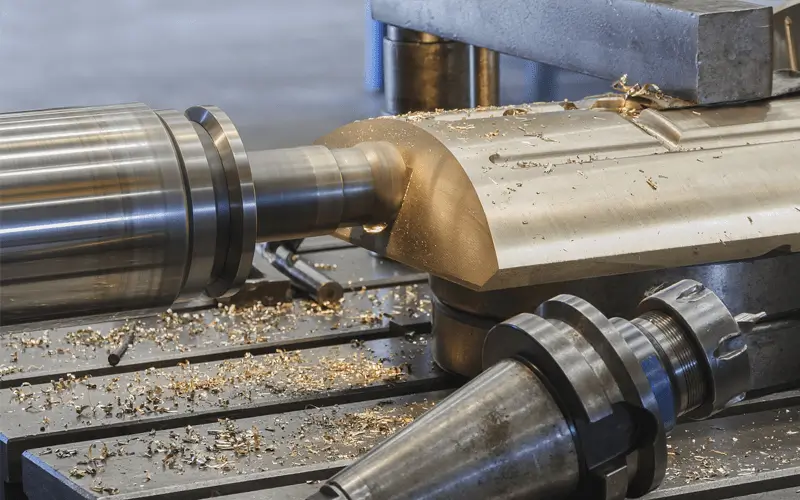
Bronze bushings serve heavy-duty bearings in automotive applications including driving pinions, axles, hinges, engine valve guides, valve seats, and suspension components–. Phosphor bronze bushes withstand both axial and radial loads, making them suitable for agricultural machinery and automotive components.
4.2 Marine Engineering
Bronze material’s resistance to saltwater corrosion makes it indispensable for ship components including propellers, bearings, propeller hubs, worm gears, shafts, and sleeves. Nickel aluminum bronze alloys serve bushings, bearings, wear plates, and hydraulic valve components in marine settings.
4.3 Industrial Machinery
Industrial machinery applications include pumps, motors, compressors, turbines, conveyors, agricultural machinery, press guide bushes, chemical hardware, pump components, heavy machinery bearings, pump bearings, and compressor bearings. The global linear sleeve bearings market—dominated by bronze materials—was valued at approximately USD 2.8 billion in 2024 and is anticipated to reach USD 4.2 billion by 2033, growing at a CAGR of 4.7%.
4.4 Aerospace and Defense
Aerospace applications critically depend on bronze material due to its resistance to wear and corrosion. Aluminum bronze serves aircraft bearings and bushings, pump and ship shafts, valve guides, spindles, seats, and machine tool parts and wear rings. Bronze components for aerospace must meet rigorous safety and performance standards, including military specifications such as MIL-B-13501 for bushings
5. Bronze Material Selection: Advantages Over Alternative Materials
5.1 Bronze vs. Brass
Brass, an alloy of copper and zinc, typically exhibits a Brinell hardness of 70 to 90, while bronze ranges from 60 to 190 HB depending on the alloy. Bronze delivers tensile strength between 240 and 700 MPa, offering substantially higher load capacity (50–98 MPa) compared to brass (≤30 MPa).
While brass may serve in light-duty bushings, its wear resistance and load capacity are typically lower than bronze’s. Brass is susceptible to dezincification—a corrosive process where zinc leaches out—in wet or chemical environments, leaving a porous, weak copper structure behind. Bronze does not exhibit this failure mode.
Although bronze costs more upfront, a bronze bushing can outlast three or four brass replacements. When factoring in labor costs, downtime, and lost production, bronze is frequently the most economical choice.
5.2 Bronze vs. Copper
Pure copper offers excellent electrical and thermal conductivity but suffers from low strength and hardness, making it generally unsuitable for high-stress bushing and bearing applications. Copper’s relatively low strength and hardness render it prone to deformation under heavy loads.
Bronze, by contrast, was specifically developed to overcome these limitations, providing a material significantly harder, stronger, and more wear-resistant than copper while retaining copper’s desirable corrosion resistance and workability.
Engineers specifying materials for rotating machinery or reciprocating equipment should prioritize bronze for any application involving metal-to-metal contact under load.
6. Industry Standards and Quality Assurance
Manufacturing bronze bushings requires compliance with stringent international standards to ensure consistent quality and performance.
6.1 ISO Standards
ISO standards define the chemical composition, mechanical properties, and manufacturing processes for bronze materials used in bushings. ISO 4381 specifies requirements for leaded and unleaded copper-alloy rods and sections, which serve as raw materials for solid bronze turned bushings. ISO 3547 provides specifications for sintered bronze plain bearings.
6.2 ASTM Standards
ASTM B148 covers copper-alloy sand castings, often used as the starting point for manufacturing solid bronze turned bushings. ASTM B505 and ASTM B27 govern continuous cast bronze bearing alloys. ASTM B584 specifies UNS C86200 alloy requirements for bronze bushings in transportation applications.
6.3 Cross-Reference of International Standards
Bronze material specifications exist across multiple international standards systems. A comprehensive cross-reference mapping includes:
| Standard System | Designation |
|---|---|
| China | GBT 1176 |
| ISO | ISO 1338 |
| Germany | DIN 1765 |
| UK | BS 1400 |
| France | NF A53-707 |
| Japan | JIS H5111 |
| USA | ASTM B584 |
7. Market Outlook and Industry Drivers
The global bronze market was valued at USD 9.8 billion in 2024 and is projected to reach USD 11.2 billion by 2030, growing at a CAGR of 2.3%. Several factors fuel this expansion:
Technological Innovations: Modern advancements are enhancing the versatility and performance of bronze. Aluminum bronze provides enhanced resistance to corrosion and high-stress conditions, ideal for aerospace and oil and gas applications. Innovations in casting and forging techniques have enabled manufacturers to produce bronze components with greater precision and lower production costs. Integration with 3D printing enables production of intricate bronze parts previously difficult to manufacture using traditional methods.
Sustainability Focus: The growing emphasis on sustainability has drawn attention to bronze’s recyclability, as the material can be easily melted down and reused without losing its properties.
Infrastructure and Energy Demand: Hydropower, wind yaw and pitch systems, bridge bearings, and water-management gates all rely on plain bearings for slow, heavy, reliable movement. Suppliers offering application engineering, life prediction, and retrofitting from greased to maintenance-free bearings capture both OEM and aftermarket business.
8. Optimizing Bushing Performance with MYWAY
When the demands of modern engineering intersect with the proven reliability of bronze material, MYWAY emerges as the strategic partner for high-performance bushing solutions.
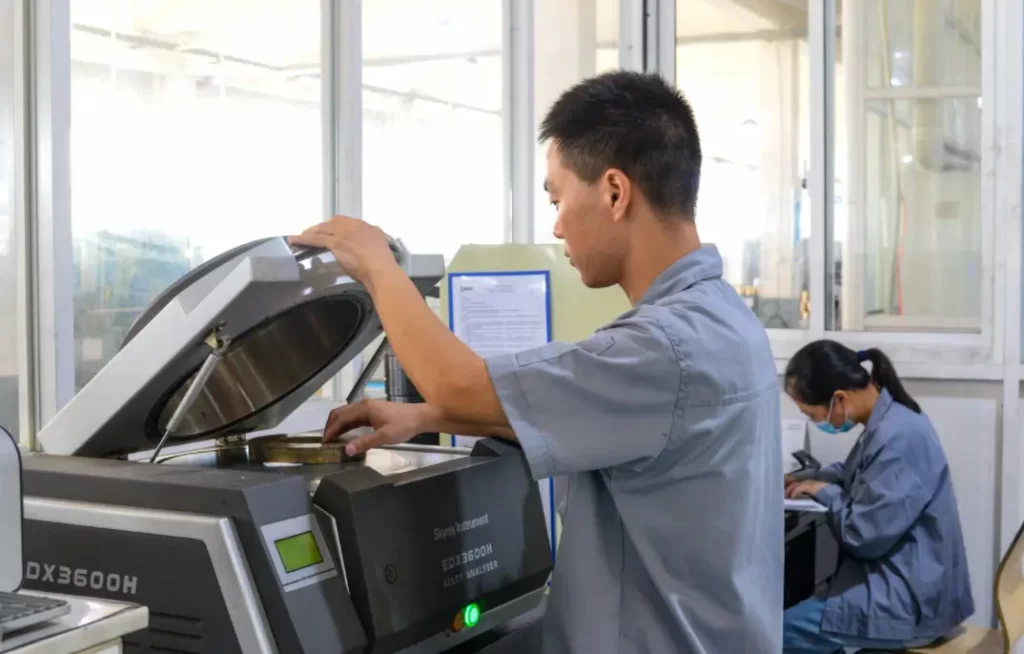
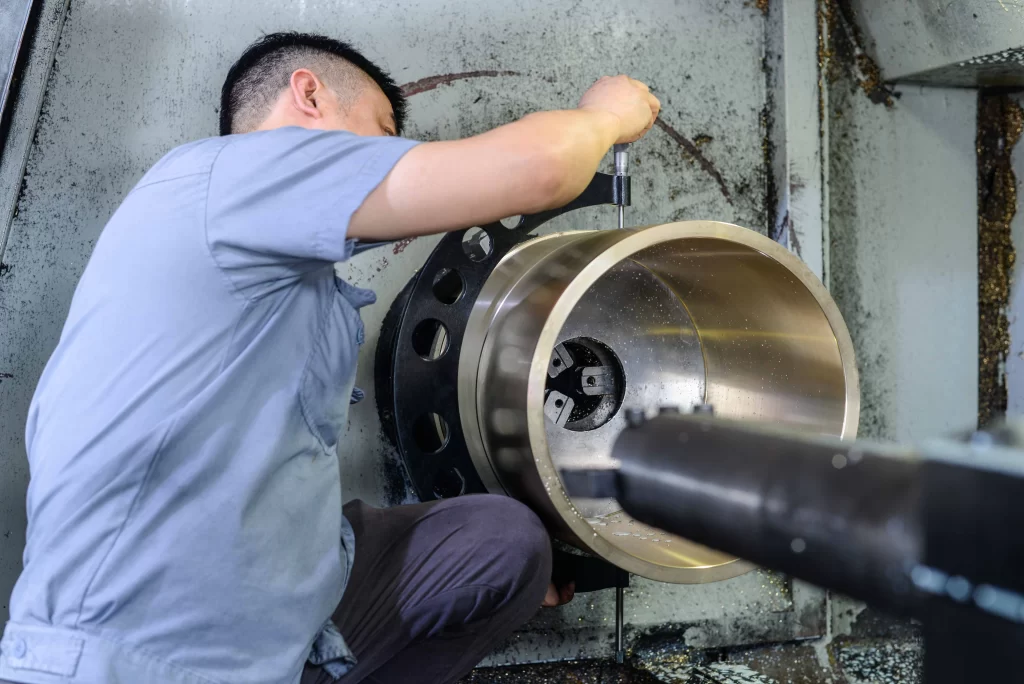
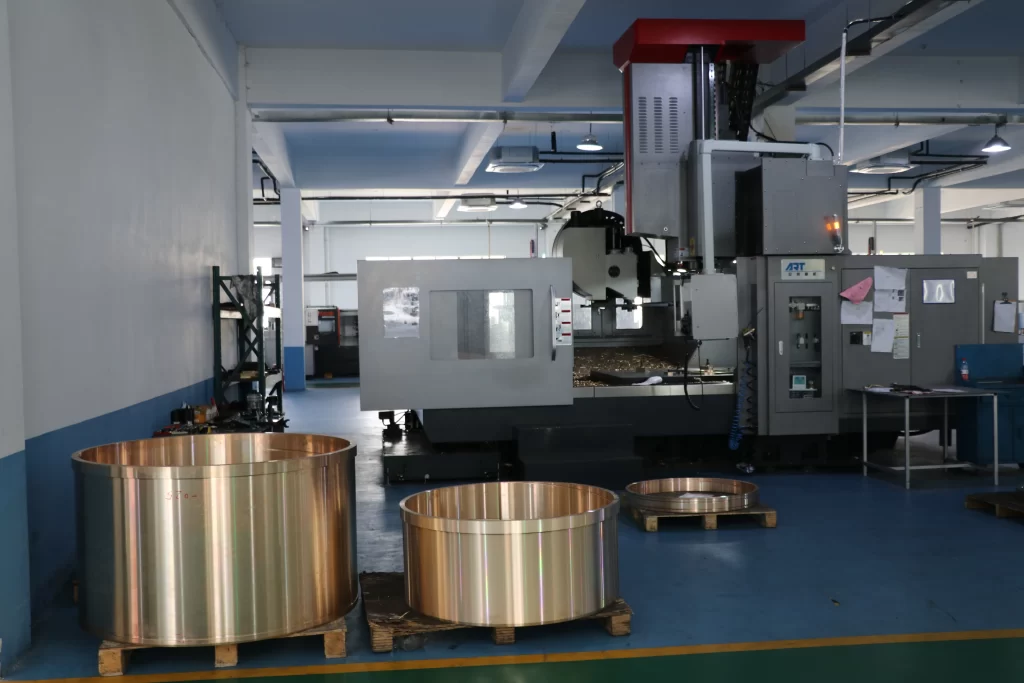
Precision Manufacturing, Technical Excellence. MYWAY leverages advanced centrifugal casting, continuous casting, and CNC machining technologies to produce bronze bushings that consistently meet or exceed ISO, ASTM, and DIN specifications. Each component undergoes rigorous quality control protocols, including chemical composition verification via spectroscopy, mechanical property testing, and dimensional inspection with precision measurement instruments. This ensures that every MYWAY bronze bushing delivers specified load capacity, wear resistance, and dimensional accuracy.
Alloy Expertise Across the Spectrum. MYWAY’s metallurgical engineering team brings deep expertise across the entire bronze alloy portfolio—phosphor bronze for high-strength bearing applications, aluminum bronze for marine and corrosive environments, and high-leaded tin bronze for self-lubricating, heavy-load conditions. For applications requiring custom alloy formulations, MYWAY provides tailored material solutions engineered to specific performance parameters.
Total Cost of Ownership Advantage. MYWAY bronze bushings deliver extended service life, reduced maintenance intervals, and minimized unplanned downtime. In demanding applications requiring continuous operation or difficult access for lubrication, MYWAY’s self-lubricating bronze solutions eliminate routine greasing requirements while maintaining consistent bearing performance.
Global Supply Chain, Responsive Service. MYWAY maintains comprehensive inventory of standard bushing configurations and alloy grades, enabling rapid fulfillment for both OEM production schedules and aftermarket replacement requirements. Custom machining capabilities accommodate unique dimensional specifications, special tolerances, and application-specific design features.
Why Engineers Choose MYWAY. Specification of MYWAY bronze bushings represents an investment in operational reliability. The combination of proven material science, precision manufacturing, and responsive technical support ensures that MYWAY components perform reliably across the most challenging operating conditions—from high-speed rotating equipment to heavy-load reciprocating machinery, from marine propulsion systems to industrial pumps and compressors.
Contact MYWAY today to discuss your bushing requirements. Request a quote, submit technical specifications, or consult with MYWAY’s engineering team to determine the optimal bronze alloy and manufacturing approach for your application.
Frequently Asked Questions (FAQ)
Q1: Which bronze alloy offers the highest wear resistance for bushing applications?
Phosphor bronze, particularly grades with tin content exceeding 8%, delivers superior wear resistance due to the formation of hard intermetallic phases within the copper matrix. For extreme wear conditions, aluminum bronze provides enhanced hardness and sliding properties.
Q2: How does bronze material perform in marine environments?
Aluminum bronze demonstrates excellent resistance to seawater corrosion, cavitation, and marine organism attachment. This alloy family prevents the dezincification failure mode common to brass components in saltwater exposure.
Q3: Can bronze bushings operate without external lubrication?
Yes. High-leaded tin bronze (SAE 660/C93200) contains lead particles that act as solid lubricants, enabling operation under marginal or intermittent lubrication. Sintered bronze bushings can be vacuum-impregnated with oil for maintenance-free service life.
Q4: What manufacturing standards govern MYWAY bronze bushings?
MYWAY bronze bushings comply with ISO 4381, ASTM B505, ASTM B27, SAE J461, and applicable DIN and BS standards. Custom specifications are accommodated upon request.
Q5: Does bronze material require special surface treatment?
No. Bronze naturally develops a protective patina layer that prevents further corrosion. Unlike steel components, bronze bushings do not require plating, anodizing, or coating for corrosion protection in standard operating environments.
Q6: What is the maximum operating temperature for bronze bushings?
Standard tin bronze performs reliably up to 250°C. Aluminum bronze alloys, such as AMPCO 22, sustain operation up to 350°C under appropriate lubrication conditions.
Q7: How does MYWAY ensure dimensional accuracy of custom bronze bushings?
MYWAY employs advanced CNC machining centers capable of achieving tolerances as tight as ±0.005mm, complemented by coordinate measuring machine (CMM) inspection protocols and statistical process control (SPC) methodologies.
Q8: Is bronze material recyclable?
Yes. Bronze is 100% recyclable without degradation of mechanical properties. The material’s recyclability aligns with sustainability initiatives across industrial, automotive, and marine sectors.
Q9: What is the typical lead time for MYWAY custom bronze bushings?
Standard lead times range from 3–5 days for prototype quantities to 7–14 days for production volumes, subject to alloy availability and dimensional complexity.
Q10: How do I request a quotation from MYWAY?
Submit your technical specifications—including alloy grade, dimensional drawings, quantity requirements, and application details—via MYWAY’s official inquiry channel for a comprehensive quotation and engineering consultation.
100000+ Types of Bushings – Contact Us for Details