
Recent Posts
Bronze Gears: The Engineering Backbone of Heavy-Duty Power Transmission
Introduction
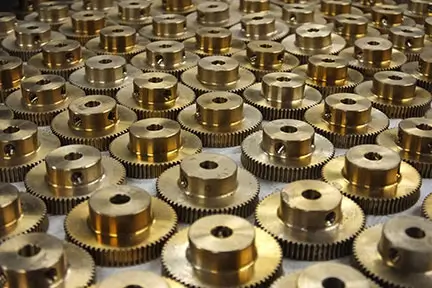
Bronze gears represent one of the most enduring and reliable solutions in mechanical power transmission. While steel gears dominate high-speed, high-load applications, bronze gears occupy a critical niche where low friction, corrosion resistance, and exceptional wear characteristics are paramount. From marine propulsion systems to aerospace landing gear assemblies, bronze gears continue to prove their value across industries that demand uncompromising performance in challenging environments.
This comprehensive guide examines the properties, applications, and manufacturing considerations of bronze gears, while also exploring the essential role of precision bushings—components that ensure these gear systems achieve maximum service life and operational reliability.
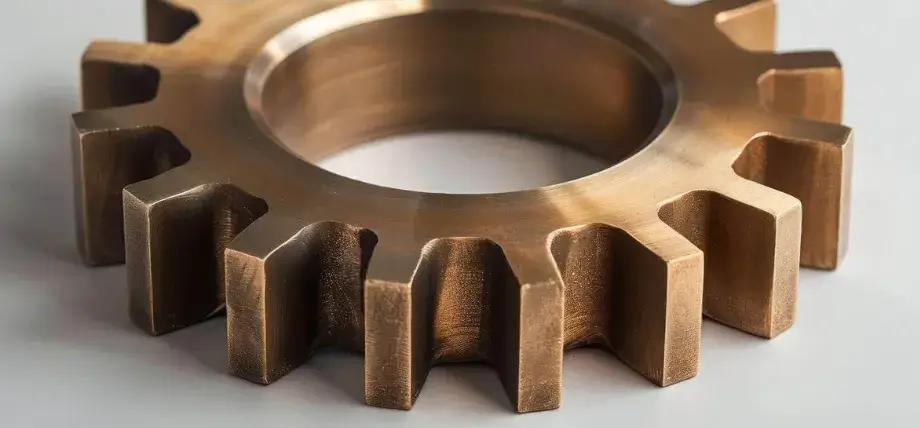
Table of Contents
1. Understanding Bronze Gear Materials and Their Distinctive Properties
Bronze is a copper-based alloy, typically composed of copper and tin, with additional elements introduced to enhance specific mechanical properties. Several types of bronze alloys are used in gearing applications, each selected based on the operating environment, load requirements, and speed conditions.
1.1 Phosphor Bronze (Tin Bronze)
Phosphor bronze represents the classic gear bronze, offering an excellent balance of strength, wear resistance, and corrosion resistance. The addition of phosphorus acts as a deoxidizing agent, improving the alloy’s castability and mechanical properties. C90700 tin bronze, a widely specified gear bronze, contains 86-89% copper, 9-11% tin, and small amounts of zinc and lead, with a hardness range of 90-120 HB and ultimate tensile stress of 50,000 psi. This material is the preferred choice for heavily stressed worm gears and peak-loaded applications.
1.2 Aluminum Bronze
Aluminum bronzes are notable for their high strength-to-weight ratio and superior mechanical properties achievable through heat treatment. These alloys contain 83% minimum copper with 10-11.5% aluminum, 3-5% iron, and 2.5% nickel, delivering hardness in the range of 190 HB and ultimate tensile stress up to 190,000 psi. Aluminum bronzes are selected for applications involving relatively low speeds but high stresses, where fatigue strength must be maintained even in corrosive environments.
1.3 Manganese Bronze
Manganese bronze offers an excellent combination of mechanical properties and is recommended for cast gears, bearings, propellers, and marine hardware. With higher zinc content and additions of manganese, iron, and aluminum, these alloys achieve strength far exceeding that of tin bronzes.
1.4 Silicon Bronze
Silicon bronzes are commonly employed in lightly loaded gearing for electrical applications due to their low cost and non-magnetic properties. The addition of silicon increases strength through work hardening.
1.5 Key Performance Characteristics
Bronze alloys exhibit good ductility, facilitating manufacturing processes including casting, forging, and machining. They resist corrosion particularly well in saltwater and freshwater environments due to the protective oxide layer formed by tin and phosphorus additions. The low coefficient of friction minimizes wear on mating components, while effective heat dissipation ensures prolonged service life for both the gear and its components
2. Critical Applications of Bronze Gears Across Industries
2.1 Worm Gear Applications
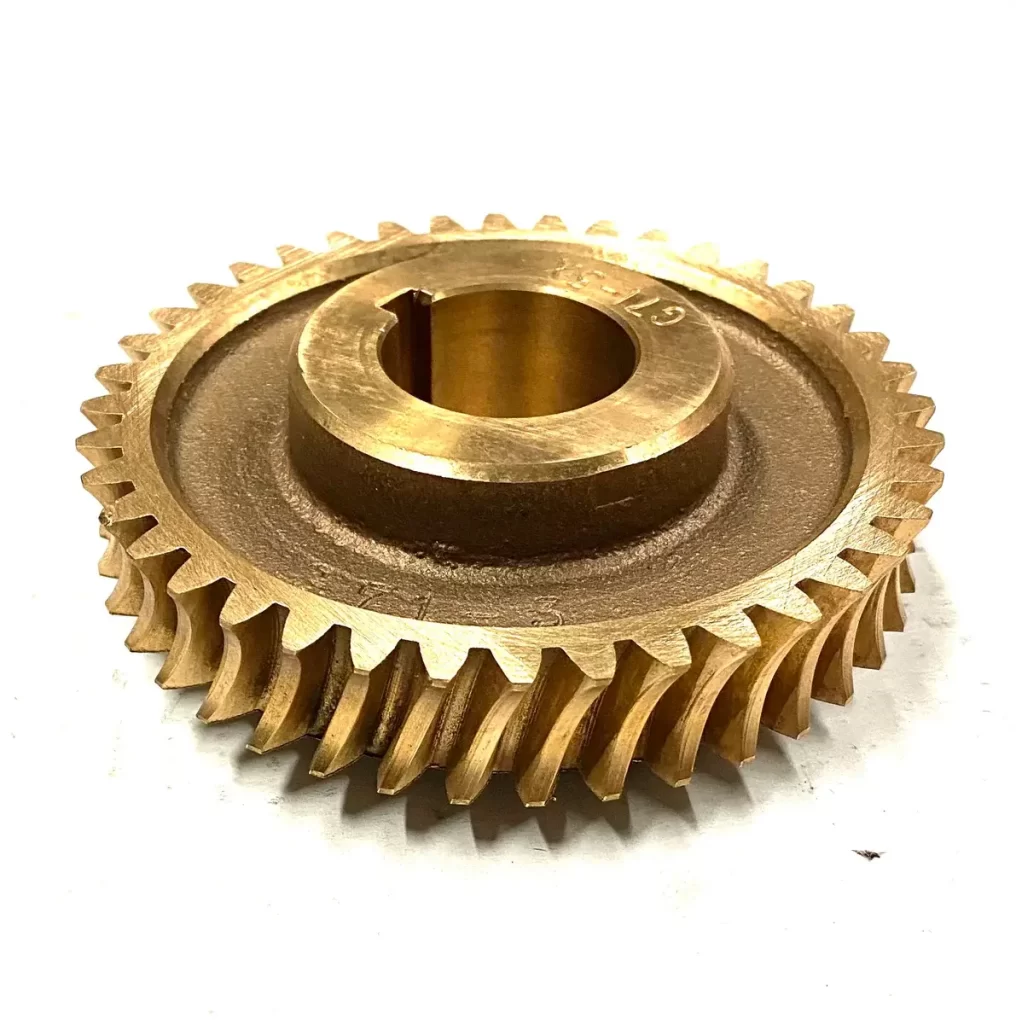
Bronze alloys are predominantly used in worm gear applications, where low-sliding friction, wear resistance, and high-reduction ratios are primary requirements. The worm gear’s inherent design advantage allows it to absorb up to 50% higher shock loads compared to other gear types. Bronze worm gears deliver high torque output, making them ideal for heavily loaded machinery such as elevators, lifts, conveyors, packaging equipment, and movable bridge components. The non-reversible property of worm gears also provides a secondary safety braking function.
2.2 Marine and Offshore Applications
Bronze gears are extensively utilized in marine environments where corrosion resistance is non-negotiable. Bronze bevel gears are particularly useful in propeller systems, steering mechanisms, and winches, offering excellent resistance to harsh marine conditions. Bronze alloys are recommended for cast gears, bearings, propellers, and marine hardware operating in seawater environments. The material’s resistance to dezincification makes it ideal for propeller shafts, rudder shafts, and bearings that must ensure smooth operation in aggressive marine conditions.
2.3 Aerospace and Defense
High-strength nickel-aluminum bronze alloys were originally developed for aircraft specification applications, including gears in retractable landing assemblies and engine spacer bearings. These materials withstand the immense impact and compressive loads experienced during takeoff and landing, making them essential for landing gear bushings, bearings, and gear wheels. The same properties that protect landing gear components make these alloys excellent choices for demanding industrial applications.
2.4 Heavy Industrial Machinery
Bronze gears serve critical functions in steel mills, mining equipment, and heavy-duty industrial machinery. C91700 nickel gear bronze offers high compressive strength for heavy loads, making it suitable for heavy-duty bushings and thrust washers in steel mill and rolling equipment. Aluminum bronze gear components are widely used in applications requiring high strength, corrosion resistance, and wear resistance under high pressure and load.
2.5 Construction and Agricultural Equipment
Bronze gear components are integral to construction and agricultural machinery, where they withstand heavy loads, abrasive conditions, and frequent metal-to-metal contact. The durability and wear resistance of bronze alloys ensure reliable operation in demanding field conditions.
3. Bronze Gear Manufacturing: From Casting to Finished Component
3.1 Casting Methods
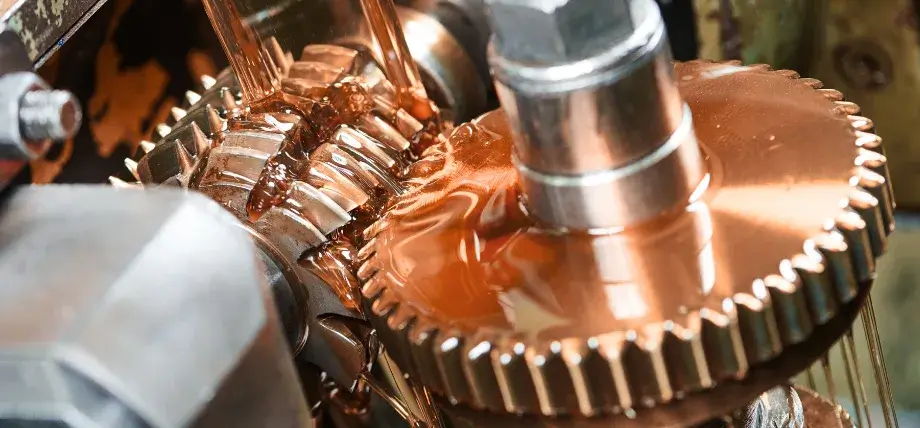
Bronze gears can be produced through multiple casting processes, each offering distinct advantages. Centrifugal casting forces impurities to the center of the casting, producing a dense, homogeneous structure with a fine grain and uniform distribution of alloying elements. This method is preferred for heavily stressed worm gears due to its superior wear and friction qualities. Continuous casting offers reduced machining allowance, higher machining speeds, reduced tool wear, and excellent mechanical properties. Sand casting produces robust gears with excellent dimensional stability.
3.2 Gear Blank Production
Precision bronze gear blanks are manufactured through chill casting, centrifugal casting, and spun-cast methods, with capabilities ranging from 1 inch to 50 inches in diameter and casting weights up to 4,000 pounds–. Composite gear blank technology combines a steel hub with a bronze rim, providing cost savings while maintaining performance–. Complete, fully machined, ready-to-hob bronze gear blanks are delivered to exact customer specifications.
3.3 Machining and Finishing
Bronze alloys exhibit good machinability, allowing for precision gear tooth cutting through hobbing, shaping, and other conventional processes. Modern CNC machining capabilities enable tight tolerances and complex geometries, ensuring perfect fit with mating components
4. The Critical Role of Bushings in Bronze Gear Systems
Bushings serve as the essential interface between rotating shafts and stationary housings, performing functions that are fundamental to gear system longevity and reliability.
4.1 Primary Functions of Gear Bushings
The primary purpose of a bushing is to facilitate smooth rotation of gears while preventing direct metal-to-metal contact between the gear and its housing–. Bushings reduce friction and wear, maintain component alignment, and absorb radial loads. By providing a precisely machined bearing surface, bushings ensure that shafts rotate with minimal resistance and maximum positional accuracy.
4.2 Why Bronze is the Preferred Bushing Material
Bronze bushings offer exceptional wear resistance, good corrosion resistance, and excellent machinability. Bronze alloys like C91700 (nickel gear bronze) provide high compressive strength for heavy loads, making them ideal for heavy-duty applications in steel mills and marine environments. The material’s low friction coefficient against steel shafts, effective heat dissipation, and natural corrosion resistance make bronze the go-to choice for demanding gear bushing applications.
4.3 Self-Lubricating Bronze Bushings
Sintered bronze bushings manufactured through powder metallurgy feature a porous structure that can be vacuum-impregnated with oil. During operation, heat and pressure cause the oil to seep from the pores, creating a lubricating film between the shaft and bushing. When motion ceases, the oil is reabsorbed into the pores. This self-lubricating capability reduces maintenance requirements and extends service life.
4.4 Applications of Bronze Bushings in Gear Systems
Bronze bushings are installed in gear housings and gearboxes, serving as bearing surfaces that allow gear teeth to rotate without direct contact with the housing–. They are critical in automotive transmissions, wind turbine gearboxes, aerospace landing gear assemblies, steel mill equipment, and countless other applications where reliable power transmission is essential
5. MYWAY Bushings: Precision-Engineered Solutions for Demanding Gear Applications
When selecting bushings for bronze gear systems, quality and precision are not negotiable. MYWAY Bushings has established itself as a trusted manufacturer of high-performance bronze bushings, bearings, and custom components serving global industries.
5.1 Uncompromising Manufacturing Precision
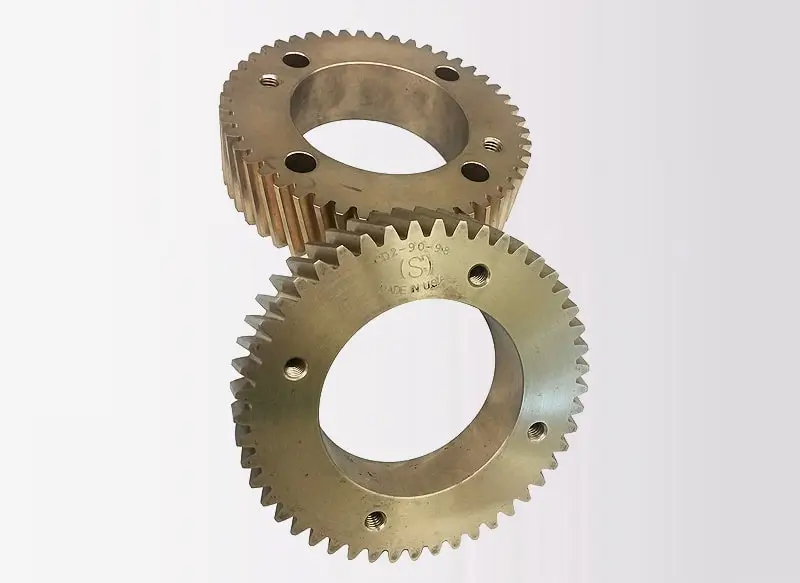
MYWAY utilizes state-of-the-art CNC machining centers to manufacture bushings with extraordinarily tight tolerances, ensuring perfect fit with mating components. Advanced 5-axis CNC capabilities provide unmatched flexibility and accuracy for complex geometries including flanged bushings, split designs, and parts with integrated oil grooves. This commitment to precision reduces vibration, improves alignment, and dramatically extends the service life of gear systems.
5.2 Advanced Material Expertise
MYWAY offers expertise across the full spectrum of high-performance copper alloys. High-grade Cu-Sn alloys, aluminum bronze (C95400 with 3-5% nickel), and phosphor bronze deliver corrosion resistance 1.5 times that of traditional bronze–. Bimetal bushings combine the strength of steel with the wear resistance of bronze, making them perfect for heavy-duty, high-impact applications.
5.3 Proven Performance Across Industries
MYWAY bushings are deployed in construction machinery, agricultural equipment, automotive transmission systems, and heavy industrial applications. Copper alloy gear rings engineered by MYWAY withstand extreme operational stresses in wind turbine applications, contributing to reduced maintenance needs and improved total cost of ownership.
5.4 Custom Engineering Capabilities
As a mature bushing production facility, MYWAY provides various types of bushings perfectly suited for diverse applications, including bronze bushings, self-lubricating bushings (SF-1, JF), and custom-designed components–. MYWAY’s comprehensive approach encompasses design, alloy selection, casting, and machining, delivering complete solutions tailored to specific customer requirements.
6. Frequently Asked Questions (FAQ)
Q1: Why choose bronze gears over steel gears?
Bronze gears offer superior corrosion resistance, lower friction coefficients, and better heat dissipation compared to steel gears. While bronze is softer than steel, its uniform hardness throughout the material ensures predictable wear patterns, often resulting in longer service life in appropriate applications–. Bronze gears are also more forgiving on mating components, reducing wear on steel worms and shafts.
Q2: What are the most common types of bronze used in gears?
The four main types of bronze alloys used in gearing are phosphor bronze (tin bronze), aluminum bronze, manganese bronze, and silicon bronze. Each offers distinct properties suited to specific applications, from heavily stressed worm gears to lightly loaded electrical applications.
Q3: Where are bronze worm gears most commonly applied?
Bronze worm gears are widely used in elevators, lifts, conveyors, packaging equipment, movable bridge components, agricultural machinery, and construction equipment. Their high torque output and non-reversible properties make them ideal for heavy-duty applications requiring controlled, powerful motion.
Q4: How do bushings contribute to gear system performance?
Bushings reduce friction and wear between rotating shafts and stationary housings, maintain critical component alignment, and absorb radial loads. Without proper bushings, metal-to-metal contact would lead to rapid wear, increased vibration, and eventual catastrophic failure.
Q5: What makes bronze the preferred material for gear bushings?
Bronze offers exceptional wear resistance, good corrosion resistance, effective heat dissipation, and a low friction coefficient against steel shafts. Bronze alloys can also be formulated for self-lubricating properties through powder metallurgy and oil impregnation.
Q6: How are bronze gears manufactured?
Bronze gears are produced through centrifugal casting, continuous casting, or sand casting, followed by precision machining and gear tooth cutting through hobbing or shaping processes–. Centrifugal casting is preferred for heavily stressed gears due to its superior density and wear resistance.
Q7: Are bronze gears suitable for marine environments?
Yes, bronze gears are extensively used in marine applications due to their excellent corrosion resistance in saltwater environments–. Bronze bevel gears are commonly found in propeller systems, steering mechanisms, and winches, where they resist both corrosion and wear.
Q8: What industries rely most heavily on bronze gears?
Key industries include marine and offshore, aerospace and defense, steel manufacturing, mining, construction, agriculture, and power generation (particularly wind turbines).
Q9: How does MYWAY ensure bushing quality and precision?
MYWAY employs state-of-the-art CNC machining centers and advanced 5-axis capabilities to achieve extraordinarily tight tolerances. Comprehensive material expertise across high-performance copper alloys ensures the right material is selected for each specific operating environment.
Q10: Can bushings be customized for specific gear applications?
Yes, MYWAY provides custom-engineered bushing solutions including flanged bushings, split designs, parts with integrated oil grooves, and various material compositions tailored to specific load, speed, and environmental conditions
Contact MYWAY for Your Bronze Gear Bushing Requirements
When your gear systems demand the highest levels of precision, durability, and performance, MYWAY Bushings delivers solutions engineered to exceed expectations. From standard bronze bushings to custom-designed components for the most demanding applications, MYWAY combines advanced manufacturing capabilities with deep material science expertise.
Contact MYWAY today to discuss your specific requirements and discover how precision-engineered bushings can extend the service life and improve the performance of your bronze gear systems.
100000+ Types of Bushings – Contact Us for Details