
Recent Posts
Premium Wear Plate: Engineering Longevity for High-Abrasion Industrial Assets
Introduction
In high-wear industrial environments, equipment longevity is not merely a matter of maintenance scheduling—it is a direct determinant of operational profitability. Premium wear plates serve as the critical interface between heavy machinery and the abrasive forces that threaten structural integrity. These engineered components function as sacrificial armor, absorbing the punishment of continuous impact, sliding abrasion, and erosion that would otherwise consume capital equipment at an unsustainable rate .
The wear plates market continues to expand as industries increasingly recognize that initial procurement cost represents only a fraction of total ownership expense . This comprehensive analysis examines the functional characteristics, application scenarios, and selection criteria for premium wear plates, with particular attention to the integration of complementary components such as bushings and liners that complete the wear protection system.
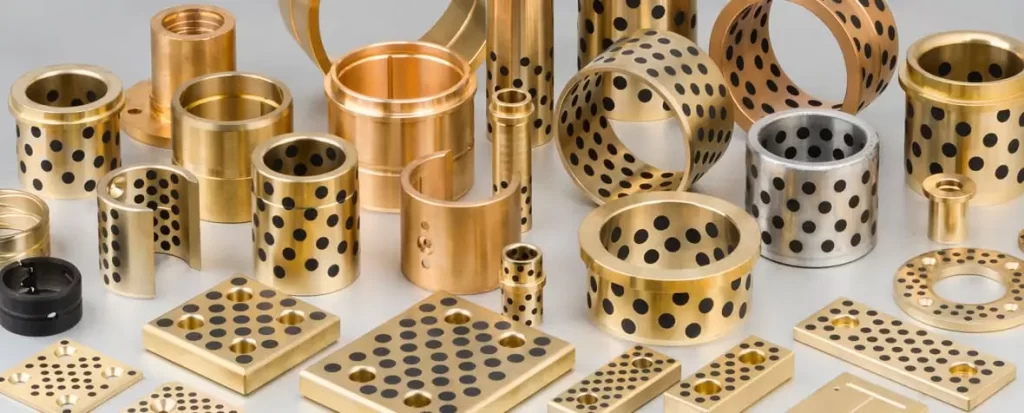
Table of Contents
1. Defining the Premium Wear Plate: Composition and Structural Architecture
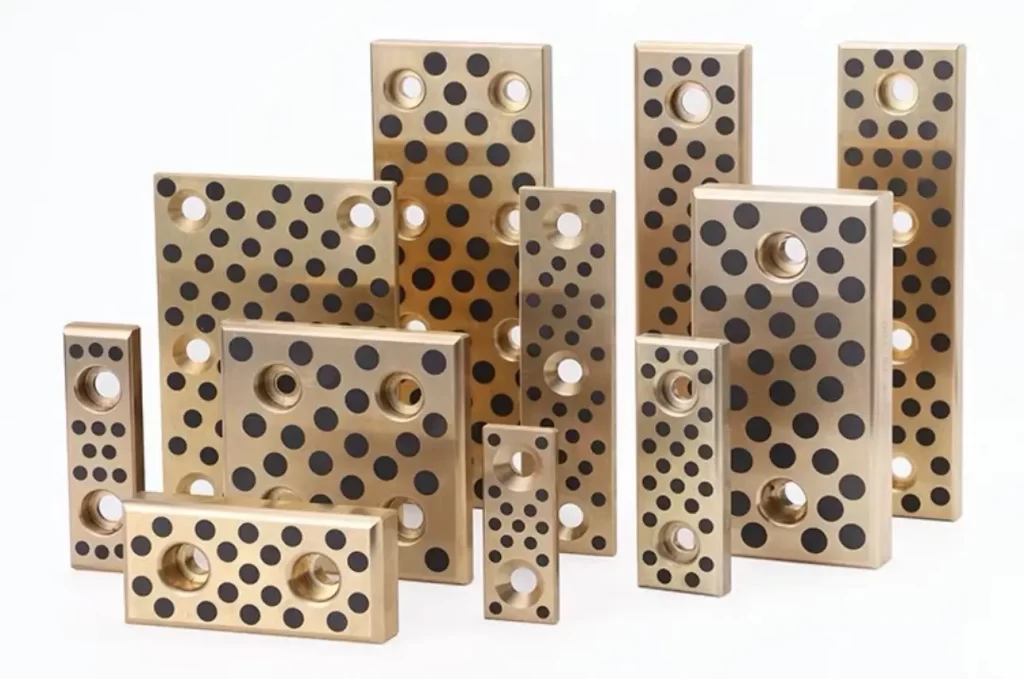
A premium wear plate is a specialized composite material engineered to provide superior resistance to abrasion, impact, and high-temperature degradation. Unlike standard structural steel, these plates feature a dual-layer construction comprising a ductile base material and an exceptionally hard wear-resistant overlay .
Base Layer (Substrate): The foundation typically consists of low-carbon or low-alloy steel that provides toughness, formability, and weldability. This layer absorbs impact energy and prevents catastrophic fracture under shock loading conditions.
Wear-Resistant Overlay: The functional surface is composed of high-hardness alloys—predominantly chromium carbides, augmented with manganese, molybdenum, niobium, nickel, and boron . This metallurgical composition creates carbide structures with microhardness values reaching HV1700–2000, with surface hardness typically ranging from HRC 58 to 62 .
The metallurgical bond between layers is achieved through automated welding processes, resulting in uniform transverse cracking patterns that serve as stress-relief mechanisms during thermal cycling . These characteristic cracks are not defects but intentional design features that accommodate differential thermal expansion between the overlay and substrate.
2. The Functional Imperative: Why Standard Steel Fails
Conventional steel plates, regardless of thickness, cannot withstand sustained abrasive contact in heavy industrial applications. The fundamental limitation lies in the inverse relationship between hardness and ductility—increasing hardness to resist abrasion inevitably reduces toughness, making the material susceptible to brittle fracture .
The Trade-Off Challenge: Hardened wear plates (AR400, AR500) offer improved abrasion resistance but remain vulnerable to impact damage. When subjected to combined sliding abrasion and gouging impact—the typical工况 in mining and aggregate processing—these homogeneous materials often fail prematurely .
The Premium Solution: Clad overlay plates resolve this paradox through functional separation. The hard overlay provides exceptional wear resistance while the ductile substrate absorbs impact energy. This engineered synergy enables performance that significantly outlasts homogeneous wear plate in demanding applications
3. Premium Wear Plate Classification: Matching Material to Application
Premium wear plates are categorized into three primary classes, each engineered for specific operational environments :
General-Purpose Type: Balanced hardness and toughness suitable for moderate abrasion with intermittent impact. Ideal for chute liners, hopper bottoms, and transfer points where wear conditions are predictable.
Impact-Resistant Type: Enhanced substrate ductility and thicker base layers to withstand heavy shock loading. Recommended for crusher feed chutes, truck body liners, and bucket components subjected to large particle impact.
High-Temperature Type: Alloy formulations with enhanced oxidation resistance and hardness retention at elevated temperatures. Functional up to 500°C, suitable for kiln hoods, burner pipes, and boiler duct work
4. Critical Performance Attributes: Beyond Hardness
While hardness remains the most commonly cited metric for wear plate selection, experienced engineers evaluate several additional parameters that collectively determine field performance:
Through-Hardness Consistency: Premium plates maintain uniform hardness throughout the overlay thickness, ensuring consistent wear resistance as the surface gradually erodes. This predictability enables planned maintenance scheduling rather than reactive repairs .
Microstructural Integrity: The orientation of carbide precipitates significantly influences wear behavior. Optimal structures feature carbides oriented perpendicular to the wear surface, maximizing resistance to sliding abrasion .
Impact Toughness: The ability to absorb energy without fracture is quantified through Charpy impact testing. Premium plates balance high hardness with sufficient toughness to withstand the dynamic loading common in mining and construction equipment.
Thermal Stability: High-temperature applications require alloys that maintain hardness and resist oxidation at elevated service temperatures. Chrome-rich compositions provide both wear resistance and oxidation protection.
5. Industry Applications: Where Premium Wear Plates Excel
The deployment of premium wear plates spans multiple heavy industries, each presenting distinct wear mechanisms and performance requirements:
Mining and Quarrying: Feed chutes, transfer points, crusher liners, haul truck bodies, and apron feeders experience continuous abrasion from sharp, hard mineral ores . Premium plates with high carbide content deliver extended service life in these applications.
Cement and Aggregate Processing: Fan blades, deflector plates, roller mill classifiers, and material handling systems face abrasive wear from clinker, slag, and cement raw materials . High-temperature resistance is often required in kiln feed systems.
Steel and Aluminum Production: Sinter plant chutes, ore handling equipment, and mill components operate in high-temperature environments with abrasive materials .
Power Generation: Coal handling systems, exhaust fan blades, boiler ductwork, and burner components require wear protection with high-temperature capability .
Construction and Earthmoving: Excavator buckets, loader liners, and heavy equipment attachment points benefit from impact-resistant wear plate solutions
6. Installation and Integration Methods
Premium wear plates are designed for versatile installation, accommodating various attachment methods to suit specific equipment configurations:
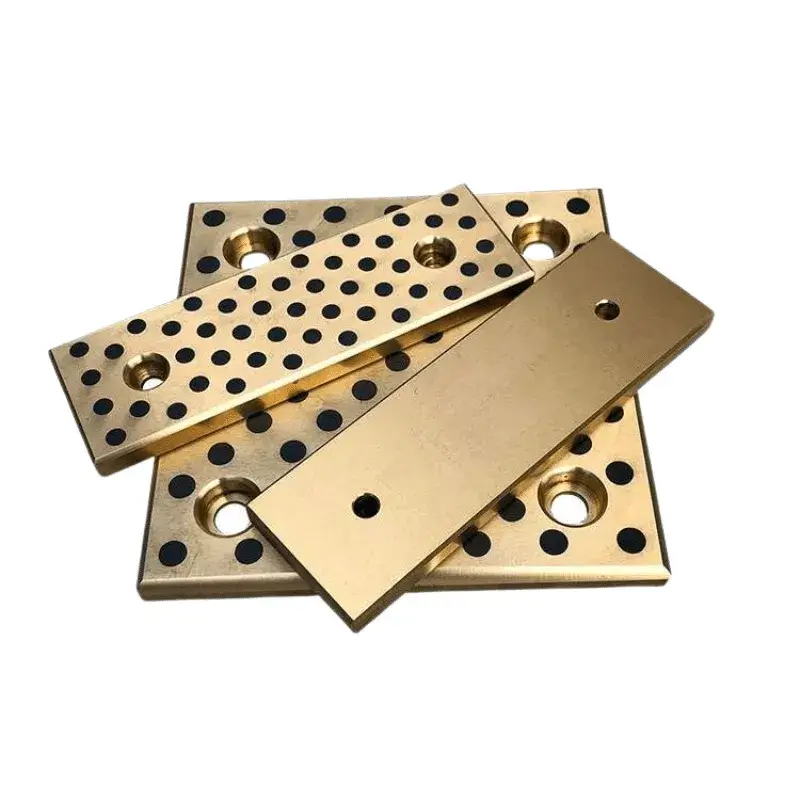
Welded Attachment: Direct welding to the underlying structure provides permanent installation suitable for high-impact applications. Proper welding procedures are essential to maintain structural integrity without degrading the overlay properties.
Bolted Connection: Removable systems facilitate inspection and replacement without specialized equipment. Bolted designs are particularly valued in high-throughput facilities where downtime minimization is critical .
Plug and Spot Welding: Hybrid approaches combine the security of welded attachment with the flexibility of modular installation, particularly useful for curved or irregular surfaces.
Formability Considerations: Premium plates can be formed into curved sections and fabricated into wear-resistant pipe components including elbows, tees, and reducers with minimum diameters as small as DN200
7. Lifecycle Cost Economics: The Premium Value Proposition
The business case for premium wear plates rests on lifecycle cost analysis rather than initial purchase price. Industry data demonstrates that higher-priced wear plates frequently deliver lower total cost through extended service life and reduced maintenance requirements .
Direct Cost Factors:
Material purchase price
Installation labor
Downtime costs during replacement
Production losses from unexpected failures
Indirect Cost Considerations:
Maintenance planning and scheduling
Inventory carrying costs for replacement parts
Equipment damage from worn components
Safety risks from unexpected failures
Performance Metrics: Experienced operations evaluate wear plates based on cost per month of service, cost per ton processed, or cost per shutdown avoided . This perspective consistently favors premium materials that deliver predictable, extended performance.
8. Selection Criteria: Optimizing Wear Plate Specification
Selecting the appropriate premium wear plate requires systematic evaluation of application parameters:
Wear Mechanism Identification: Characterize the primary wear mode—abrasive sliding, gouging impact, erosion from fine particles, or combined mechanisms. Each mode favors specific overlay compositions and hardness levels.
Operating Temperature Range: Verify maximum service temperature and any thermal cycling requirements. Standard chrome carbide overlays maintain stability to approximately 500°C; specialized formulations extend this range .
Particle Characteristics: Size, shape, hardness, and moisture content of the material being handled influence wear severity and pattern.
Equipment Configuration: Geometry, accessibility, and attachment points affect installation methods and plate thickness selection.
Maintenance Strategy: Planned replacement schedules favor materials with predictable wear rates; reactive maintenance environments require maximum single-life durability.
9. Integration with Wear Protection Systems: The Role of Bushings and Liners
Premium wear plates are most effective when integrated into comprehensive wear protection systems that address all vulnerable components. Complementary elements include:
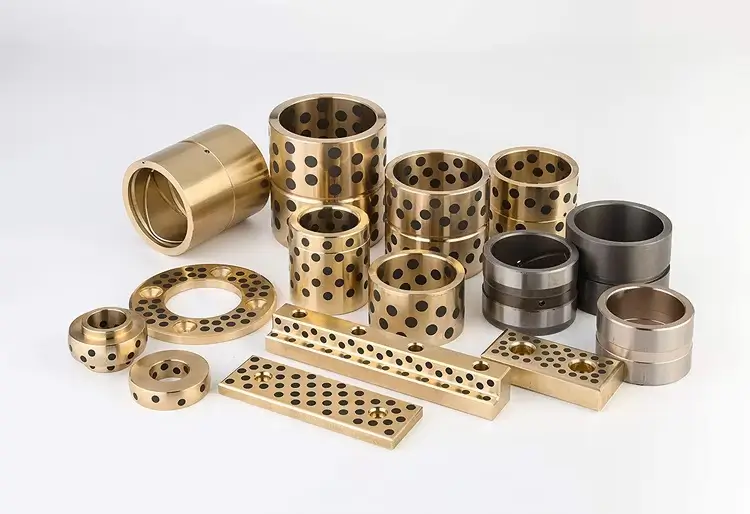
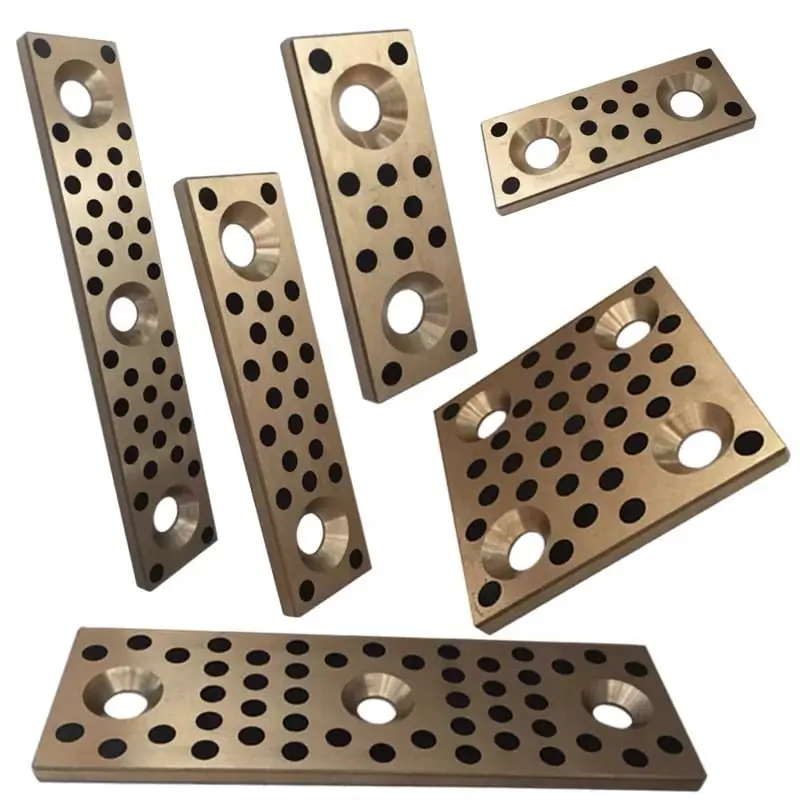
Bushing Systems: Cylindrical components that reduce friction and wear between rotating shafts and their housings are critical in heavy machinery. When properly specified, they minimize wear on pins, pivot points, and hydraulic cylinder connections, protecting the same equipment that wear plates shield .
Quality Considerations for Bushings: Material selection, precision manufacturing, and proper tolerances determine bushing service life. Self-lubricating designs and advanced alloy compositions extend replacement intervals and reduce maintenance demands.
System Integration: The combination of premium wear plates for surface protection and high-quality bushings for moving joints ensures comprehensive equipment preservation. This holistic approach prevents localized failures that can compromise entire machinery systems.
FAQ
Q1: What distinguishes a premium wear plate from standard abrasion-resistant (AR) plate?
Premium wear plates feature a dual-layer construction with a high-hardness chromium carbide overlay metallurgically bonded to a tough steel substrate. Standard AR plates are homogeneous materials that cannot simultaneously optimize hardness and toughness. The clad construction enables superior wear resistance with impact tolerance .
Q2: Can premium wear plates be welded or formed?
Yes, premium plates can be cut, welded, and formed using appropriate procedures. The base layer provides formability, while the overlay contributes wear resistance. Minimum bend radii and welding parameters must be observed to maintain overlay integrity .
Q3: What is the maximum service temperature for chrome carbide overlay plates?
Standard chrome carbide overlays maintain hardness and structural stability up to approximately 500°C (932°F). Specialized formulations may extend this temperature range for specific applications .
Q4: How does the lifecycle cost of premium wear plate compare to standard options?
While premium plates carry higher initial costs, longer service life and reduced downtime frequently result in lower total cost. Organizations should evaluate wear plate performance based on cost per unit of production or cost per month of service rather than purchase price alone .
Q5: How are bushings integrated with wear plate systems?
Bushings protect pivot points, shaft connections, and sliding interfaces that complement the surface protection provided by wear plates. Together, these components form comprehensive equipment preservation strategies, preventing wear at both surface contact points and mechanical joints
100000+ Types of Bushings – Contact Us for Details