
Recent Posts
Bearing Marine: Comprehensive Guide to Marine Bearings and Bushings
Introduction
Marine bearings serve as fundamental components within vessel propulsion and steering systems, enabling rotating shafts and moving parts to operate with reduced friction and controlled wear. These engineering components support propeller shafts, rudder stocks, and various deck equipment while withstanding the relentless challenges of seawater corrosion, heavy loads, and continuous operation. Understanding the functional principles, application scenarios, and material considerations of marine bearings is essential for vessel owners, naval architects, and maintenance engineers seeking reliable and cost-effective solutions.
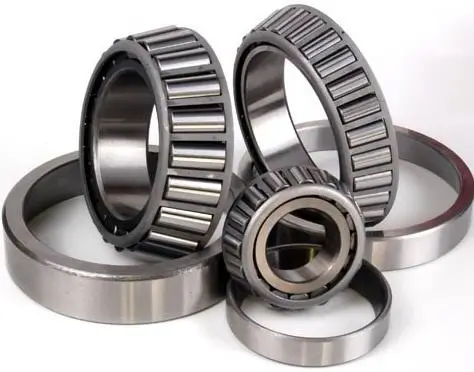
Table of Contents
1. Marine Bearing Types and Their Functional Roles
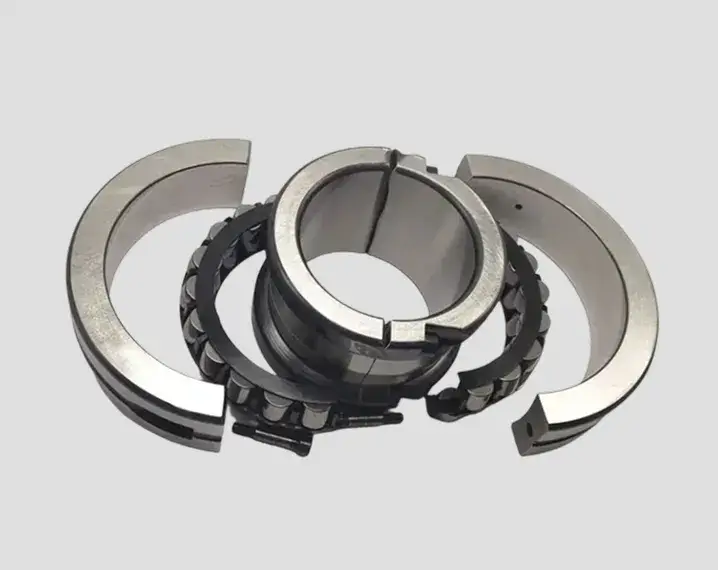
Marine bearings are manufactured in several configurations, each serving distinct operational requirements. Stern tube bearings provide critical support for the main propulsion shaft where it passes through the vessel hull, ensuring proper alignment and load distribution. Rudder bearings support the rudder stock, enabling precise steering control while withstanding hydrodynamic forces.Intermediate shaft bearings maintain alignment throughout the propulsion train, while thrust bearings absorb axial loads generated by propeller thrust. Additional bearing types include cutlass bearings for smaller vessels, plummer block bearings for self-aligning support, and split sleeve bearings designed for accessible maintenance. Each type addresses specific load characteristics, motion dynamics, and installation constraints within the marine propulsion and control architecture
2. Critical Applications Across Vessel Systems
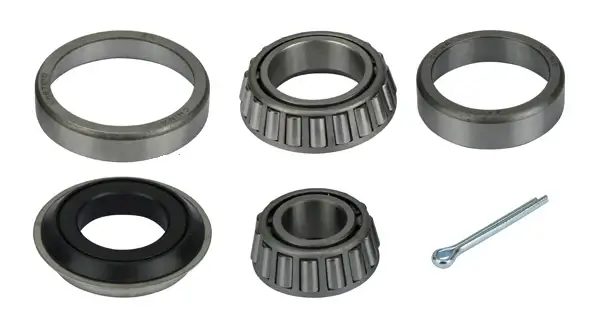
Marine bearings find application across virtually every mechanical system aboard commercial and naval vessels. Propeller shaft systems rely on stern tube bearings to sustain continuous rotational motion under substantial radial loads. Rudder and steering gear assemblies employ rudder bearings that must perform reliably in both wet and dry conditions. Deck equipment—including winches, cranes, fairleads, and hatch cover mechanisms—incorporates bearings and bushings to enable smooth operation of lifting and mooring systems. Stabiliser bearings support fin stabilizers that reduce vessel roll, while rope guards and fairwaters protect running rigging from abrasive wear. Offshore mooring systems, anchor handling equipment, and lifeboat launching systems further expand the application landscape for marine bearing technology
3. Material Science: The Foundation of Marine Bearing Performance
The material composition of a marine bearing determines its service life, maintenance requirements, and suitability for specific operating environments. Bronze alloys—particularly C93200, C95400, and C86300—offer exceptional load-bearing capacity, natural corrosion resistance in seawater, and excellent machinability for custom configurations. Composite materials incorporate synthetic fabric reinforcement impregnated with thermosetting resin and solid lubricant fillers, delivering high load capacity with low friction characteristics. Self-lubricating materials embed solid lubricants such as PTFE, graphite, or molybdenum disulfide throughout the material matrix, ensuring continuous lubrication without external oil or grease supply. Water-lubricated bearing systems eliminate oil-based lubrication entirely, utilizing seawater as the lubricating medium for environmentally compliant operation. Material selection must consider operating temperature range, shaft speed, load magnitude, and environmental exposure factors
4. Self-Lubricating Bearings: Maintenance-Free Operation Explained
Self-lubricating marine bearings—also known as oilless bearings, maintenance-free bushings, or dry plain bearings—represent a significant advancement in bearing technology. These components operate without external lubricant supply by relying on solid lubricants integrated into the bearing material. Unlike oil-impregnated bearings where lubricant gradually depletes over time, genuine self-lubricating bearings maintain consistent lubrication throughout their service life. PTFE bronze bushings combine cast bronze strength with PTFE’s ultra-low coefficient of friction, creating bearings that perform reliably in demanding marine environments. PTFE offers complete resistance to saltwater, marine growth, and corrosion, while maintaining lubricating properties across extreme temperature ranges. Self-lubricating designs eliminate grease nipples, oil passages, and lubrication schedules, reducing labor costs, downtime, and the risk of human error in maintenance procedures
5. Marine Bearing Applications in Propulsion Systems
Propulsion systems represent the most demanding application for marine bearings, requiring components that sustain continuous high-speed rotation under heavy loads. Stern tube bearings support the propeller shaft at the point where it exits the vessel hull, accommodating both radial loads and minor shaft misalignment. These bearings operate in seawater environments, requiring materials that resist corrosion and maintain dimensional stability when submerged. Forward stern tube bearings provide primary shaft support inside the hull, while aft stern tube bearings function at the external exit point. Water-lubricated propeller shaft bearings have proven superior performance in terms of wear resistance, extended service life, and reduced shaft wear compared to alternative materials. Many naval vessels and commercial fleets specify composite self-lubricating materials for stern shaft bearings due to their reliability and low maintenance profile
6. Rudder and Steering System Bearings
Rudder bearings must accommodate the unique operational demands of steering systems, including bidirectional loading, intermittent movement, and exposure to both submerged and dry conditions. Rudder stock bearings support the vertical shaft connecting the steering gear to the rudder blade, transmitting steering forces while enabling rotational movement. These bearings must perform reliably in wet and dry conditions at bearing pressures that can reach significant magnitudes. Pintle bearings and steering gear bearings further support the rudder assembly, ensuring precise control response. Self-lubricating rudder bearings eliminate grease usage entirely, reducing maintenance costs and eliminating the risk of grease discharge into marine environments. The elimination of external lubrication also removes the possibility of bearing seizure due to inadequate greasing, providing operational peace of mind
7. Deck Equipment and Auxiliary System Bearings
Beyond propulsion and steering, marine bearings support a wide array of deck equipment and auxiliary systems essential for vessel operations. Winch bearings and fairlead bushings enable smooth operation of mooring and towing lines under heavy tension. Crane bearings support lifting equipment used for cargo handling and supply transfer. Door and hatch cover bushings facilitate reliable sealing and operation of watertight closures. Anchor handling system bearings withstand the extreme loads associated with anchoring operations in challenging sea conditions. These auxiliary applications often benefit from self-lubricating bearing solutions that eliminate the need for regular greasing in difficult-to-access locations. Composite materials offer particular advantages for deck equipment, providing corrosion resistance, low weight, and maintenance-free operation in exposed marine environments
8. Maintenance Considerations and Service Life Optimization
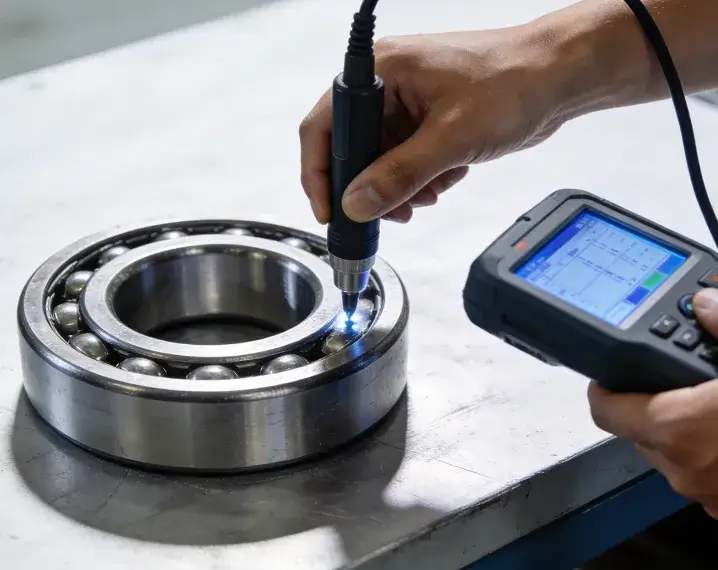
Effective maintenance practices extend marine bearing service life and prevent costly equipment failures. Regular inspection remains fundamental, with visual checks for wear, corrosion, seal integrity, and unusual noise or heat generation. Shaft alignment verification ensures proper load distribution and prevents premature bearing wear. For conventional lubricated bearings, adherence to scheduled lubrication intervals is critical, though self-lubricating alternatives eliminate this requirement entirely. Condition monitoring programs enable proactive identification of developing issues before they result in catastrophic failure. Replacement indicators include excessive shaft movement, vibration, or physical play exceeding recommended tolerances. Bearing spacing guidelines suggest intervals of 20 to 40 times the shaft diameter, though specific applications may require engineering assessment. Compliance with classification society standards and international maritime regulations ensures bearings meet required safety and performance criteria
9. Environmental Compliance and Sustainable Bearing Solutions
Increasing environmental regulations have driven significant innovation in marine bearing technology, particularly regarding lubrication systems. Water-lubricated bearings eliminate oil discharge risk entirely, meeting stringent environmental compliance requirements for operation in sensitive marine ecosystems. Self-lubricating bearings remove the need for grease or oil lubrication, preventing lubricant leakage into seawater and reducing the environmental footprint of vessel operations. Composite and polymer bearing materials offer additional environmental benefits through reduced weight, extended service life, and recyclability. The elimination of oil changes, filter replacements, and lubrication system maintenance further reduces waste generation and operational costs. As regulatory pressure to control oil and grease release into coastal waters and inland waterways continues to intensify, self-lubricating and water-lubricated bearing solutions provide compliant alternatives that do not compromise performance or reliability
Frequently Asked Questions
Q1: What are marine bearings and why are they important?
Marine bearings are essential components that support rotating shafts and moving parts within vessel propulsion, steering, and deck systems, reducing friction and wear to ensure optimal vessel performance.
Q2: What types of marine bearings are commonly used?
Common types include stern tube bearings, rudder bearings, thrust bearings, intermediate shaft bearings, cutlass bearings, and sleeve bearings, each designed for specific load capacities and application requirements.
Q3: What is the difference between self-lubricating and oil-impregnated bearings?
Self-lubricating bearings contain solid lubricants (PTFE, graphite, MoS₂) integrated into the material matrix, providing permanent lubrication throughout the service life. Oil-impregnated bearings store oil in porous structures that gradually deplete and eventually require re-lubrication.
Q4: Can marine bearings operate without external lubrication?
Yes. Self-lubricating marine bearings and water-lubricated bearing systems operate without external oil or grease, relying on solid lubricants or seawater as the lubricating medium.
Q5: What materials are best for marine bearing applications?
Bronze alloys offer excellent corrosion resistance and load capacity. Composite materials provide high load capacity with low friction. Self-lubricating materials combine durability with maintenance-free operation. Material selection depends on specific operating conditions and performance requirements.
Q6: How often should marine bearings be inspected?
Regular inspection schedules should be established based on operating conditions, with visual checks for wear, corrosion, and unusual noise or heat. Condition monitoring programs enable proactive maintenance.
Q7: What are the environmental benefits of self-lubricating marine bearings?
Self-lubricating bearings eliminate oil and grease discharge into seawater, reduce waste from lubricant changes, and meet stringent environmental regulations.
Q8: How do I select the right marine bearing for my vessel?
Consider environmental resistance, load capacity, maintenance requirements, size and fit, operating temperature range, and shaft speed. Consult engineering experts for application-specific recommendations.
Q9: What is the service life of a marine bearing?
Service life depends on material selection, operating conditions, load magnitude, and maintenance practices. Self-lubricating bearings typically offer extended service life compared to conventional lubricated bearings.
Q10: Where can I purchase high-quality marine bushings?
MYWAY manufactures high-performance self-lubricating bronze bushings for marine applications, offering custom configurations and engineered solutions for demanding operating conditions
100000+ Types of Bushings – Contact Us for Details