
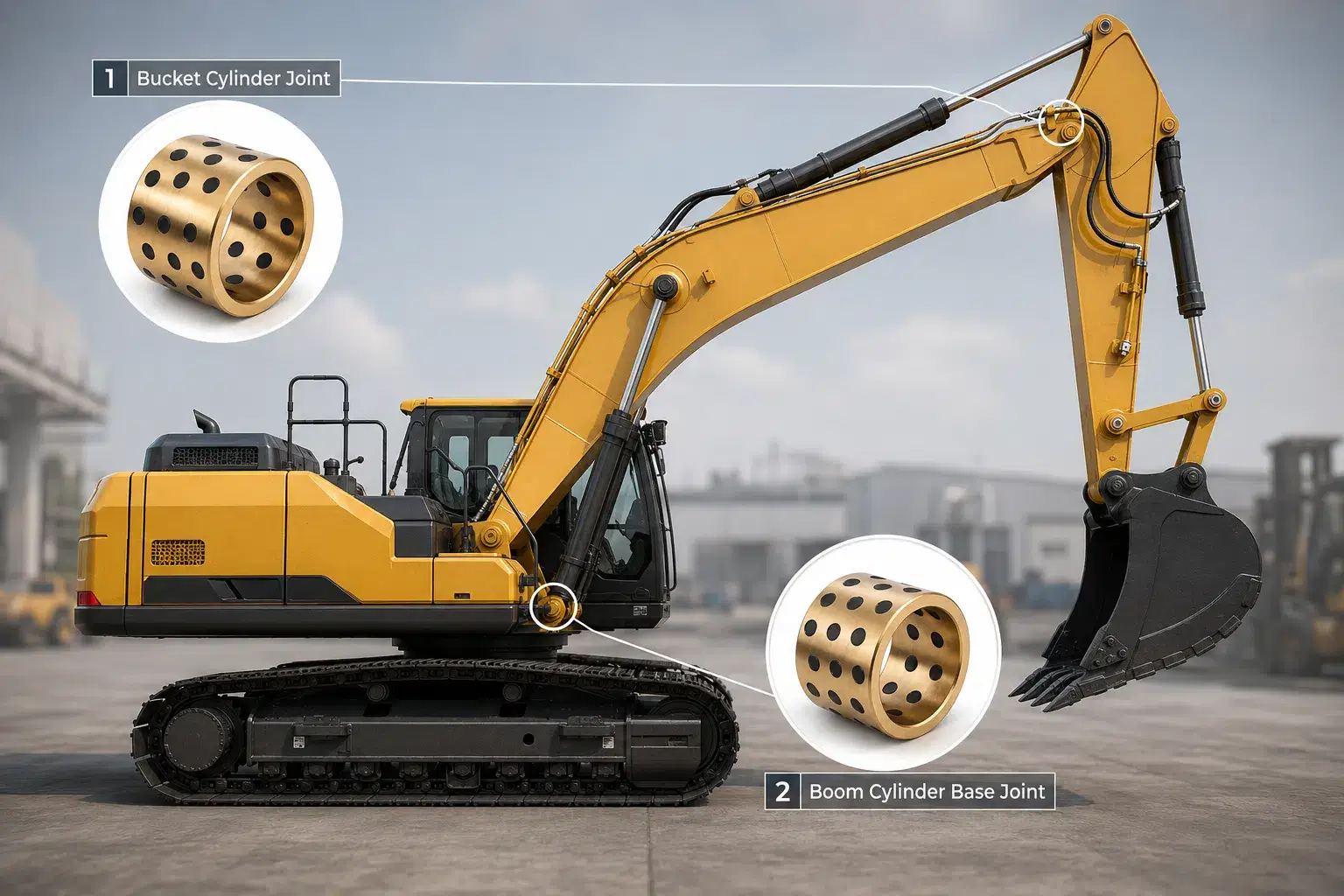
How to Choose the Right Excavator Bushing for Every Job: A Complete Material Selection Guide
Excavator bushings are small, inexpensive components that quietly protect the most expensive parts of your machine. When they fail early, the damage cascades: pins wear, bores egg out, linkages loosen, and suddenly you’re facing a welding torch and a four-figure repair bill instead of a quick parts swap. This guide breaks down exactly how to select the right bushing for your specific working conditions. We’ll cover material science in plain language, walk through eight critical selection factors, and show you which bushing materials actually hold up in abrasive soil, heavy rock, wet coastal sites, and high-impact demolition. Whether you run a Komatsu PC200 in a sand pit or a CAT 320 breaking concrete all day, this article will help you stop guessing and start spec’ing the right bushing the first time.
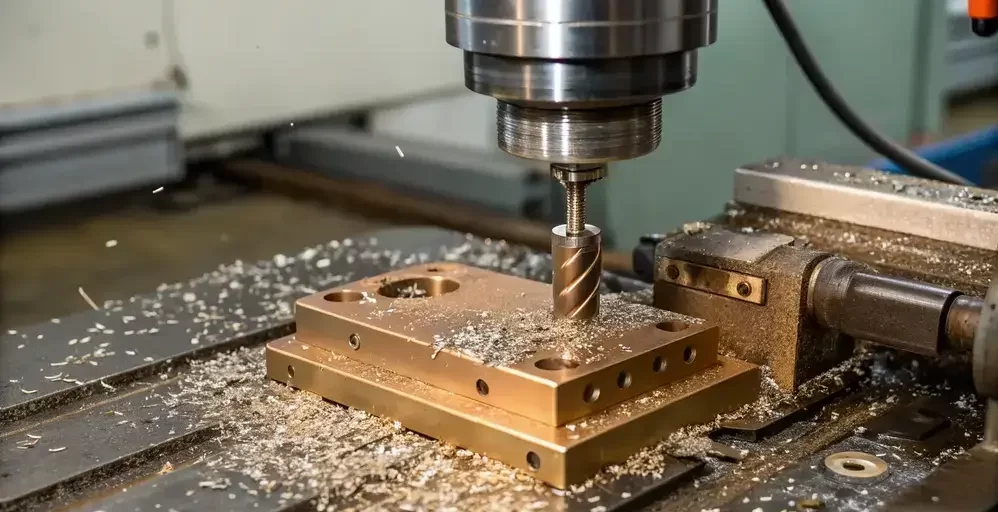
Copper Castings for Metallurgy: A Comprehensive Guide to Alloy Selection, Performance, and Applications
Copper castings occupy a unique position in the metallurgical industry. Their combination of high thermal conductivity, excellent corrosion resistance, and superior wear characteristics makes them indispensable for critical applications ranging from continuous casting molds to heavy-duty bushings in steel mills. This article examines the metallurgical principles behind copper alloy castings, explores the major alloy families used in demanding environments, and provides practical guidance on material selection, manufacturing processes, and quality standards. We also address common challenges in sourcing copper castings and offer insights into the global supply landscape. Whether you are designing components for steel manufacturing, marine systems, or industrial machinery, understanding the behavior of copper casting alloys will help you make informed decisions that balance performance, longevity, and cost.
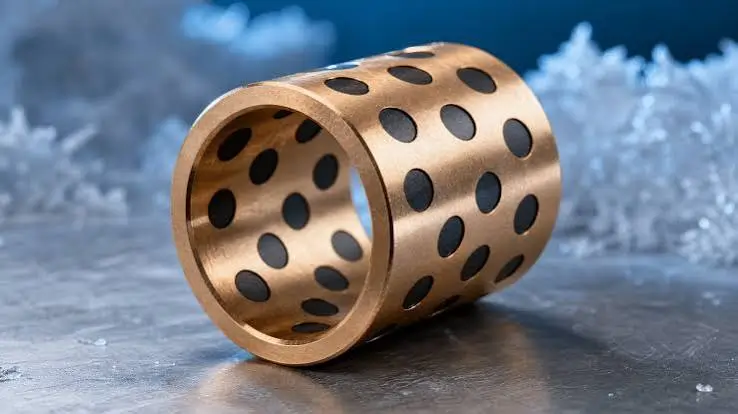
Metallurgical Copper Components: A Complete Guide to Alloy Selection, Applications, and Performance
Metallurgical copper components form the backbone of heavy industry, from continuous casting molds in steel mills to high-load bushings in mining equipment. This guide examines the metallurgical principles behind copper alloy selection, compares the performance of bronze versus brass in demanding applications, and explores how modern surface treatment technologies extend component life. We also address the growing role of copper in electrification and renewable energy infrastructure. For engineers and procurement specialists, understanding these factors means the difference between a component that lasts months and one that lasts decades.
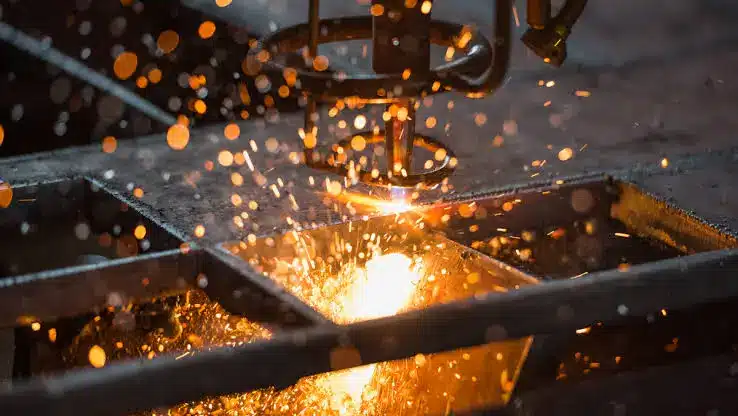
Smelting Furnace Parts: A Practical Guide to the Components That Keep Your Melt Running
Smelting furnace parts are the difference between a furnace that runs for years and one that eats your maintenance budget alive. Whether you operate an electric arc furnace, an induction melter, a cupola, or a side-blown smelting unit, the components inside that shell — refractory bricks, electrodes, copper busbars, water jackets, tap-hole modules, burners, and sensors — determine your melt rate, energy efficiency, and safety. This article breaks down the major categories of smelting furnace parts, explains what to look for when sourcing replacements, and offers practical guidance on extending service life. If you’re tired of chasing parts that fail too fast, this one’s for you.
Metallurgical Equipment Parts: The Complete Buyer’s Guide to Wear Parts, Bushings, and Components That Keep Steel Mills Running
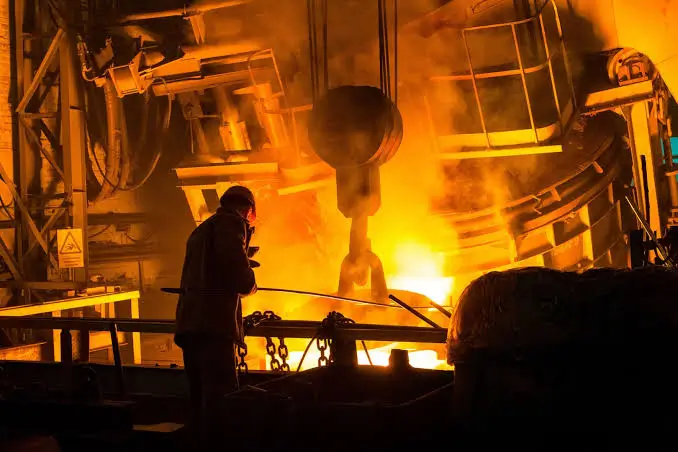
Metallurgical equipment parts are the unsung heroes of steel production, mineral processing, and metal casting. From wear liners in sinter plants to self-lubricating bushings in rolling mills, these components determine how long your equipment runs before it needs maintenance—and how much that downtime costs you. This guide covers the most critical categories of metallurgical equipment parts, explains material selection trade-offs, and offers practical advice on sourcing from a technical buyer’s perspective. Whether you operate a blast furnace, a mineral processing plant, or a foundry, understanding what makes these parts fail (and what makes them last) directly impacts your bottom line.
Custom Steel Bushings: The Complete Guide to Choosing, Specifying, and Sourcing High-Performance Wear Parts
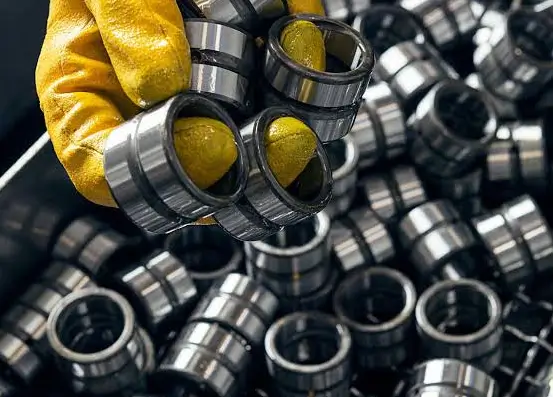
Custom steel bushings are among the most overlooked yet critical components in heavy machinery. When a standard catalog bushing fails, the downtime cost often dwarfs the part price by a factor of ten or more. This guide walks through what makes a custom steel bushing different from an off-the-shelf one, how to specify the right material and tolerances, and what to look for in a manufacturing partner. We cover the full range—from simple plain bushings to grooved, flanged, and self-lubricating variants—with practical advice drawn from real-world applications in mining, construction, and industrial equipment. Whether you’re an OEM engineer designing a new assembly or a maintenance manager trying to stop repeat failures, this article is meant to be a working reference, not a sales pitch.
MYWAY Graphite Bearings: The Self-Lubricating Solution for Extreme Environments Where Ordinary Bearings Fail
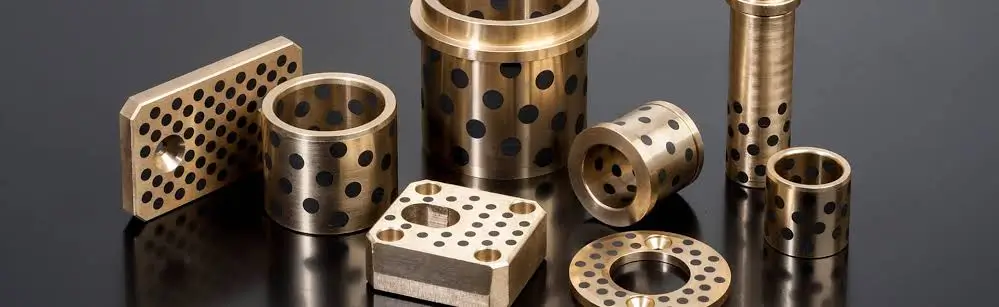
This article explores MYWAY graphite bearings and graphite bushings as self-lubricating solutions for extreme environments where oil, grease, and conventional metal bearings fail. It explains the difference between plain carbon graphite and graphite-metal alloy materials, highlights key performance advantages such as high-temperature resistance, chemical inertness, submerged operation, and maintenance-free performance, and outlines major applications across pumps, food processing, chemicals, and high-temperature equipment. A practical specification checklist, installation guidance, and 10 FAQs help engineers select the right bearing. The article concludes by promoting MYWAY’s ISO/IATF-certified graphite bushings, custom engineering support, and global supply capability, inviting customers to request a quote.
Copper for Casting: Alloys, Processes, and Applications for Industrial Buyers
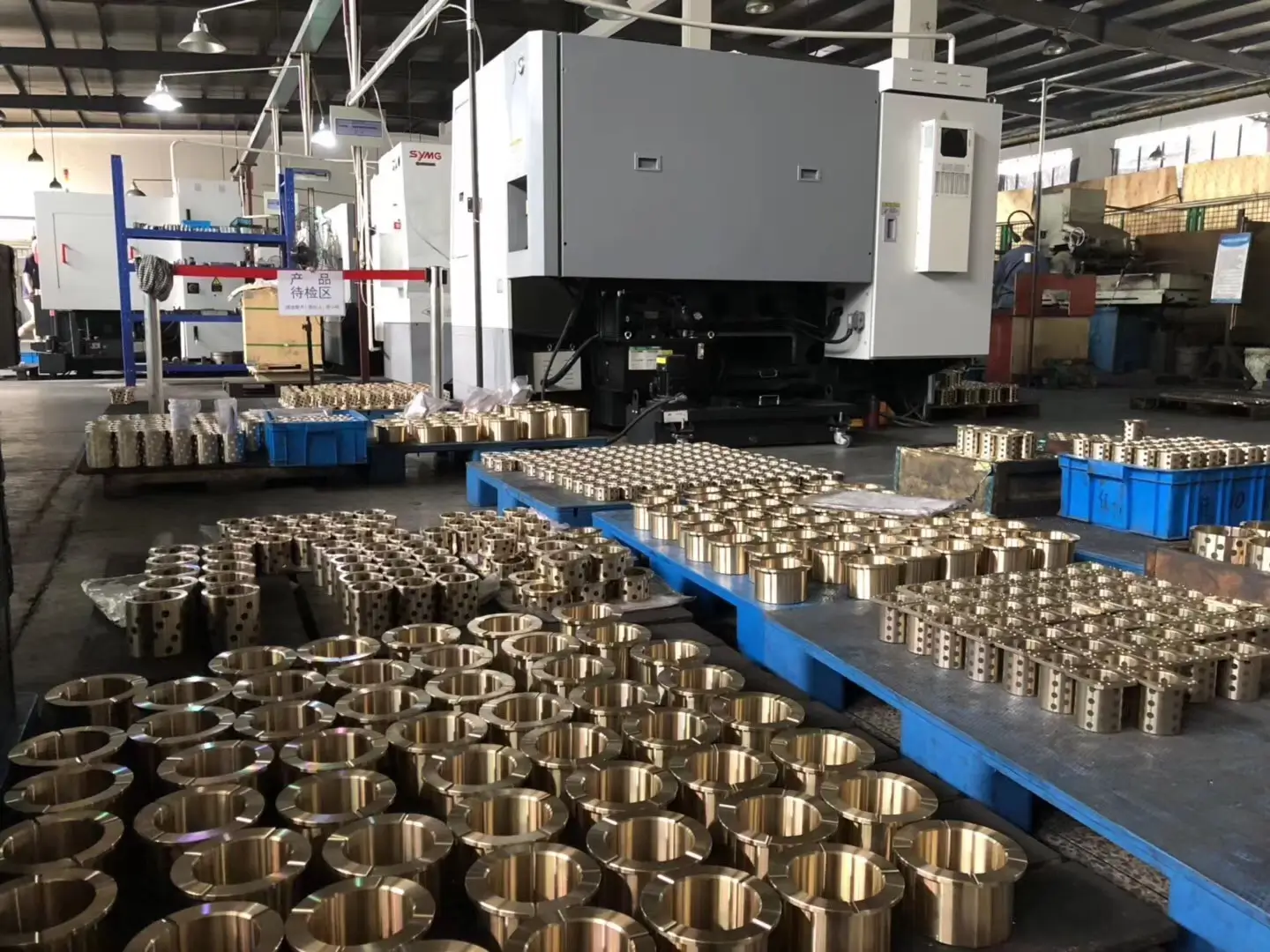
Copper and copper alloys represent one of the most versatile material families in modern foundry operations. With exceptional electrical and thermal conductivity, superior corrosion resistance, and excellent machinability, copper castings serve critical roles across electrical, marine, automotive, and industrial applications. Understanding the relationship between alloy selection, casting method, and final component performance enables engineers and procurement specialists to optimize both technical outcomes and production costs.
Bronze Metal Alloy: The Definitive Technical and Commercial Guide
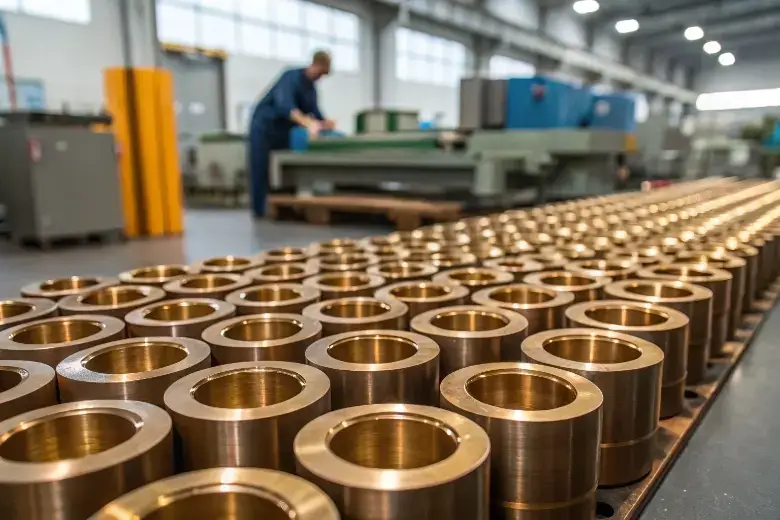
Bronze represents one of humanity’s most transformative metallurgical achievements, marking the transition from the Stone Age to the Bronze Age around 3500 BCE. Today, this copper-tin alloy system has evolved into a sophisticated family of engineering materials with precisely controlled compositions tailored for specific industrial applications. Modern bronze alloys offer an exceptional combination of corrosion resistance, wear resistance, mechanical strength, and castability that continues to make them indispensable across marine engineering, industrial machinery, aerospace components, and infrastructure sectors. This comprehensive analysis examines bronze alloy composition, mechanical properties, commercial grades, market dynamics, and application criteria to inform procurement decisions and engineering specifications.
Metallurgical Principles and Advanced Manufacturing of Casting Bush Components: A Comprehensive Technical Review
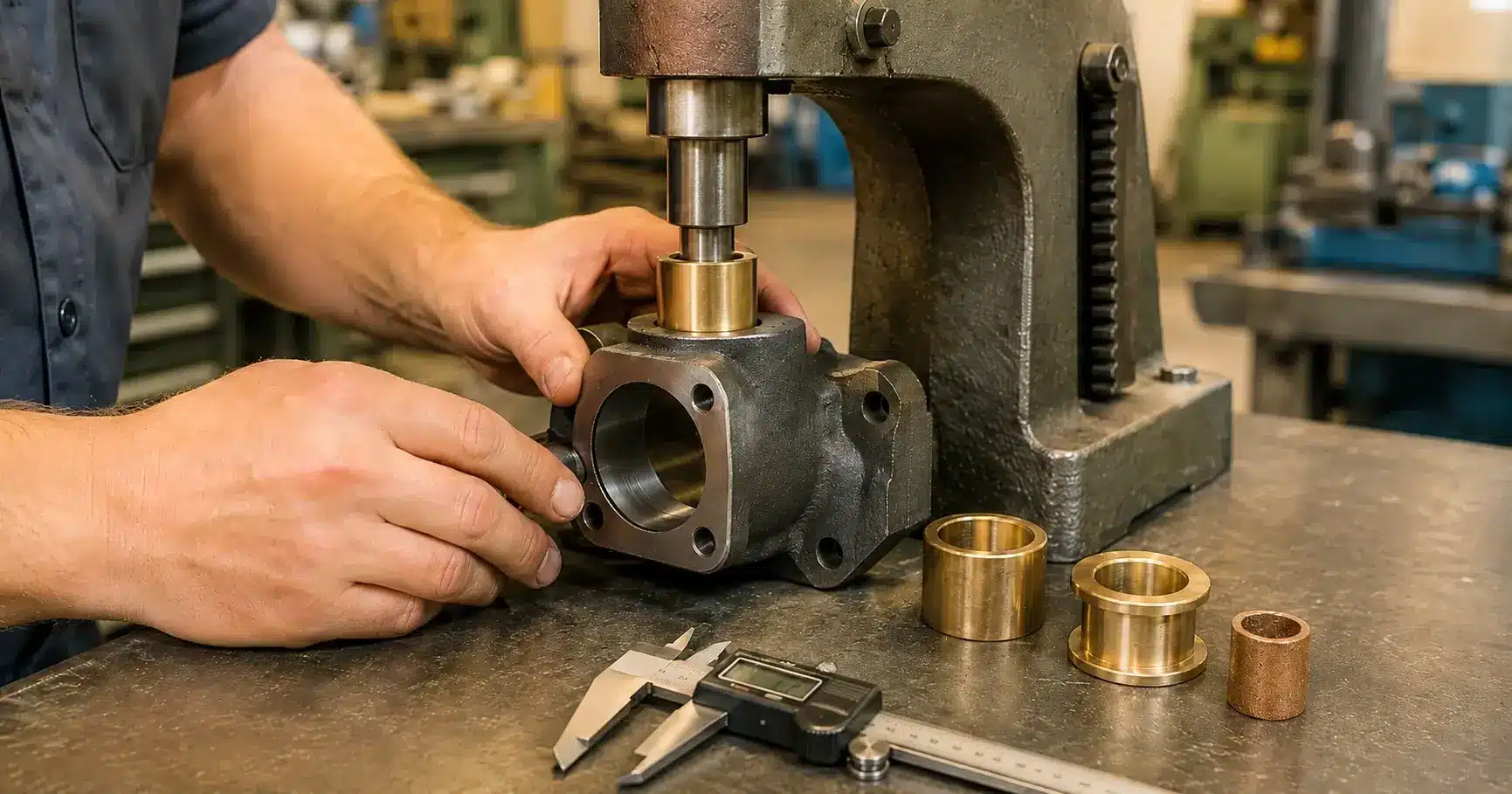
Casting bush components represent critical engineering elements in heavy machinery, mining equipment, marine propulsion systems, and high-speed rotating assemblies. These cylindrical bearing elements, produced through various casting methodologies, must withstand extreme operating conditions including high surface pressures, abrasive wear, corrosive environments, and elevated temperatures. This technical review examines the metallurgical principles governing casting bush performance, manufacturing process optimization, alloy selection criteria, and quality assurance protocols essential for engineering applications.
Metallurgical Advancements in Low Friction Washers: Material Science, Coating Technologies, and Performance Optimization
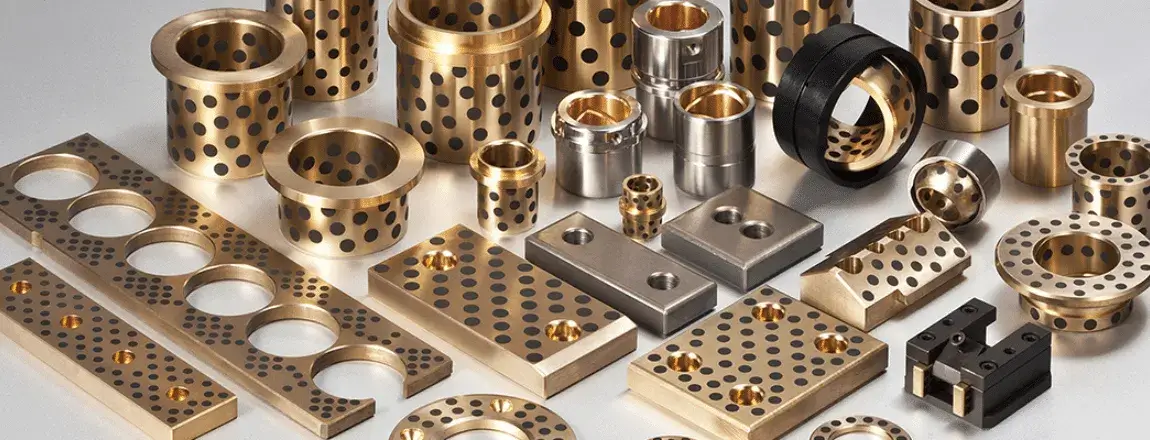
The evolution of low friction washers represents a critical intersection of tribology, materials engineering, and fastener technology. These specialized components serve as essential solutions for managing friction, thermal expansion, and wear in bolted joints across automotive, aerospace, industrial machinery, and precision equipment applications. This article examines the metallurgical principles, coating technologies, and performance characteristics that define contemporary low friction washer design and manufacturing.
Metallurgical Advancements and Industrial Applications of Composite Bearing Systems
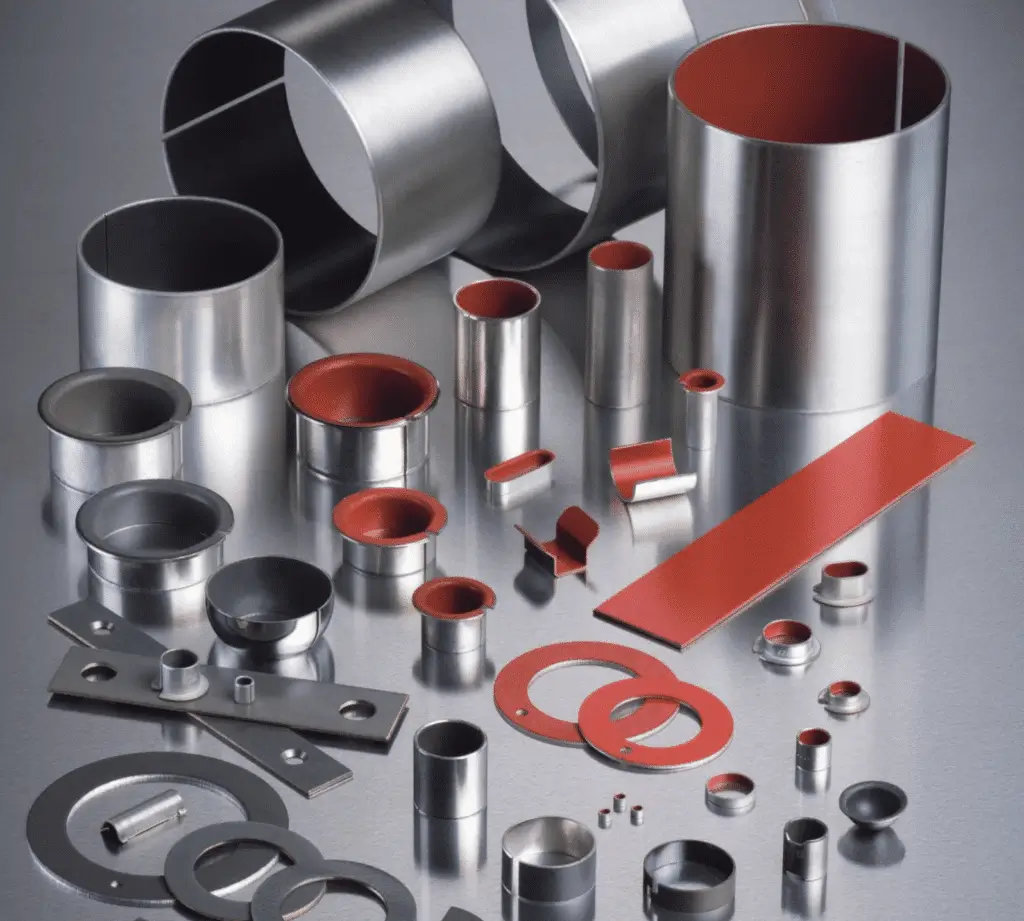
The evolution of bearing technology has witnessed a paradigm shift from monolithic metallic alloys toward engineered composite systems that synergistically integrate material properties to meet increasingly demanding operational requirements. Composite bearings, defined as multi-material engineered structures combining a bearing lining with a structurally robust backing, represent a sophisticated metallurgical solution addressing the inherent trade-off between surface compatibility and load-bearing capacity . These advanced tribological components have become indispensable across aerospace, automotive, marine, construction, mining, and energy processing sectors, driven by their exceptional corrosion resistance, self-lubricating capabilities, and significant weight reduction advantages over conventional metallic bearings