
Low Carbon Steel Bushings: Metallurgical Foundations and Performance Optimization for Heavy-Duty Applications
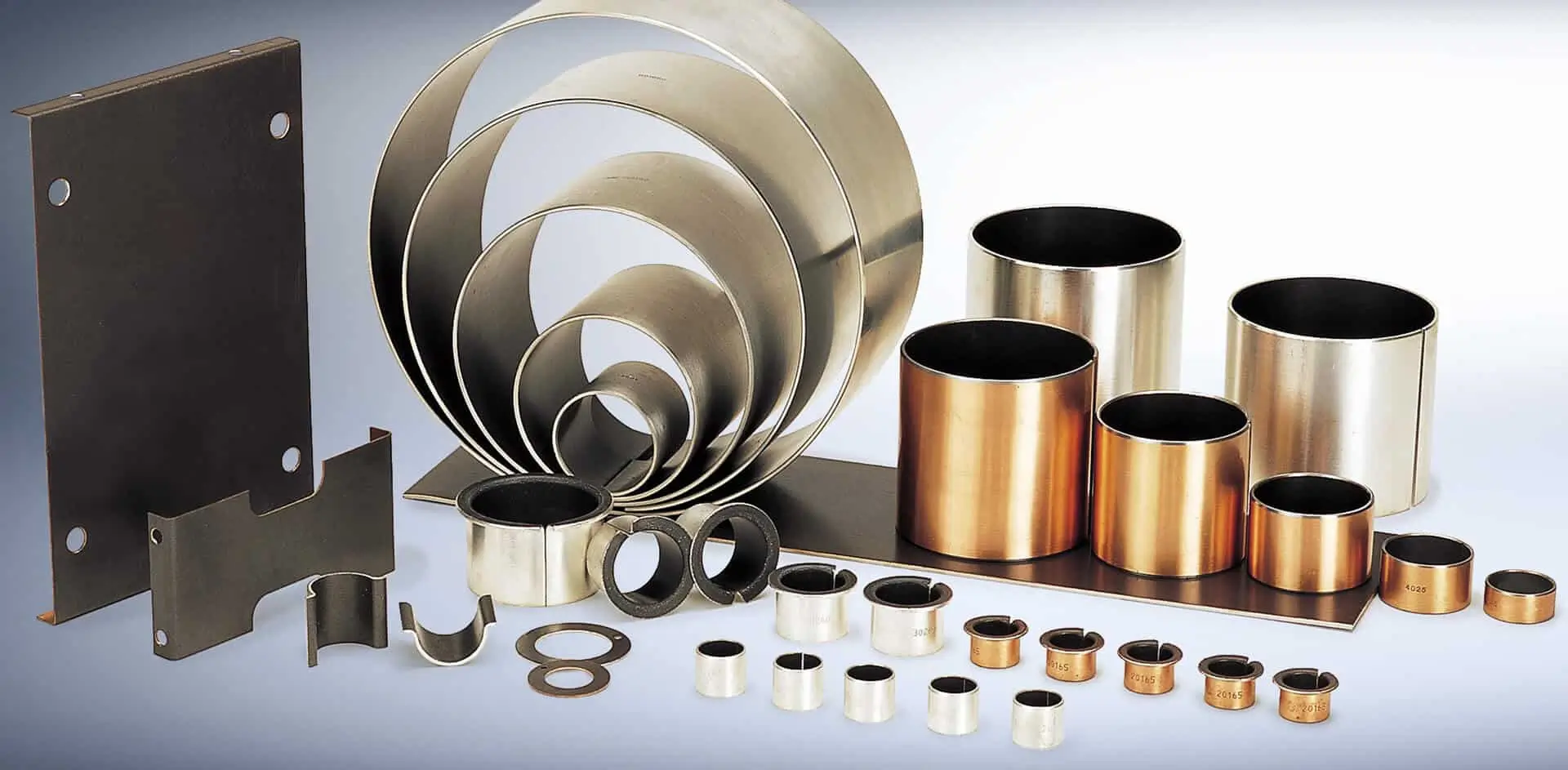
Low carbon steel bushings represent a fundamental component category within mechanical power transmission and motion control systems. Defined by their carbon content typically below 0.30% by weight, these cylindrical sleeves serve as sacrificial wear surfaces that protect rotating shafts and housing bores from direct metal-to-metal contact. The metallurgical characteristics of low carbon steel—including its ferritic-pearlitic microstructure, case-hardening responsiveness, and cost-effectiveness—make it an indispensable engineering material across construction equipment, agricultural machinery, automotive suspensions, and hydraulic systems.
Metallurgical Engineering Essentials: The Definitive Technical Resource on Heavy-Duty Machinery Bushings
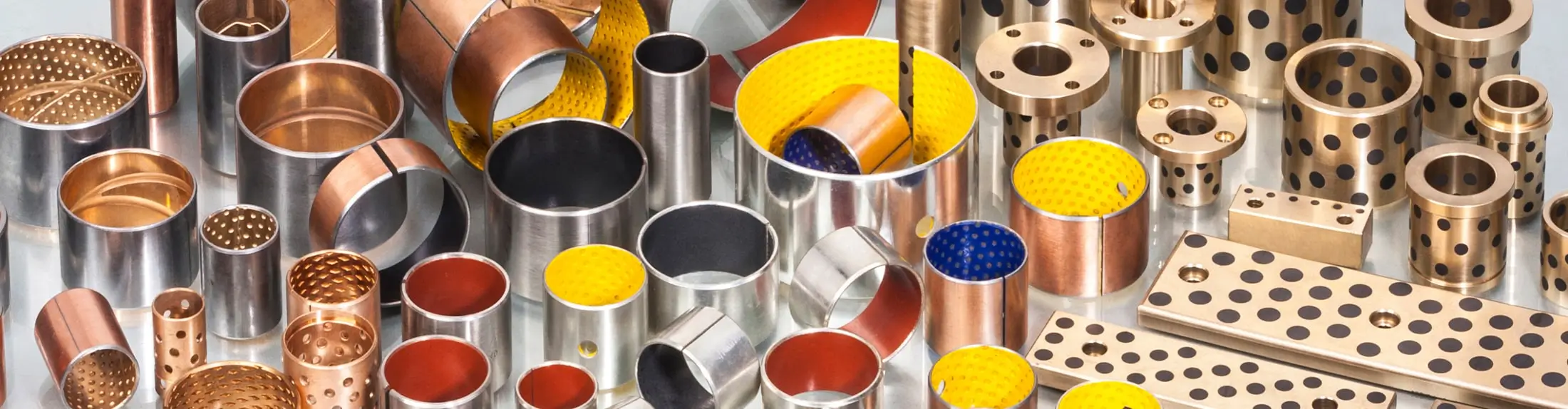
In the demanding environment of modern heavy industries—including mining, construction, material handling, and steel metallurgy—mechanical pivot joints are subjected to relentless combined stresses. High static and dynamic loads, continuous abrasive friction, severe and harsh environmental contaminants create an extraordinarily challenging operating matrix for critical wear components. Within this context, the heavy-duty machinery bushing (commonly referred to as track bushings, excavator bucket bushings, suspension bushings, or sleeve in metallurgical equipment) plays an indispensable role as the primary load-bearing and motion-guiding interface.
Metallurgical Equipment Reliability: The Critical Role of Shear Machine Bushings in High-Impact Steel Processing
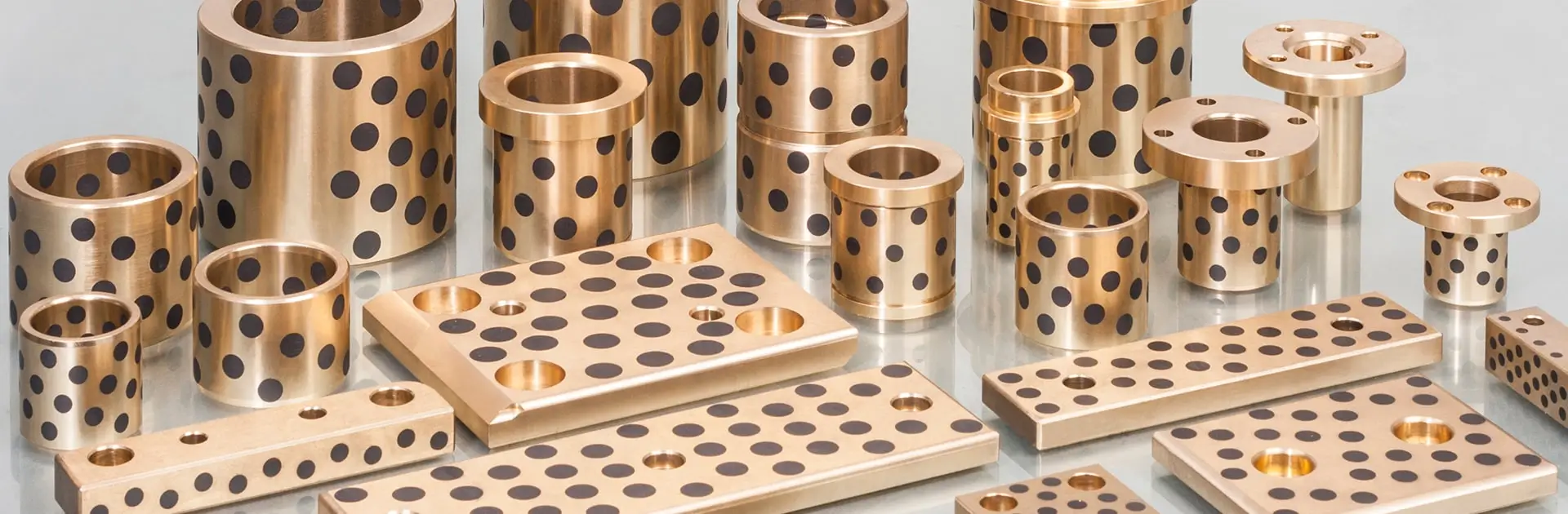
Shear machines constitute essential capital equipment in metallurgical processing lines, performing precision cutting operations on hot-rolled blooms, slabs, and billets under extreme operational conditions. The bushing—a cylindrical bearing component—serves as the critical interface between moving shear components, directly influencing equipment reliability, production uptime, and maintenance costs. These components function in environments characterized by high impact loads, elevated temperatures reaching 300°C, abrasive particulate contamination, and frequent start-stop cycling. The selection, application, and maintenance of shear machine bushings represent key determinants of operational efficiency in steel mills and metal processing facilities worldwide.
Metallurgical Lubrication Strategies: A Technical Comparison of Oil and Grease Systems for Heavy Machinery and Metal Processing
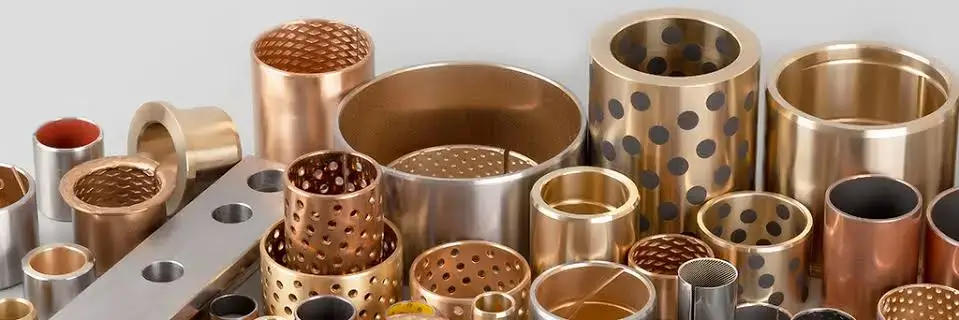
Within ferrous and non-ferrous metalworking, the selection between oil and grease is more than a maintenance preference—it is a metallurgical decision impacting tool life, surface integrity, and operational economics. The tribological interface between tool steel and workpiece, whether in rolling contact bearings or high-speed machining, demands lubricants engineered for specific pressure-velocity-temperature regimes. This analysis examines the physical and chemical distinctions between oil and grease systems, drawing upon industrial application data and laboratory findings to establish selection criteria for demanding metallurgical environments.
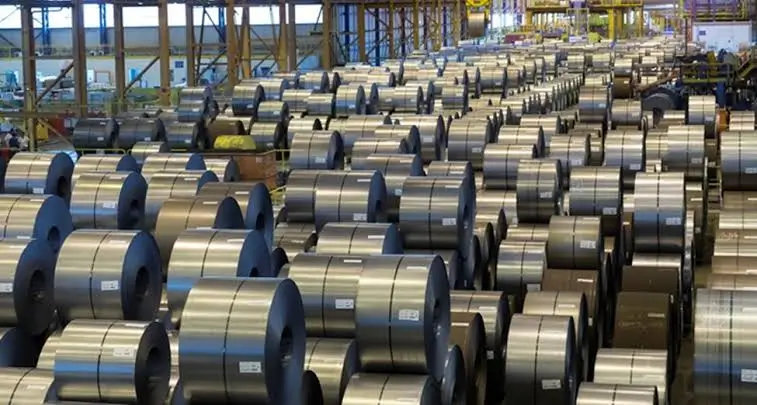
Metallurgical Advancements and Application Engineering of Steel Bushings: A Comprehensive Technical Overview
Steel bushings represent a foundational component in mechanical power transmission, motion control, and structural articulation systems across heavy machinery, aerospace, automotive, and industrial equipment sectors. As replaceable wear surfaces, these cylindrical sleeves protect housing bores from fretting, abrasion, and fatigue failure while providing precise dimensional control for rotating or oscillating shaft interfaces. The metallurgical selection, thermal processing, and surface engineering of steel bushings directly determine service life, load-bearing capacity, friction coefficients, and maintenance intervals in demanding operating environments. This technical exposition examines the material science, manufacturing methodologies, performance optimization strategies, and application-specific requirements governing modern steel bushing technology.
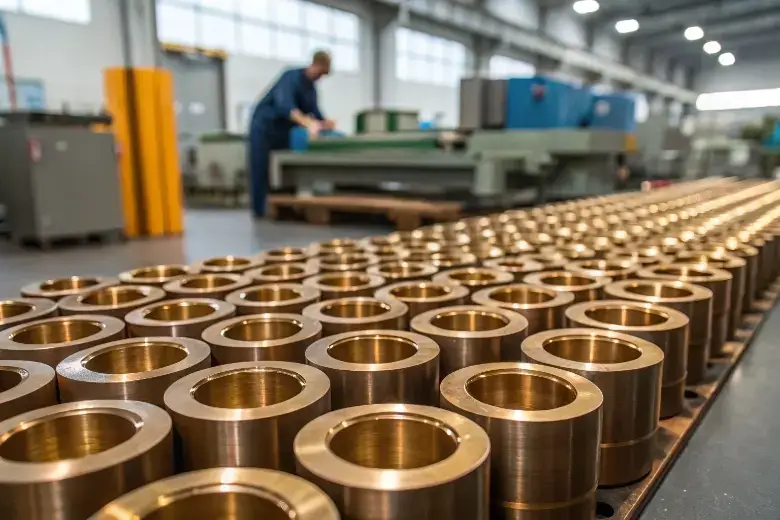
Brass vs Bronze Bushing: Differences, Properties and Best Applications
Copper-based alloys remain the predominant material family for plain bearing and bushing applications across industrial sectors. Within this category, brass and bronze represent the two primary classifications, yet their metallurgical distinctions translate to markedly different performance envelopes in service. This analysis examines the compositional, mechanical, and tribological parameters that differentiate these material classes, providing engineers and procurement specialists with the technical framework necessary for informed alloy selection. The comparative data presented herein addresses the operational considerations of load capacity, wear resistance, lubrication requirements, and cost-effectiveness that define application-specific material decisions.
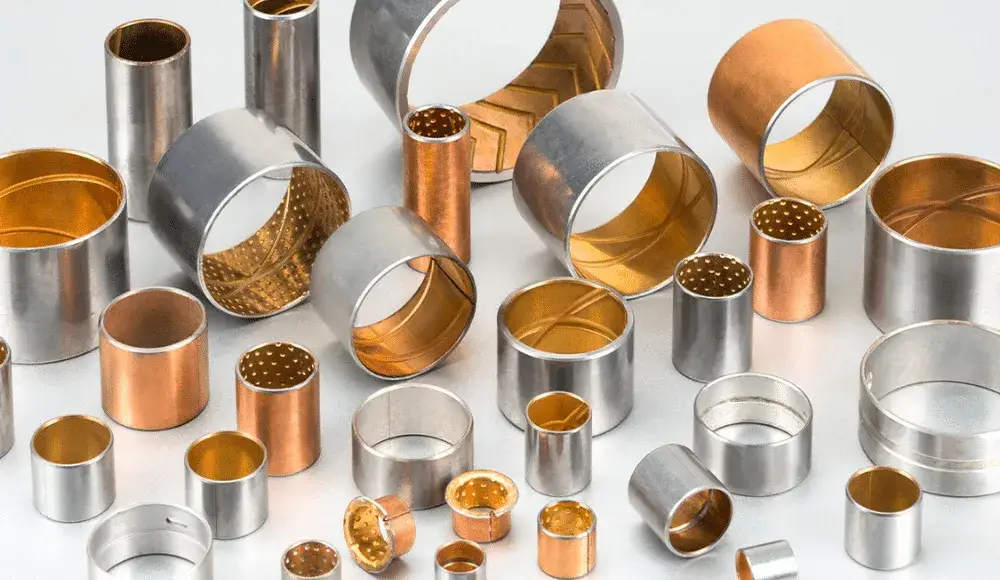
Steel-Backed Bushings: Bimetal Bearing Metallurgy, Load Support, Sliding Layers, and Global Procurement
A steel-backed bushing is a composite plain bearing in which a steel shell supplies stiffness, press-fit strength and dimensional stability while a bronze, leaded-bronze, aluminum-tin, sintered, PTFE, POM, polymer or solid-lubricant layer provides the sliding surface. The architecture allows a thin wall, high housing interference, controlled bearing surface, and efficient use of specialized bearing material. Steel-backed bearings are used in automotive components, hydraulic equipment, construction machinery, compressors, agricultural equipment, machine tools, industrial handling, rolling-mill auxiliaries, pumps and general machinery. The correct grade depends on material stack, layer thickness, load, speed, lubrication, temperature, shaft finish, fit, corrosion and environment.
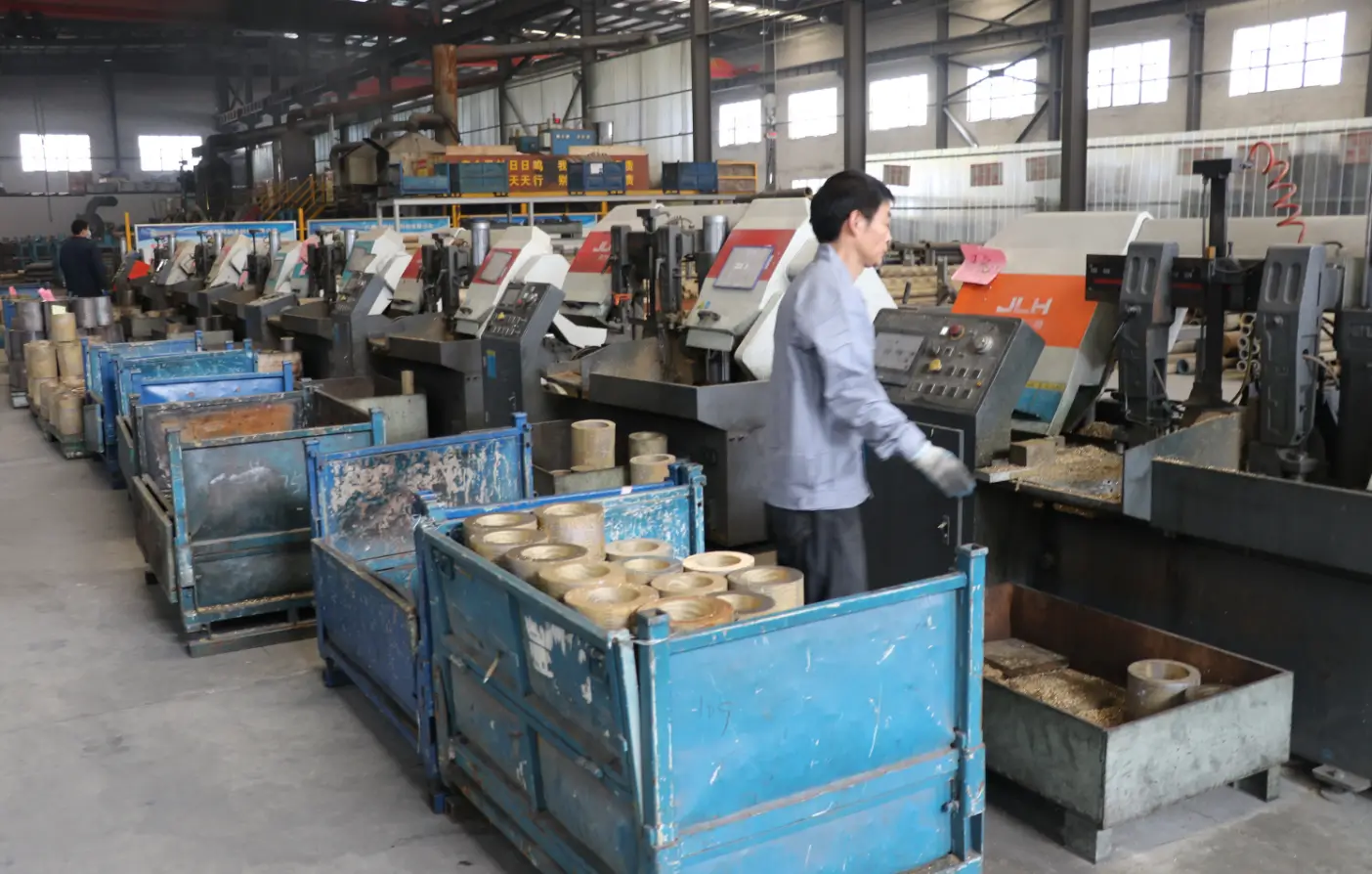
Continuous Casting Machine Bushing Solutions: Engineering Guide for Steel Mills
In modern metallurgical operations, the continuous casting machine represents the critical interface between liquid steel refining and solid product forming. Within this sophisticated system, bushings function as indispensable tribological components that directly influence equipment reliability, product quality, and operational economy. This comprehensive technical resource examines bushing technologies deployed across continuous casting applications—from mold oscillation mechanisms to strand guide roller assemblies—providing engineers and procurement professionals with actionable intelligence for component selection and lifecycle optimization.
Self-Lubricating Bushing: Bearing Metallurgy, Solid Lubricants, PV Control, and Reliable Industrial Selection
A self-lubricating bushing is a plain bearing designed to reduce friction and wear without continuous external grease or oil supply. The term covers several different material systems: oil-impregnated sintered bronze, steel-backed metal-polymer composites, cast bronze with graphite inserts, solid-lubricant-dispersed metal, engineered polymer, and fiber-reinforced composite bearings. These products do not have identical operating limits. The correct choice requires load, sliding speed, PV factor, temperature, oscillation, counterface, contamination, water or chemical exposure, fit, clearance and expected maintenance interval.
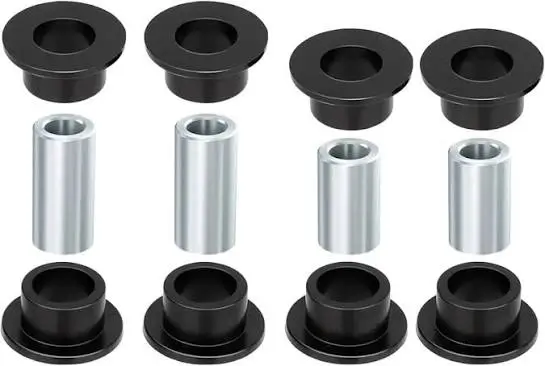
Chock Bushing: Heavy-Duty Metallurgy, Roll-Neck Support, Lubrication Control, and Mill Reliability
A chock bushing is a heavy-duty plain-bearing component fitted in a mill chock or bearing housing to support, guide, or locate a roll neck, shaft, pivot, or related rotating member. In rolling mills, strip mills, plate mills, bar mills, coilers, presses, and process equipment, the bushing must tolerate high radial force, shock, vibration, heat, cooling water, oxide scale, lubricant contamination, and demanding maintenance schedules. A technically correct chock-bushing specification combines copper-alloy metallurgy, backing or split-bush construction, bore geometry, fit, lubrication, shaft condition, inspection, and replacement strategy.
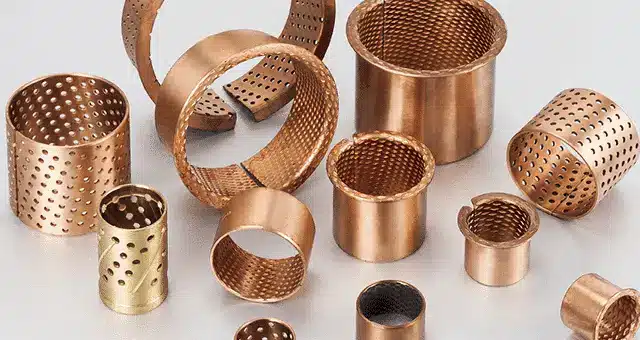
Bronze Flanged Bushings: Copper-Alloy Metallurgy, Radial Support, Thrust Control, and Reliable Procurement
A bronze flanged bushing is a sleeve bearing with an integral radial flange. The sleeve supports radial load around a shaft or pin, while the flange locates the bushing axially or carries a defined thrust load. Bronze flanged bushings are used in machinery, pumps, valves, agricultural equipment, construction equipment, marine systems, dies, conveyors, and industrial automation. The metallurgy, casting route, flange geometry, interference fit, running clearance, counterface, lubrication, sealing and inspection plan must be selected as one engineering system.
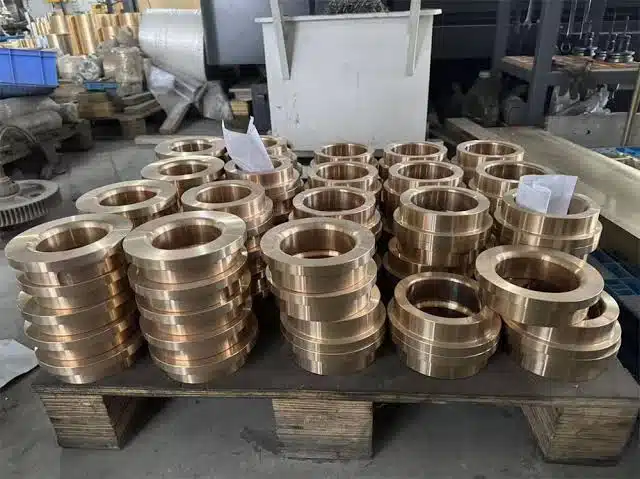
Rolling Mill Bushing: Bronze Metallurgy, Heavy-Load Bearing Design, Lubrication, and Reliable Mill Availability
A rolling mill bushing is a heavy-duty plain-bearing component that supports or guides roll necks, screw-down systems, chocks, coiler mandrels, pivots, and related mill mechanisms. It operates under high radial load, shock, vibration, heat, cooling water, scale, grease or oil, and frequent maintenance pressure. Bronze, aluminum bronze, manganese bronze, leaded bearing bronze, steel-backed bimetal, graphite-plugged bronze and composite materials can be appropriate, but material selection must match roll force, speed, temperature, lubrication, shaft condition, fit, and inspection requirements.