
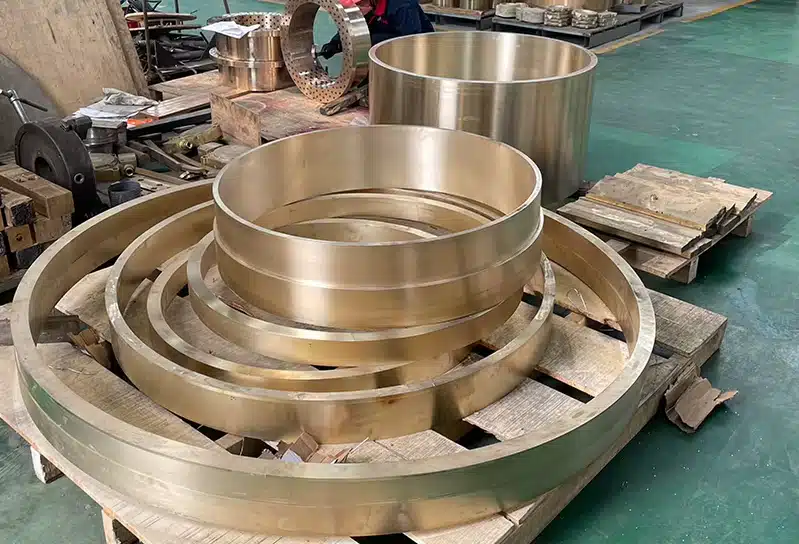
Centrifugal Cast Bronze Bushing: Copper-Alloy Metallurgy, Dense Casting Structure, Precision Machining, and Reliable Supply
A centrifugal cast bronze bushing is a copper-alloy plain bearing made in a rotating mould, where molten bronze is distributed against the mould wall before solidification. The process is used for sleeves, flanged bushes, large bearing bushes, worm-shaft bushes, crusher parts, marine components, pumps, valves and high-load wear parts. A reliable bushing depends on alloy grade, melt cleanliness, pouring temperature, rotation speed, cooling, segregation control, machining allowance, shaft finish, lubrication design, fit and inspection. ASTM B271/B271M establishes requirements for copper-base alloy centrifugal castings.
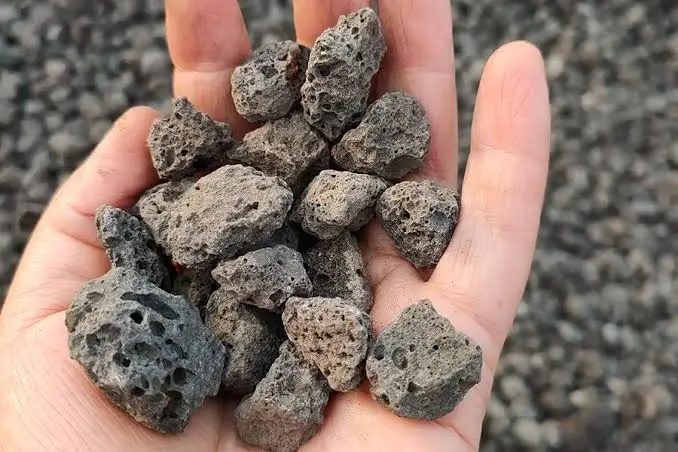
Furnace Slag: Metallurgy, Basicity Control, Process Performance, and Responsible Reuse
Furnace slag is a molten nonmetallic phase deliberately formed during ironmaking and steelmaking. It captures gangue, controls oxygen potential, protects metal, supports sulfur and phosphorus control, transfers heat, and interacts with furnace refractories. Blast furnace slag, basic oxygen furnace slag, and electric arc furnace slag are not interchangeable materials: composition, cooling route, mineralogy, free-lime risk, metallic iron content, density, particle size, and environmental testing determine their process value and potential downstream use.
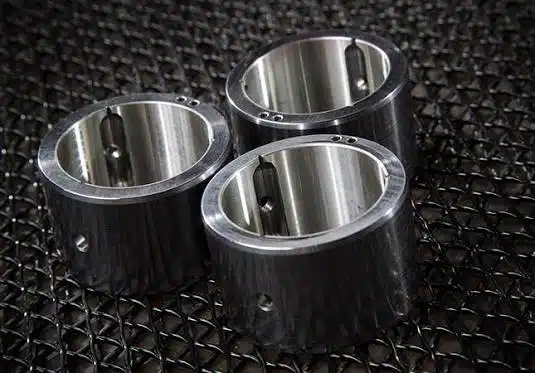
Babbitt Metal Bush: White-Metal Bearing Design, Alloy Selection, Relining, and Reliable Procurement
A Babbitt metal bush, also called a white-metal bearing bush, Babbitt-lined bearing, journal bearing shell, or plain bearing liner, combines a relatively soft bearing alloy with a rigid backing. This architecture remains important in turbines, compressors, generators, pumps, marine propulsion, rolling mills, gearboxes, and large rotating machinery because it supports hydrodynamic lubrication, tolerates controlled embedment, and can be inspected and renewed. The correct product is not defined by the word Babbitt alone: alloy family, backing, lining thickness, bond quality, oil system, shaft finish, clearance, load, speed, temperature, and repair history must be considered together.
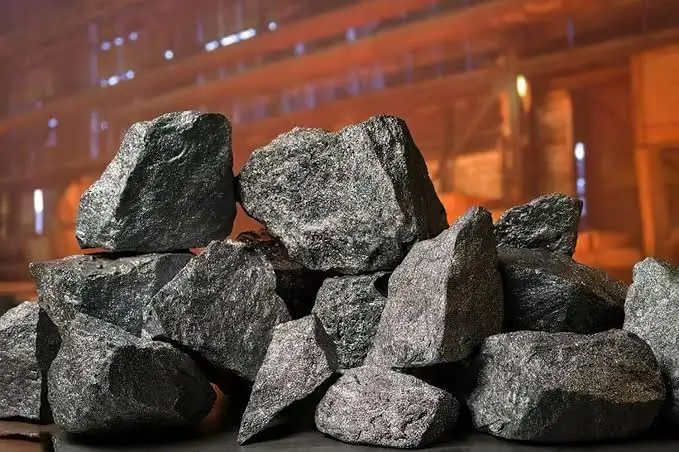
Ferroalloys: Alloy Additives, Smelting Metallurgy, Quality Control, and Global Steelmaking Supply
Ferroalloys are iron-based master alloys containing a high proportion of one or more alloying elements such as manganese, silicon, chromium, molybdenum, vanadium, titanium, niobium, tungsten, aluminum, or boron. They are added to steel and cast iron to control chemistry, deoxidation, hardenability, strength, corrosion resistance, wear resistance, grain refinement, and inclusion behavior. A reliable purchase specification must define alloy grade, target and maximum chemistry, carbon and impurity limits, size distribution, friability, moisture, packaging, sampling, certificates, and delivery condition.
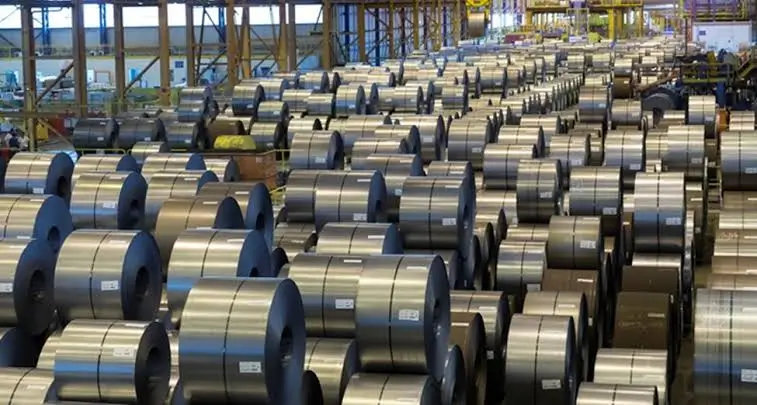
Electrical Steel: Silicon-Iron Metallurgy, Core Loss Control, Lamination Quality, and Global Procurement
Electrical steel, also called silicon steel, electrical silicon steel, lamination steel, or magnetic steel, is an iron-silicon soft magnetic material engineered for transformer cores, motors, generators, reactors, and electromagnetic devices. Its commercial value comes from low core loss, high permeability, controlled magnetic flux density, thin-gauge rolling, insulating coating, and repeatable processing. A correct specification must address orientation, grade, thickness, magnetic test condition, coating, width, edge condition, stamping route, annealing, packing, and traceability.
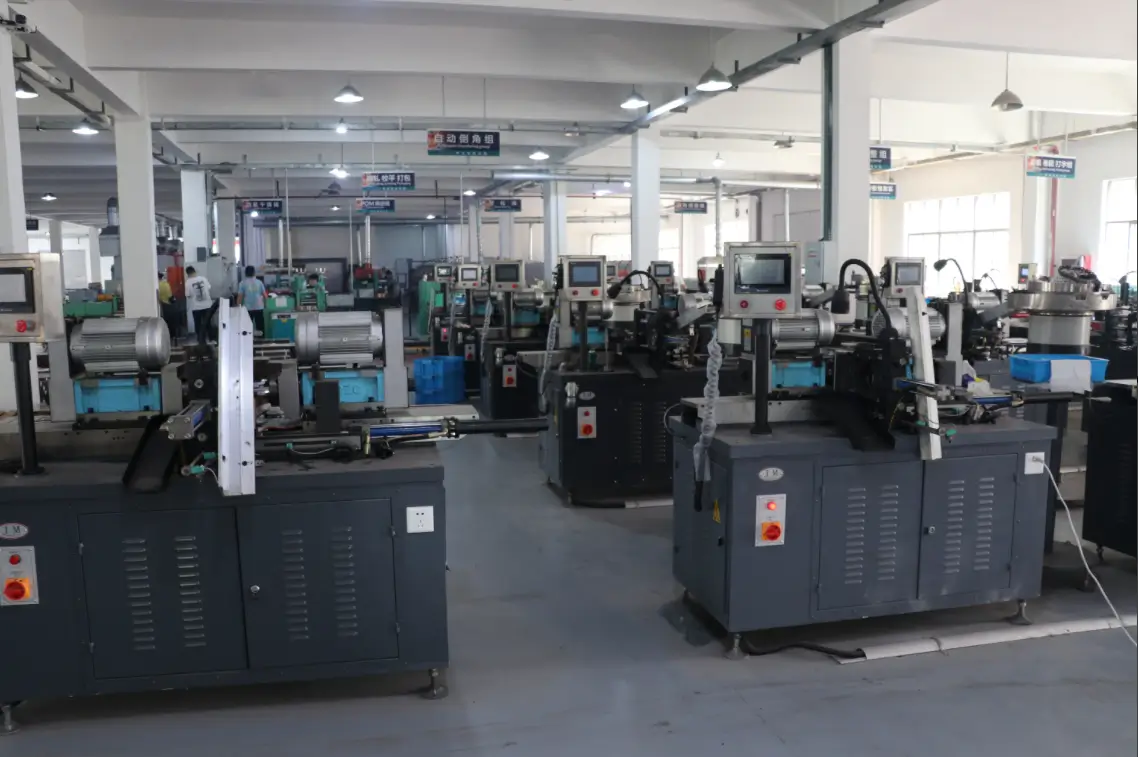
Link Bush: Metallurgical Materials, Precision Fits, Wear Control, and Reliable Linkage Performance
A link bush, also called a link bushing, linkage bush, suspension bushing, connecting-link bush, or clevis bushing, is a plain-bearing sleeve installed between a pin and a moving link. It controls clearance, carries oscillating load, protects the parent link, and provides a replaceable wear surface. Its performance depends on metallurgy, hardness, counterface finish, grease, fit, geometry, contamination control, and inspection evidence.
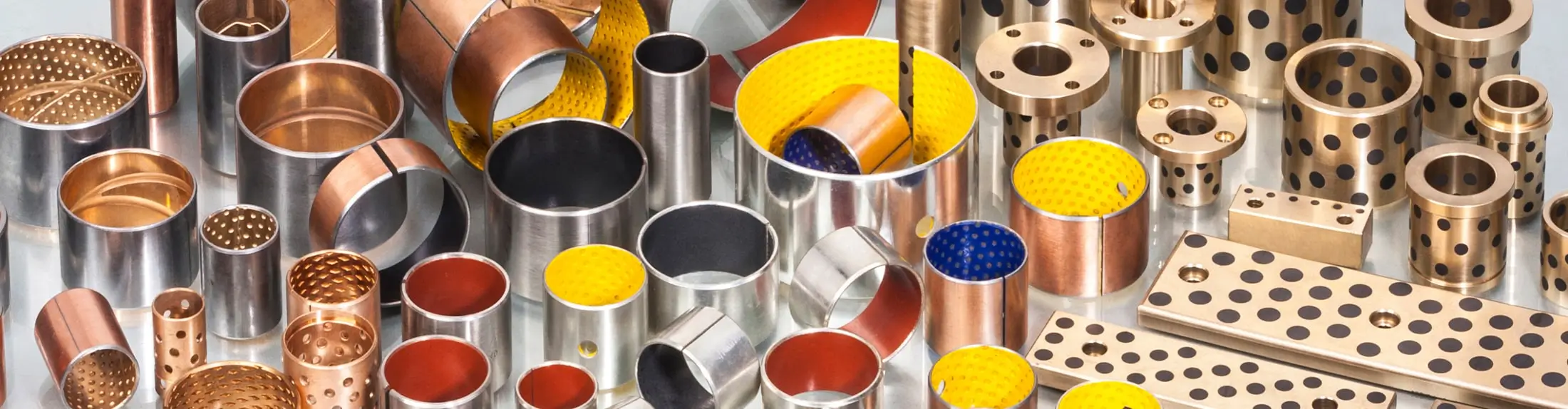
Babbitt Metal Bush: White-Metal Bearing Design, Alloy Selection, Relining, and Reliable Procurement
A Babbitt metal bush, also called a white-metal bearing bush, Babbitt-lined bearing, journal bearing shell, or plain bearing liner, combines a relatively soft bearing alloy with a rigid backing. This architecture remains important in turbines, compressors, generators, pumps, marine propulsion, rolling mills, gearboxes, and large rotating machinery because it supports hydrodynamic lubrication, tolerates controlled embedment, and can be inspected and renewed. The correct product is not defined by the word Babbitt alone: alloy family, backing, lining thickness, bond quality, oil system, shaft finish, clearance, load, speed, temperature, and repair history must be considered together.
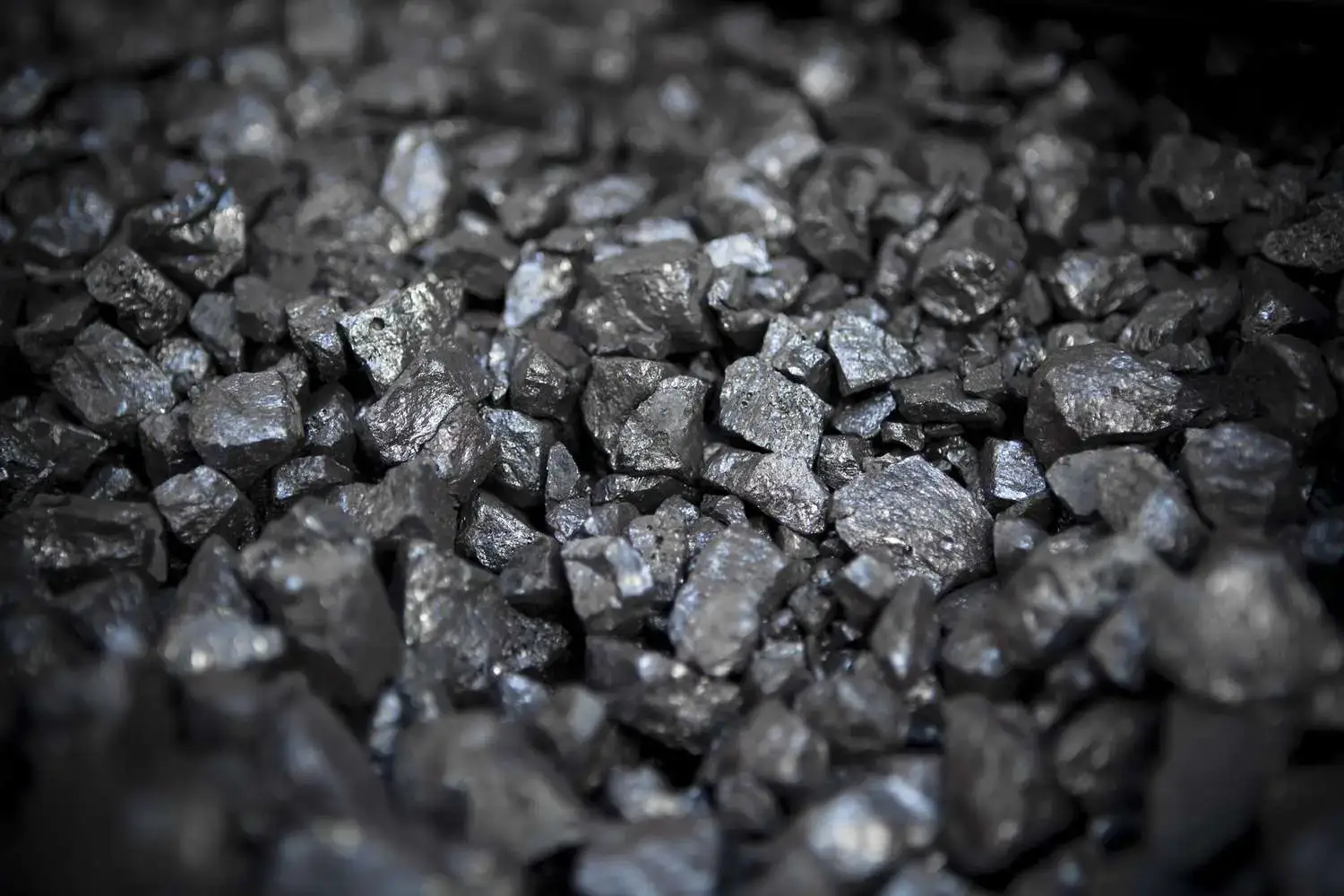
The Colour of Iron Metal: From Fresh Silver-Gray Surfaces to Oxides, Heat Tint, Cast Iron, and Coated Steel
The colour of iron metal is not one fixed colour. Freshly cut or polished iron and low-alloy steel are normally silver-gray to gray-white with metallic reflectance. In service, iron can appear black, blue-gray, brown, yellow, orange, red or matte gray because light interacts with oxide films, corrosion products, heat tint, graphite in cast iron, mill scale, roughness, coatings, oil and illumination. Visible colour is useful process evidence, but it is not a complete material-identification method.
For industrial customers, colour affects incoming inspection, corrosion assessment, heat-treatment control, surface-finish approval, paint preparation, pigment selection and architectural appearance. Reliable specifications identify the base metal, surface process, colour range, gloss, roughness, exposure and measurement method rather than use a broad term such as black iron or rust colour.
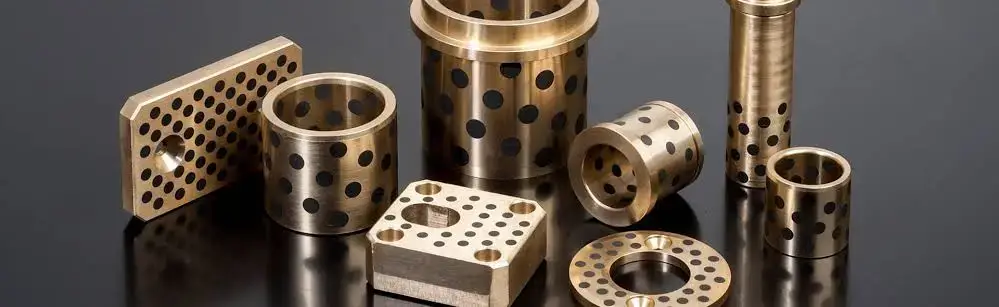
Split Bearing Bushes: Metallurgy, Shell Geometry, Lubrication Film, and Serviceable Heavy-Machinery Design
A split bearing bush, also called a split plain bearing, split sleeve bearing, bearing shell, split journal bearing, or split bearing bush, is made from two or more fitted shell halves that surround a rotating shaft or journal. The split form allows the bearing to be installed, inspected, scraped, replaced, or adjusted without removing a large shaft or dismantling an entire machine. It is common in turbines, generators, compressors, engines, gearboxes, rolling-mill drives, pumps, marine machinery, and large industrial transmissions.
The split line is only one part of the design. Reliable operation depends on the shell backing, babbitt or bronze sliding layer, oil holes, grooves, reliefs, crush, housing fit, journal surface, radial and axial clearance, alignment, oil-film formation, load direction, temperature, contamination, and assembly procedure.
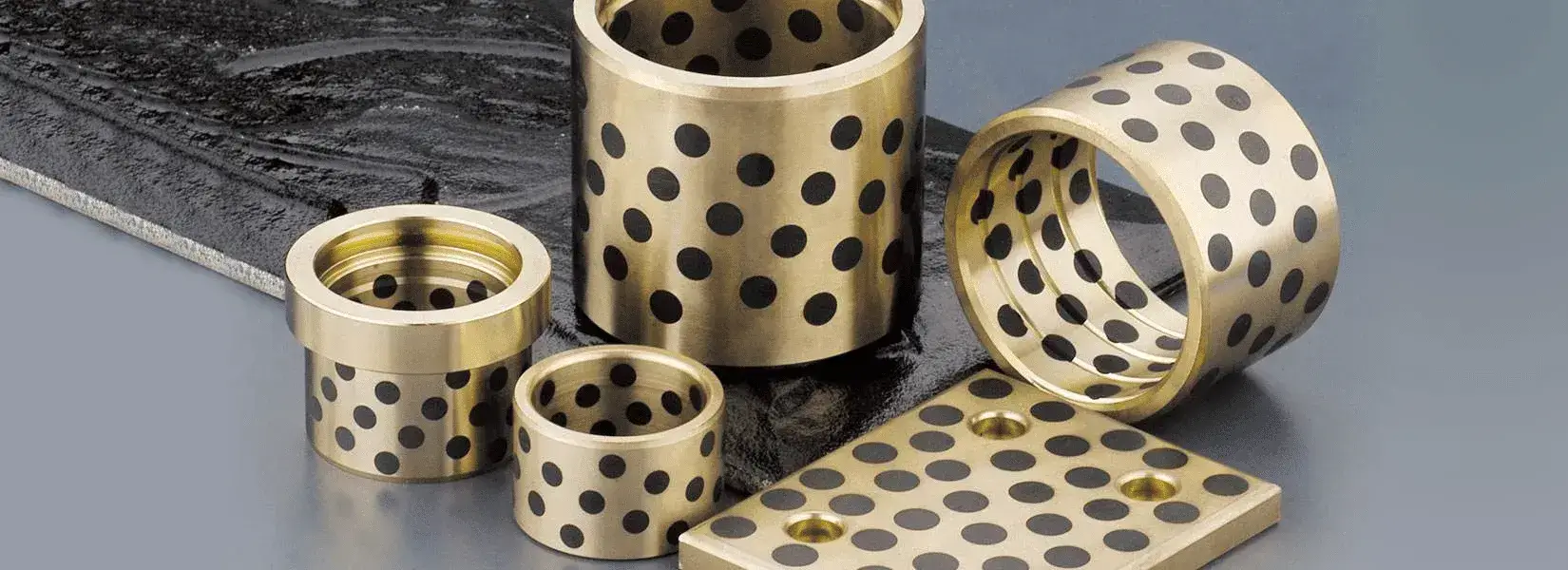
Graphite Plugged Bronze Bushings: Metallurgy, Solid-Lubricant Transfer, and Heavy-Duty Sliding Performance
A graphite plugged bronze bushing is a cast or continuously cast bronze plain bearing with machined pockets filled by graphite or an engineered solid lubricant. The bronze matrix carries the structural load while graphite transfers a low-friction film to the shaft or guide surface. This design is valuable where grease lines are inaccessible, oil contamination is unacceptable, movement is intermittent, or heavy sliding contact makes routine relubrication unreliable. It is also called a graphite bronze bushing, solid-lubricant bronze bearing, oilless bronze bushing, or self-lubricating bronze sleeve.
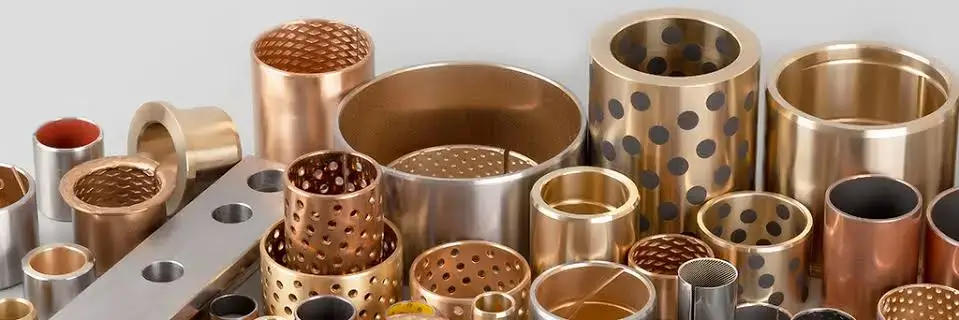
Self-Lubricating Bushings: Material Systems, Tribology, and Reliable Design for Dry-Running Motion
A self-lubricating bushing is a plain bearing designed to reduce friction and wear without a conventional external grease or oil line during normal service. It does not mean that every design is chemically identical, maintenance-free in every environment, or suitable for every load and speed. The term includes oil-impregnated sintered bronze bushings, steel-backed PTFE composite bearings, POM-lined bushes, graphite-plugged bronze bushes, solid-lubricant-dispersed bearings, engineered polymer bushes, and some fabric-lined spherical plain bearings. Each system stores, transfers, or presents lubricant differently.
Good selection starts with the motion and environment: radial or axial load, oscillation or rotation, speed, PV duty, temperature, shock, contamination, mating shaft hardness and finish, housing stiffness, clearance, corrosion, installation method, and service-life target.
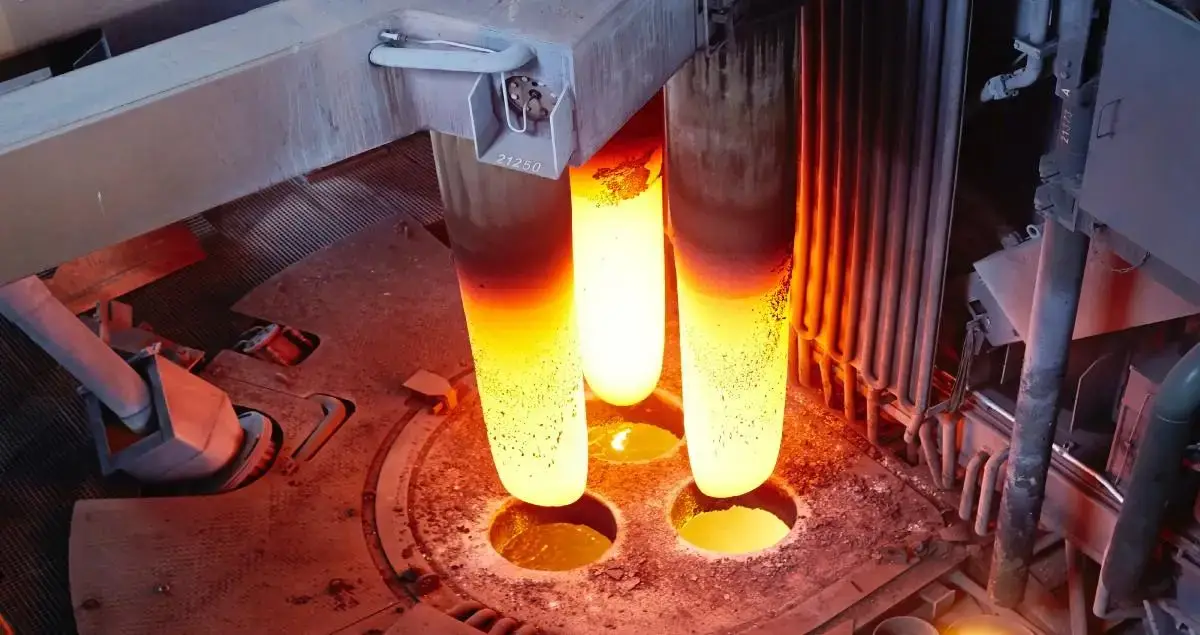
What Is DRI? Direct Reduced Iron, HBI, and the Metallurgical Value Behind Modern EAF Steelmaking
Direct reduced iron, usually abbreviated DRI and often called sponge iron, is an ore-based metallic iron feedstock made by removing chemically bound oxygen from iron oxide without melting the ore. The result is a porous, iron-rich product that can be used in electric arc furnace steelmaking, blast furnaces, basic oxygen furnaces, foundries, and selected ironmaking routes. DRI is increasingly important because it can supply low-residual iron units when scrap quality is limited and because direct reduction can be paired with natural gas, syngas, or hydrogen-based reducing gas.
A useful DRI discussion must go beyond the definition. Buyers need to understand metallization, total iron, gangue, carbon, sizing, fines, density, reoxidation, transport classification, HBI conversion, charging method, and melt-shop economics. A product with high iron content can still be a poor choice if it is not compatible with the EAF charge mix, storage system, furnace slag practice, logistics route, or desired steel grade.