
Recent Posts
Bronze vs. Brass Bushings: A Comprehensive Technical Comparison for Industrial Applications
Introduction
Bronze and brass represent two of the most widely utilized copper-based alloy families in industrial manufacturing. Despite their visual similarities and shared copper foundation, these materials exhibit fundamentally distinct metallurgical characteristics that dictate their suitability for specific engineering applications. For procurement engineers, maintenance managers, and design professionals engaged in bushing and bearing selection, understanding the nuanced differences between bronze and brass is a critical determinant of equipment reliability, operational longevity, and total cost of ownership. This comprehensive technical analysis examines bronze and brass through the lens of industrial bushing applications, providing actionable insights for informed material selection.
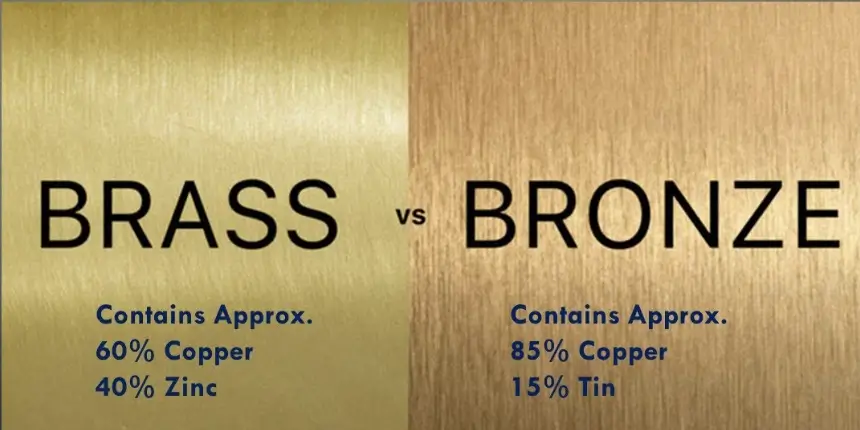
Table of Contents
1. Metallurgical Composition: The Fundamental Distinction
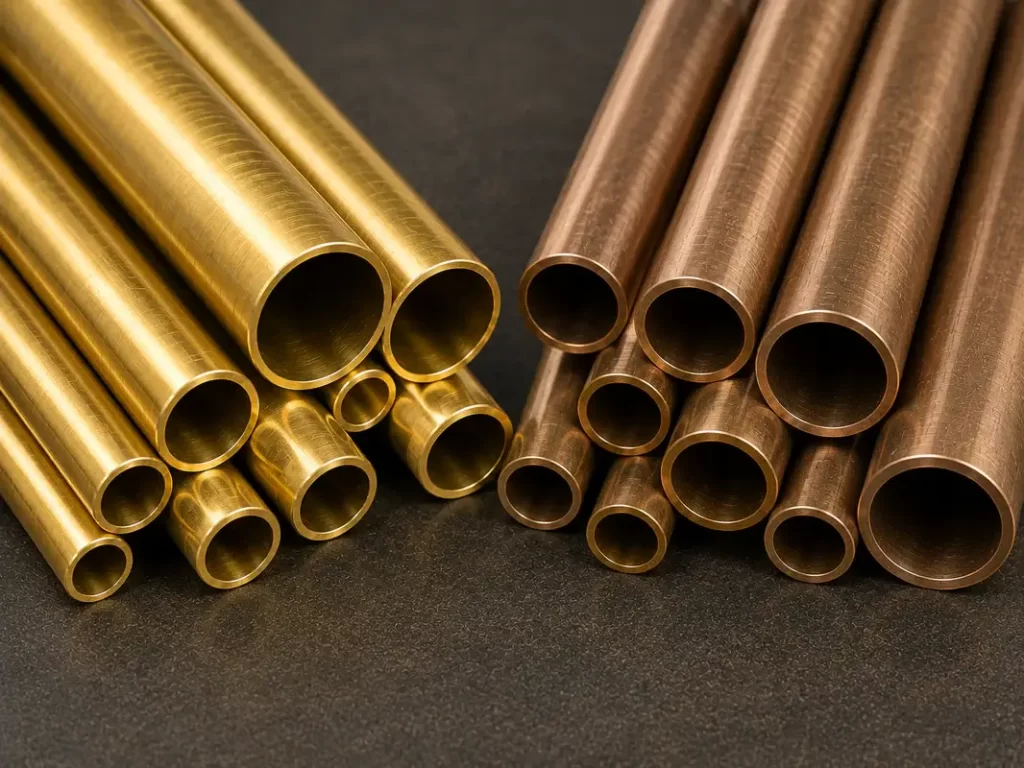
Bronze is primarily defined as a copper-based alloy in which tin serves as the principal alloying element. Typical bronze composition ranges from 80 to 95 percent copper with 5 to 15 percent tin, though contemporary metallurgical practice incorporates additional elements including aluminum, phosphorus, silicon, manganese, and lead to engineer specific property profiles. The bronze family encompasses several specialized subcategories: tin bronze (phosphor bronze) offering excellent wear resistance and fatigue strength; aluminum bronze featuring enhanced corrosion resistance and superior strength characteristics, particularly in marine environments; leaded bronze incorporating lead content to improve machinability and provide inherent lubricity; and silicon bronze offering exceptional corrosion resistance combined with good mechanical properties.
Brass, by contrast, constitutes a copper-zinc alloy system wherein zinc replaces tin as the primary alloying element. Contemporary brass compositions typically contain 55 to 95 percent copper with 5 to 45 percent zinc, frequently supplemented by lead, arsenic, phosphorus, silicon, manganese, or aluminum to modify specific properties. Notable brass variants include cartridge brass renowned for excellent cold-working characteristics, yellow brass balancing mechanical properties with cost-effectiveness, naval brass incorporating tin to enhance corrosion resistance in marine applications, and leaded brass engineered for superior machinability
2. Mechanical Properties: Strength, Hardness, and Load-Bearing Capacity
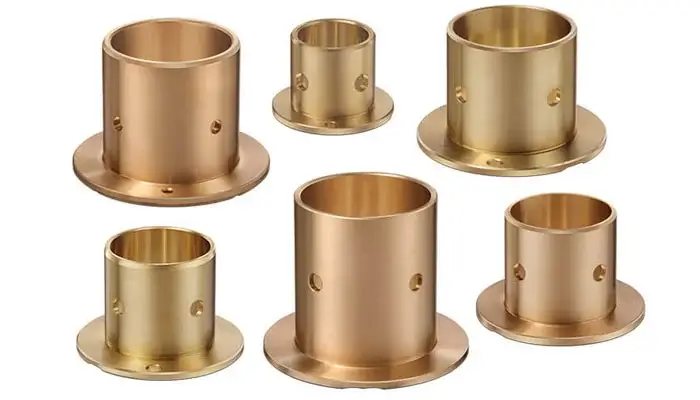
Bronze alloys generally demonstrate superior tensile strength compared to brass. Bronze tensile strength values typically range from 270 MPa to 740 MPa depending on specific alloy composition and temper condition, with aluminum bronze achieving ultimate tensile strengths approaching 740 MPa. Brass tensile strength spans approximately 230 MPa to 680 MPa.
The hardness differential is equally significant. Bronze bushings are harder and stronger compared with brass bushings, which are softer and thus more likely to deform or break. Bronze exhibits a Brinell hardness ranging from 60 to 190 depending on the alloy, while brass registers 70 to 90 HB. This hardness differential translates directly into load-bearing capacity—bronze bushings handle high loads (50 to 98 MPa) whereas brass bushings are suitable for moderate loads (up to 30 MPa).
Bronze alloys cannot be hardened or strengthened by heat treatment while bronze alloys generally can be temper-annealed for enhanced corrosion resistance. Brass has higher malleability than bronze, making it more formable and workable. This fundamental difference in mechanical behavior stems directly from their respective alloying systems and governs their respective application domains.
3. Wear Resistance and Friction Characteristics
Wear resistance represents perhaps the most critical performance parameter for bushing applications. Bronze offers excellent wear resistance, making it ideal for high-friction environments. The material’s ability to withstand sliding contact, abrasive conditions, and cyclic loading makes it the preferred choice for heavy-duty applications where component longevity is paramount. Bronze exhibits ultra-low metal-to-metal friction, a property that reduces energy loss and heat generation during operation.
Brass, while offering low friction characteristics, demonstrates lower wear resistance compared to bronze. This makes brass more suitable for environments with relatively low friction requirements, such as low-friction bearings and decorative applications. In bearing applications, brass can gall if used in demanding conditions, whereas bronze maintains its integrity under sustained sliding contact.
The wear resistance differential has profound implications for service life. In demanding applications, a bronze bushing can outlast three or four brass replacements. When factoring in labor costs, downtime, and replacement part expenses, the superior wear resistance of bronze often translates into lower total cost of ownership despite higher initial material costs
4. Corrosion Resistance: Environmental Durability
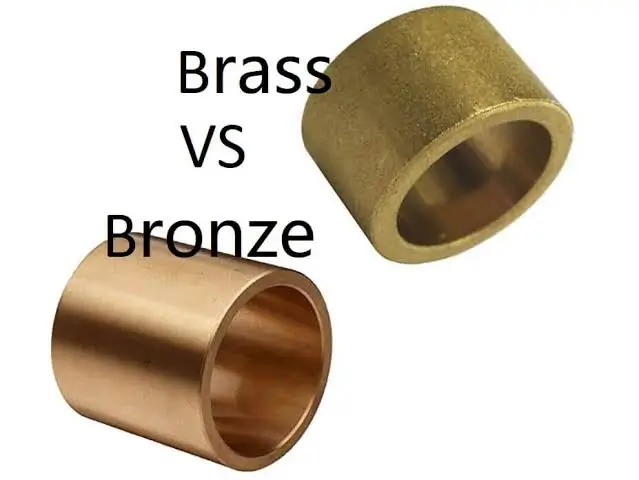
Bronze tends to have better corrosion resistance compared to brass—even when exposed to seawater. Bronze alloys offer excellent corrosion resistance against seawater and other water applications while maintaining high material strength. This makes bronze the material of choice for marine, offshore, seawater, fire protection, and any service where dezincification could compromise component integrity.
Brass performs well in mild environments, although saltwater exposure may cause dezincification—a corrosive process where zinc leaches out, leaving a porous, weak copper structure behind. Brass is susceptible to degradation when exposed to atmospheric moisture, with degradation accelerating in wet conditions.
Bronze grades generally can be temper-annealed for enhanced corrosion resistance, providing additional protection in aggressive environments. This corrosion resistance advantage makes bronze particularly valuable in applications involving chemical exposure, humid conditions, or outdoor installations where long-term durability is essential.
5. Machinability and Manufacturing Considerations
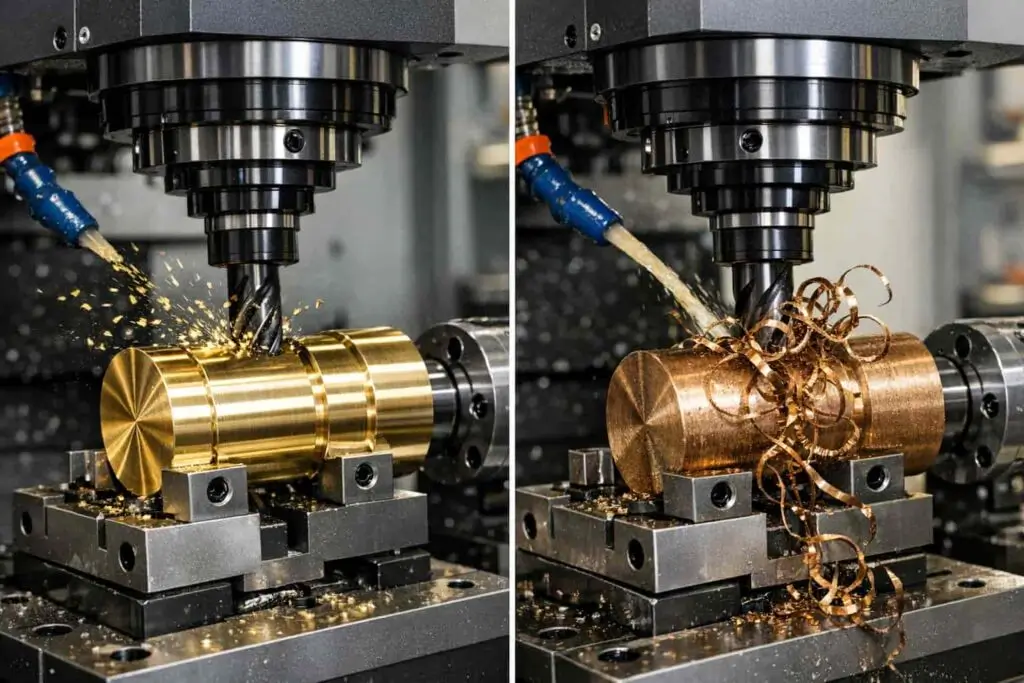
Most brass grades are readily machinable using standard tooling and techniques. Brass’s superior workability, machinability, and malleability make it easier to shape, cut, and form into complex geometries. This machinability advantage translates into lower manufacturing costs, faster production cycles, and greater design flexibility. Leaded brass grades, in particular, are engineered for superior machinability and are often termed “free-machining brass”.
Bronze grades, being stronger in general compared to brass, require higher cutting angles and rates but are still readily machinable. The increased strength and hardness of bronze necessitate more robust tooling and potentially longer machining times, contributing to higher production costs. However, for precision components requiring tight tolerances and superior mechanical properties, the additional machining effort is justified by the performance benefits.
6. Temperature Tolerance and Thermal Properties
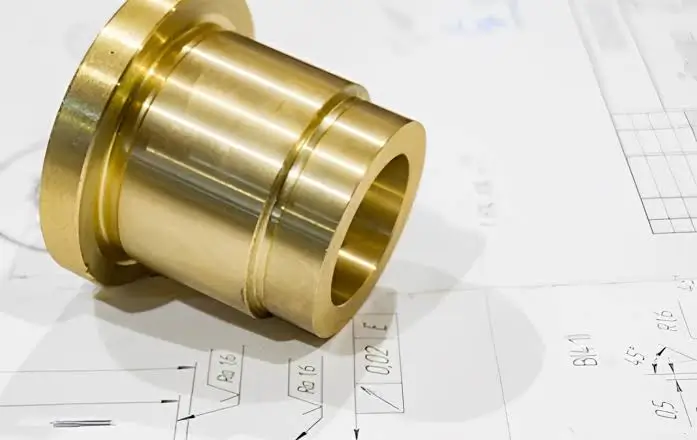
Bronze alloys offer product usage up to 750°F (approximately 400°C), maintaining structural integrity and mechanical properties at elevated temperatures. Bronze exhibits high thermal conductivity and remains stable under heat, making it suitable for applications involving sustained high-temperature operation. The material’s ability to dissipate heat effectively prevents localized overheating and thermal degradation of lubricants.
Brass has a lower melting point of approximately 900°C compared to bronze’s approximately 950°C. While brass can operate up to 900°C in self-lubricating configurations, its mechanical properties degrade more rapidly at elevated temperatures compared to bronze. The lower melting point of brass also limits its applicability in high-temperature environments where thermal stability is critical.
For applications involving temperature cycling, thermal shock, or sustained high-temperature operation, bronze’s superior thermal stability provides a significant reliability advantage.
7. Application Domains: Where Bronze Excels
Bronze bushings and bearings are commonly used in high-load, low-speed and heavy-duty applications and equipment across a wide range of industries.
Heavy Machinery and Construction Equipment: Bronze bushings serve in excavators, tractors, loaders, bulldozers, and construction machinery where high load-bearing capacity and wear resistance are essential. Applications include pivot points, rotating shafts, arm link bearings, and hydraulic cylinder components.
Aerospace: Bronze components are utilized in flight control systems, landing gear assemblies, and aircraft structural components where reliability under extreme conditions is non-negotiable.
Automotive: Bronze bushings find application in suspension systems, engine components, sway bars, control arms, and vehicle suspension components.
Marine and Offshore: Bronze’s exceptional seawater corrosion resistance makes it the standard for marine hardware, shipboard equipment, propeller shafts, and offshore platform components.
Mining and Energy: Bronze bushings are essential in mining equipment, wind turbine gearbox assemblies, hydroelectric turbine shafts, and oil and gas industry components.
Industrial Machinery: Bronze serves in machine tools, rolling mill spindles, hydraulic presses, pumps, and general industrial equipment requiring high strength and wear resistance.
Bronze bushings represent the industry standard for high-performance sliding bearings and bushings, offering excellent wear resistance, high strength, superior corrosion resistance, and good fatigue strength
8. Application Domains: Where Brass Excels
Brass bushings are best suited for low to moderate loads, including applications in automotive components, household appliances, and low-speed machinery.
Electrical Equipment: Brass exhibits good electrical conductivity, making it ideal for electrical connectors, terminals, and other electrical components. The material’s combination of conductivity and machinability makes it a cost-effective choice for electrical applications.
Plumbing and Fluid Handling: Brass bushings and fittings are commonly used in plumbing fixtures, valves, and fluid handling systems where corrosion resistance in mild environments is sufficient.
Light-Duty Machinery: Brass serves in small machinery, textile equipment, printing machinery, agricultural machinery, and fitness equipment where loads are moderate and cost considerations are important.
Cost-Sensitive Projects: Brass is generally more affordable compared to bronze, with relatively low manufacturing costs making it an ideal choice in scenarios where performance and budget need to be balanced. Mass production applications benefit from brass’s excellent machinability, which reduces labor costs.
Decorative and Architectural Applications: Brass’s aesthetic appeal and corrosion resistance in mild environments make it suitable for decorative hardware, architectural elements, and consumer goods
9. MYWAY: Precision-Engineered Bronze and Brass Bushing Solutions
At MYWAY, we specialize in transforming premium bronze and brass into precision-engineered bushings, bearings, and custom components trusted by global industries. As a mature bushing production factory, MYWAY provides various types of bushings perfectly suitable for Caterpillar, Komatsu, Volvo CE, Sandvik, Metso, and other major equipment brands.
Comprehensive Product Portfolio: MYWAY offers an extensive range of bushing solutions including composite bushings, bimetal bushings, wrapped bronze bushings, graphite-plugged bushings, specialty copper bushings, steel bushings, and powder metallurgy bushings. Our wrapped bronze bearings are manufactured from high-density copper alloy (CuSn8P) and can be customized with surface patterns including diamond or hemispherical oil pockets, lubrication grooves, or uniformly distributed lubrication holes.
Self-Lubricating Technologies: MYWAY graphite dry bushings are self-lubricating bearings that eliminate the need for external oil or grease, combining a strong bronze or brass matrix with embedded solid graphite plugs that continuously release lubricant during operation. MYWAY PTFE bronze bushings are completely self-lubricating, with PTFE plugs or liners providing permanent lubrication for the life of the bearing. These maintenance-free solutions reduce labor costs, eliminate downtime for lubrication, and minimize the risk of human error.
Application-Specific Engineering: MYWAY’s composite solutions are engineered to solve modern challenges of maximum uptime, zero maintenance, and extreme durability. Our products feature resistance to mud and sand wear, high load-bearing capacity, and easy replacement. MYWAY composite bushings are often designed as drop-in replacements for standard bronze sizes, facilitating seamless integration into existing equipment.
Quality and Reliability: All MYWAY products are manufactured from high-grade copper alloys, ensuring reliable performance in harsh conditions and reducing the need for frequent replacements. With over 2,000 bushing molds and three production bases, MYWAY delivers consistent quality and rapid response to customer requirements.
Cost-Effective Performance: While bronze may have higher initial cost compared to brass, MYWAY’s engineered solutions deliver superior total cost of ownership through extended service life, reduced maintenance requirements, and minimized downtime. Our comprehensive understanding of material properties and application requirements enables us to recommend the optimal solution for each unique operating condition.
Frequently Asked Questions
Q1: Is bronze actually better than brass for bushings?
In most high-load, high-wear applications, yes. Bronze generally offers superior strength, better wear resistance, and higher corrosion resistance compared to brass, making it more suitable for demanding bushing applications. However, for light-duty applications where cost and machinability are primary concerns, brass may be the appropriate choice.
Q2: Can brass bushings be used in marine environments?
Brass can lose its zinc in saltwater through a process called dezincification, which compromises structural integrity. For marine applications, bronze is strongly recommended due to its superior seawater corrosion resistance.
Q3: Which material offers better value over the equipment lifecycle?
While bronze has higher initial cost, a bronze bushing can outlast three or four brass replacements in demanding applications. When factoring in labor costs, downtime, and replacement part expenses, bronze often delivers superior total cost of ownership.
Q4: What are self-lubricating bushings and when should they be used?
Self-lubricating bushings incorporate solid graphite plugs or PTFE liners that continuously release lubricant during operation, eliminating the need for external oil or grease. They are ideal for applications where lubrication is difficult to access, maintenance access is limited, or zero-maintenance operation is required.
Q5: How do I select the right bushing material for my application?
Selection should consider load requirements, operating speed, environmental conditions (temperature, moisture, chemical exposure), lubrication availability, maintenance constraints, and budget. Consulting with an engineering specialist can help determine the most suitable material for specific needs.
Q6: What bronze alloys does MYWAY commonly use for bushings?
MYWAY utilizes various bronze alloys including tin bronze (phosphor bronze) for excellent wear resistance, aluminum bronze for high strength and corrosion resistance, leaded tin bronze (C93200/SAE 660) for self-lubricating properties, and CuSn8P for wrapped bronze bearings.
Q7: Are MYWAY bushings compatible with major equipment brands?
Yes, MYWAY bushings are perfectly suitable for Caterpillar, Komatsu, Volvo CE, Sandvik, Metso, and other major equipment brands, and are often designed as drop-in replacements for standard sizes
100000+ Types of Bushings – Contact Us for Details