aluminum bronze

Bronze Copper and Brass Compared for Industrial Parts and Bushings
Interpretation of Bushing Knowledge

Bronze Copper and Brass Compared for Industrial Parts and Bushings

An old drawing says “copper bush.” The part in your hand looks yellow. A supplier offers bronze, while another quotes brass. Before comparing the prices, you have a more basic problem to sort out: are these offers even for the same material?
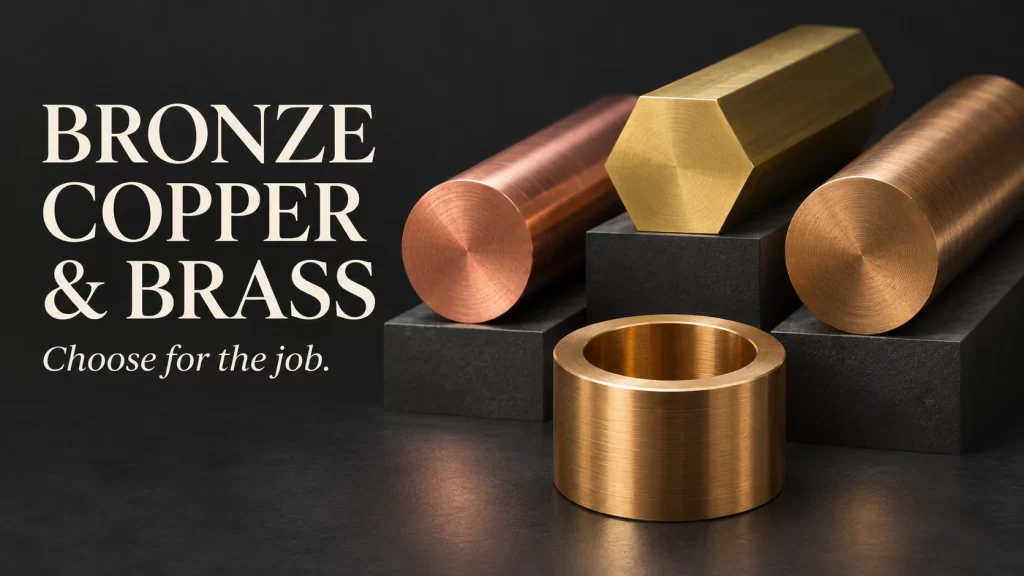
A search for bronze, copper and brass will turn up plenty of color charts. They help with the names, but they won’t settle that drawing. For that, you need to know the alloy and what the part is expected to do. An electrical bar and a bearing sleeve may both contain mostly copper, without having much else in common as engineering choices.
Here we will work through the questions behind the comparison, from color and conductivity to machining and bushing selection. The aim is to help you ask for a part that fits the job, with enough detail for a supplier to quote it properly.
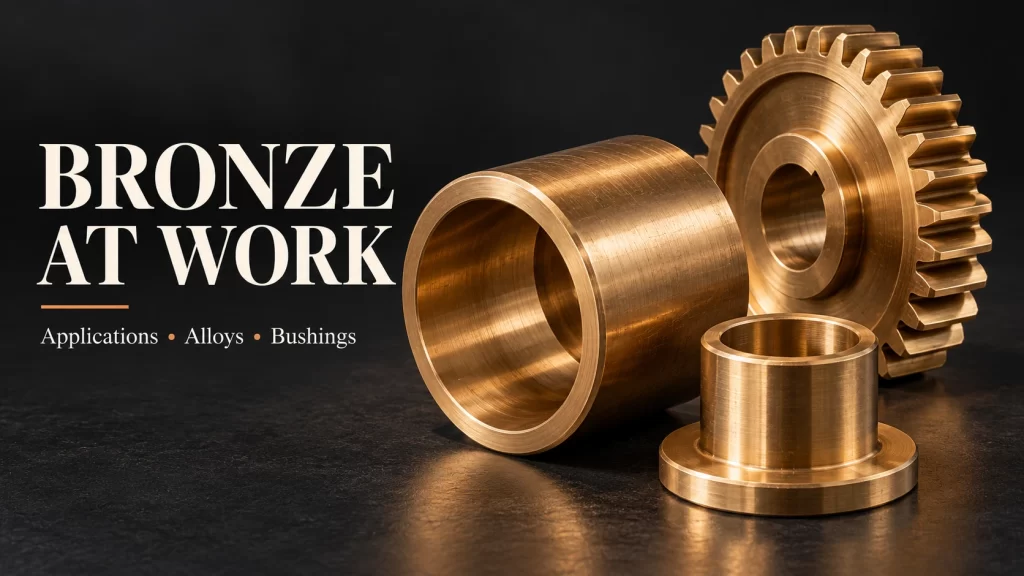
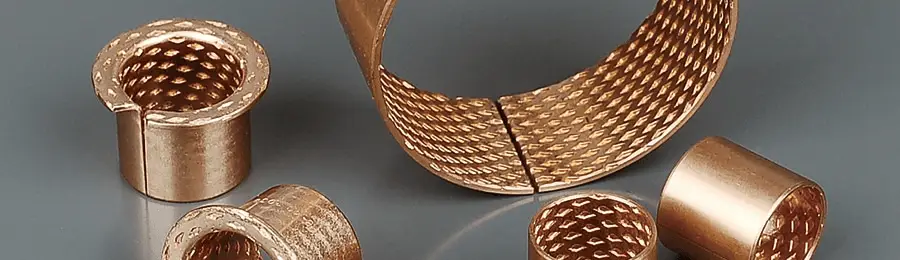
Applications of Bronze From Marine Hardware to Machine Bushings
Interpretation of Bushing Knowledge

Applications of Bronze From Marine Hardware to Machine Bushings

A boat propeller and a small electrical contact might not seem to have much in common. Neither looks much like a bronze statue. Yet bronze alloys have a place in all three, as they do in gears, cymbals and the plain bearings hidden inside machinery. The word covers rather more than that familiar brown metal finish suggests.
The confusion starts when that broad list becomes a purchasing specification. “Bronze sleeve, same as the old one” sounds clear enough until someone asks which bronze, what bore tolerance, or why the old sleeve wore out. Those are reasonable questions, and they rarely get answered by a catalog photograph.
For a buyer, it helps to separate two things: the jobs bronze is commonly used for, and the information needed to order a particular component. We’ll look at both here. Bushings deserve some extra attention because a small, apparently simple part can raise quite a few questions once you get beyond its outside dimensions.

The Metallurgical Engineering of Bronze Sleeve Bearings: Alloy Selection, Load Dynamics, and Industrial Application
Interpretation of Bushing Knowledge

The Metallurgical Engineering of Bronze Sleeve Bearings: Alloy Selection, Load Dynamics, and Industrial Application

Bronze sleeve bearings, classified as plain bearings or journal bearings, constitute a foundational component within mechanical engineering, providing a critical interface for rotating or linear motion between a shaft and a housing. Functioning as bushings, these components leverage the inherent tribological advantages of copper-based alloys to reduce friction, manage heat dissipation, and absorb operational loads. The extensive utility of bronze sleeve bearings, from automotive powertrains and heavy construction equipment to precision machine tools and marine propulsion systems, is attributable to the versatile metallurgical properties of bronze. Unlike rolling element bearings that rely on point contact, sleeve bearings employ a larger surface contact area, enabling them to support significant radial loads, accommodate shock loading, and offer resistance to mechanical wear

MYWAY Metal Bushing: High-Performance Wear Solutions for Heavy-Duty Machinery
Interpretation of Bushing Knowledge

Thermal Metallurgy in Motion: The Critical Role of Alloy Melting Behavior in Bushing Performance and Reliability

In the demanding environments of heavy industry, the melting characteristics of metallic alloys serve as the fundamental determinant of component longevity. While operational temperatures never intentionally approach the melting threshold, the margin between standard operating conditions and the solidus point of an alloy defines the safety buffer against thermal degradation, friction-induced heat spikes, and catastrophic failure. This principle carries particular significance in the metallurgy sector, where rolling mills, casting equipment, and extrusion presses subject bearings and bushings to extreme loads, elevated temperatures, and continuous operation.

MYWAY Bushing: Top 5 Bushing and Bearing Manufacturers in China
Interpretation of Bushing Knowledge

The Weight of Performance: Why Bronze Remains the Heavyweight Champion in Industrial Bearing Applications

In the realm of heavy-duty industrial engineering, material selection is never a trivial decision. Among the myriad options available, bronze has endured as a trusted cornerstone—not despite its density, but precisely because of it. The question “Is bronze heavy?” often arises in procurement and design discussions, yet the answer extends far beyond a simple measurement of mass. This article explores why the “heaviness” of bronze is, in fact, its greatest engineering asset. From load capacity and wear resistance to thermal management and corrosion protection, we examine the functional advantages that make bronze the material of choice for demanding bushing applications. We also introduce MYWAY Bushings as a premier solution that harnesses these inherent properties to deliver reliability, longevity, and superior total cost of ownership.

Graphite Dry Bushings: The Complete Guide to Self-Lubricating Bearing Technology
Interpretation of Bushing Knowledge

Bronze Components: The Engineering Backbone of Modern Industry

Bronze components represent one of the oldest and most reliable material solutions in mechanical engineering. As a copper-based alloy primarily composed of copper and tin, bronze has maintained its relevance in modern industry due to its exceptional combination of mechanical properties. Bronze components—including bronze bearings, bronze bushings, bronze sleeves, and bronze gears—continue to serve as critical elements in machinery across virtually every industrial sector. The enduring utility of bronze components stems from their outstanding wear resistance, corrosion resistance, and ability to withstand high loads under demanding operating conditions. Modern bronze alloys incorporate additional elements such as lead, nickel, phosphorus, aluminum, and manganese, each enhancing specific properties for targeted applications

Bronze and Copper in Industrial Applications: A Comprehensive Guide to Alloy Selection and High-Performance Bushings
Interpretation of Bushing Knowledge

Bronze and Copper in Industrial Applications: A Comprehensive Guide to Alloy Selection and High-Performance Bushings

Bronze and copper represent two of the most foundational materials in industrial engineering. As “red metals,” they have served manufacturing, construction, marine, and mechanical sectors for millennia. While copper exists in its pure elemental form with exceptional thermal and electrical conductivity, bronze emerges as a copper-tin alloy engineered for superior strength, hardness, and corrosion resistance. Understanding the functional distinctions between these materials is essential for engineers, procurement specialists, and maintenance professionals seeking optimal component performance.

Bronze Gears: The Engineering Backbone of Heavy-Duty Power Transmission
Interpretation of Bushing Knowledge

Bronze Gears: The Engineering Backbone of Heavy-Duty Power Transmission

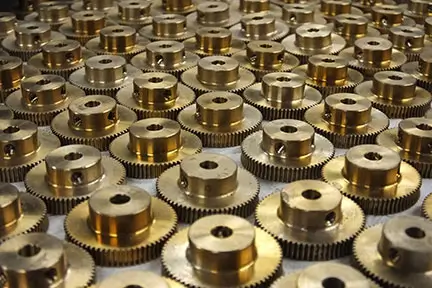
Bronze gears represent one of the most enduring and reliable solutions in mechanical power transmission. While steel gears dominate high-speed, high-load applications, bronze gears occupy a critical niche where low friction, corrosion resistance, and exceptional wear characteristics are paramount. From marine propulsion systems to aerospace landing gear assemblies, bronze gears continue to prove their value across industries that demand uncompromising performance in challenging environments.

Bronze vs. Brass: A Comprehensive Technical Comparison for Industrial Bushing Applications
Interpretation of Bushing Knowledge

Bronze vs. Brass: A Comprehensive Technical Comparison for Industrial Bushing Applications

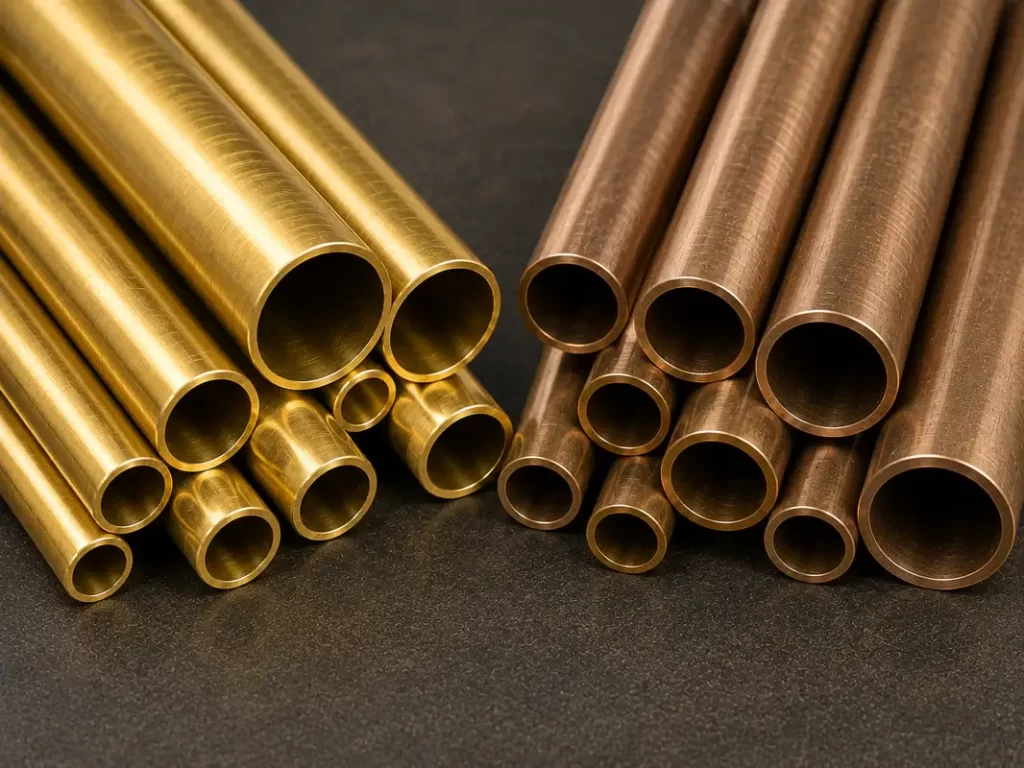
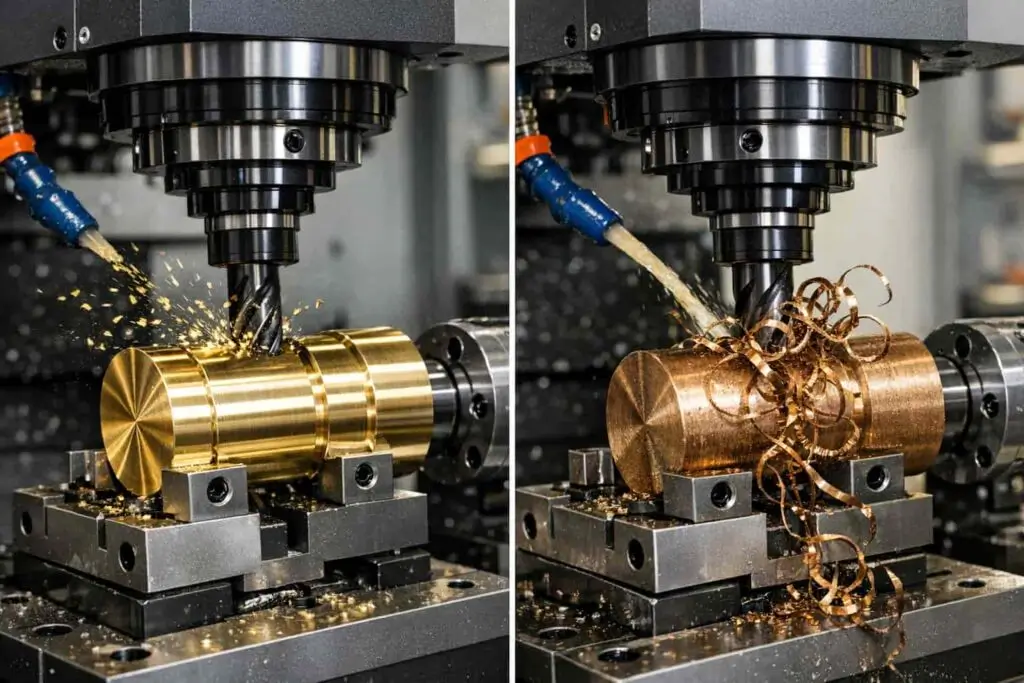
Bronze and brass represent two of the most widely utilized copper-based alloy families in industrial manufacturing. Despite their visual similarities and shared copper foundation, these materials exhibit fundamentally distinct metallurgical characteristics that dictate their suitability for specific engineering applications. For procurement engineers, maintenance managers, and design professionals engaged in bushing and bearing selection, understanding the nuanced differences between bronze and brass is not merely an academic exercise—it is a critical determinant of equipment reliability, operational longevity, and total cost of ownership.

Copper Bushings in Water: Unlock Reliability in Marine, Hydraulic & Submerged Applications
Interpretation of Bushing Knowledge

Comprehensive Analysis of Bronze Properties: Metallurgy, Mechanical Performance, and Industrial Applications

Bronze, one of the earliest engineered alloys in human history, remains a cornerstone material in contemporary mechanical engineering. This technical article provides a systematic examination of bronze metallurgy—primary base metals, alloying elements, and their influence on mechanical, tribological, and physical properties. The discussion encompasses historical context, classification of major bronze families (phosphor bronze, aluminum bronze, leaded bronze, manganese bronze, and silicon bronze), comparative analysis with brass and pure copper, and the specific engineering rationale for bronze dominance in high-reliability bushing and bearing applications.

Scroll to Top