aluminum bronze

Graphite Dry Bushings: The Complete Guide to Self-Lubricating Bearing Technology
Interpretation of Bushing Knowledge

Composition of Bronze: Alloying Elements, Material Properties, and Industrial Applications

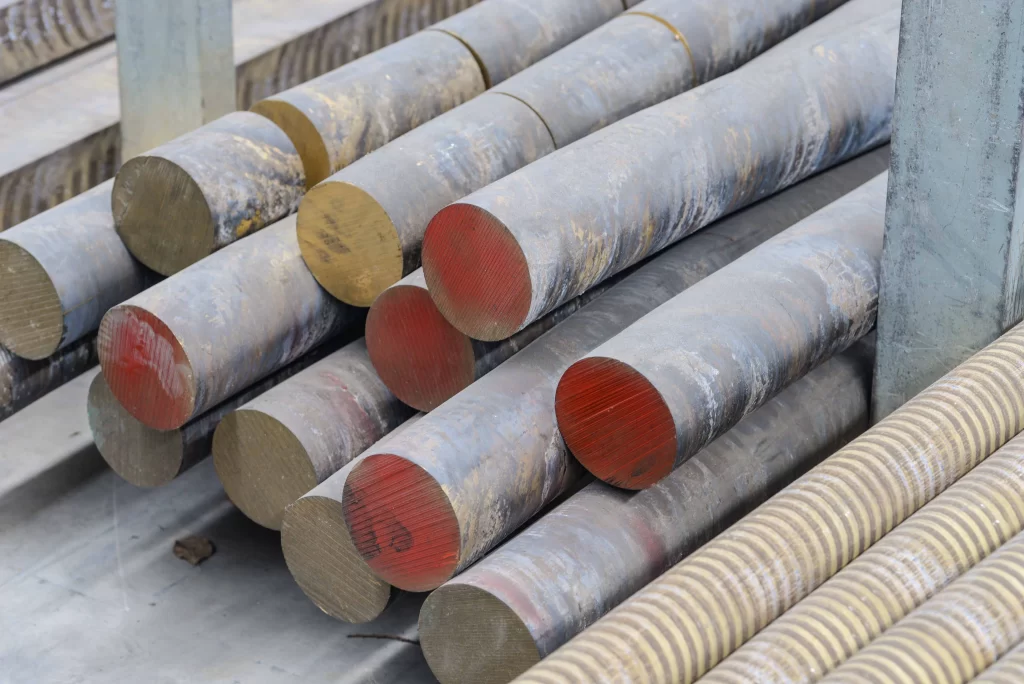
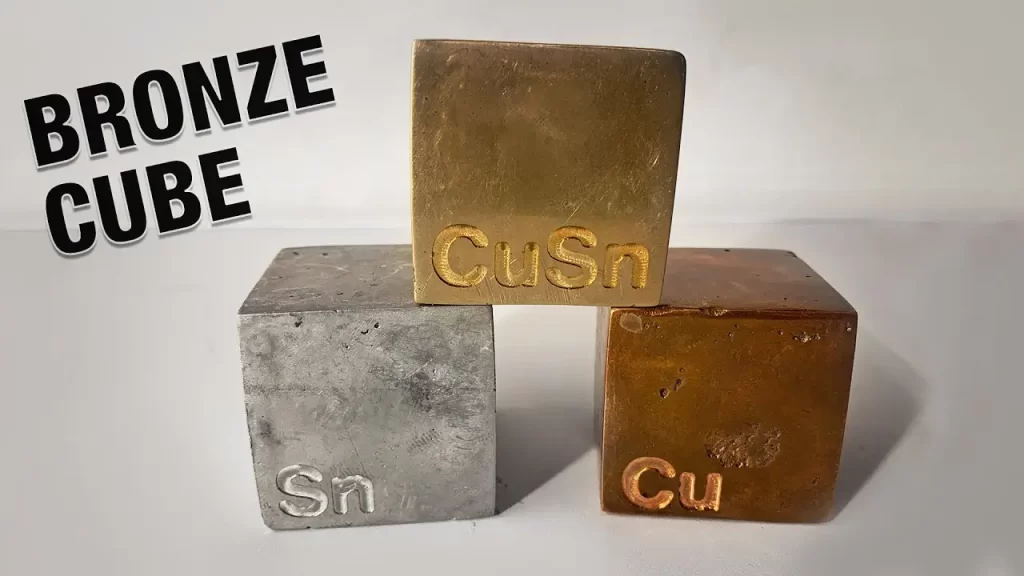
The composition of bronze is a subject of ongoing relevance in metallurgy and industrial engineering. While many recognize bronze as an alloy of copper and tin, the precise formulation varies significantly depending on the intended application. Bronze is not a single material but rather a family of copper-based alloys, each tailored for specific mechanical, chemical, or physical requirements.

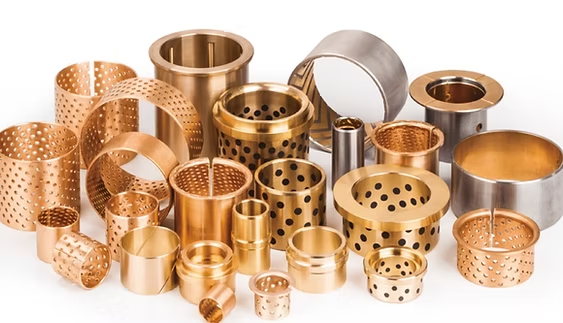
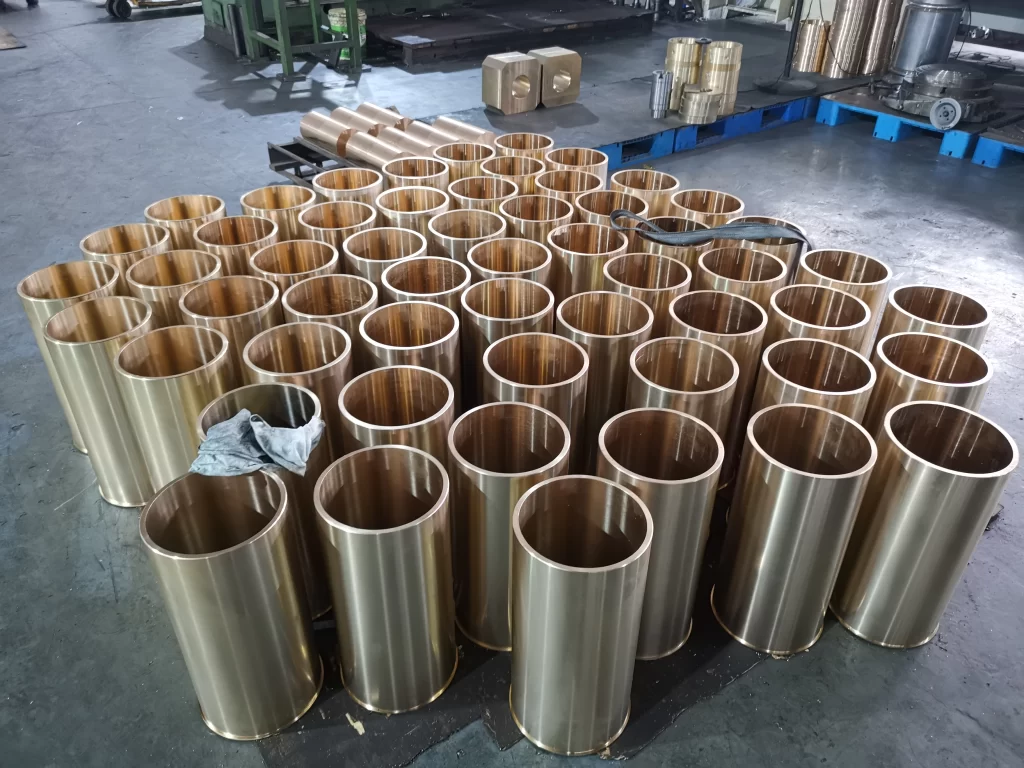
This document provides a comprehensive analysis of bronze composition, ranging from its historical origins to modern engineering alloys. Emphasis is placed on bronze alloys commonly used in bushing and bearing applications. For organizations seeking high-performance bronze bushings, MYWAY offers custom-engineered solutions backed by decades of manufacturing experience.
The Definitive Guide to Bronze Material: Composition, Properties, and Industrial Applications
Interpretation of Bushing Knowledge

The Definitive Guide to Bronze Material: Composition, Properties, and Industrial Applications

The global sliding bearing market, valued at USD 1.41 billion in 2025, is projected to expand at a CAGR of 6.7% to reach USD 2.53 billion by 2034. Within this growing landscape, bronze material remains the cornerstone of high-performance bearing and bushing engineering. Engineers and procurement specialists who comprehend the technical nuances of bronze alloys gain a decisive advantage in specifying components that maximize operational longevity while minimizing total cost of ownership.

Key Elements in Bronze: How Alloying Elements Shape Its Properties & Uses
Interpretation of Bushing Knowledge

Key Elements in Bronze: How Alloying Elements Shape Its Properties & Uses

Bronze stands as one of humanity’s oldest and most versatile metal alloys, with a history spanning over 5,000 years. From ancient Bronze Age tools and sculptures to modern industrial components like bearings, bushings, and marine hardware, this copper-based alloy delivers unmatched durability, corrosion resistance, and mechanical performance. But what exactly makes bronze so adaptable? The answer lies in its chemical composition—specifically, the mix of core and alloying elements that tailor its traits for every application.

Copper vs Bronze: Key Differences & Why MYWAY Bushings Are Your Best Choice
Interpretation of Bushing Knowledge

Copper vs Bronze: Key Differences & Why MYWAY Bushings Are Your Best Choice

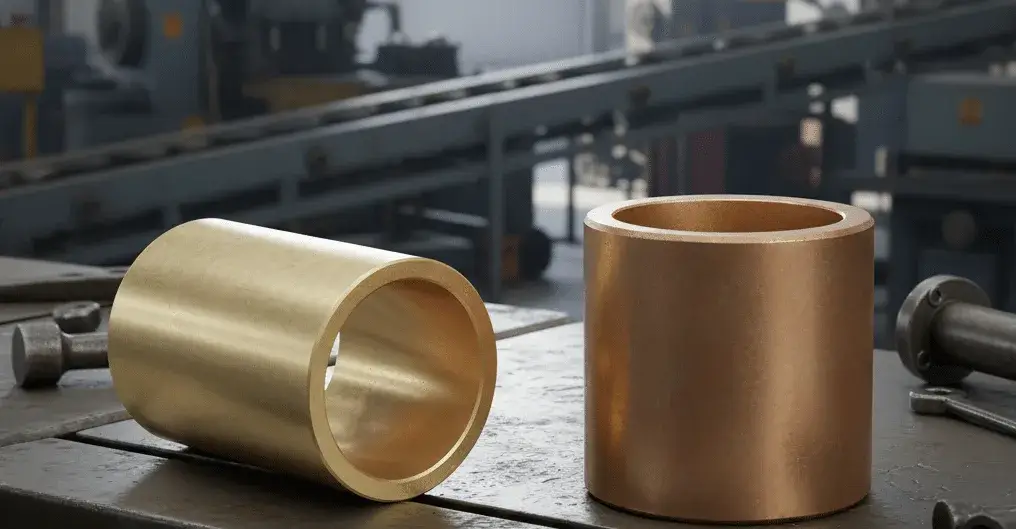
When it comes to industrial components such as bushings, bearings, sleeves, and structural parts, copper and bronze are two of the most widely used non-ferrous metals. Many buyers and engineers often confuse them because both have a reddish color and are based on copper. However, their composition, hardness, wear resistance, load capacity, and service life are completely different. Choosing the wrong material can lead to rapid wear, frequent breakdowns, higher maintenance costs, and even equipment failure. In this article, we explain in detail the differences between copper and bronze, their suitable applications, and why MYWAY bronze bushings are the most reliable solution for heavy-duty working conditions.

MYWAY Bronze & Brass: The Ultimate Guide to Copper Alloys & High-Performance Bushings
Interpretation of Bushing Knowledge

MYWAY Bronze & Brass: The Ultimate Guide to Copper Alloys & High-Performance Bushings

When it comes to industrial metals, bronze and brass stand out as two of the most versatile, time-tested copper alloys—often called “red metals” for their distinct reddish-gold hues. For over 5,000 years, these materials have shaped engineering, art, and manufacturing, and today they remain irreplaceable in machinery, plumbing, automotive, marine, and electrical sectors. At MYWAY, we specialize in transforming premium bronze and brass into precision-engineered bushings, bearings, and custom components trusted by global industries. In this comprehensive guide, we break down brass vs. bronze: their composition, properties, applications, and why MYWAY alloy bushings are the top choice for heavy-duty, long-lasting performance.

The Sound of Metal: Why Casting Defines a Great Bushing
Bronze Bushing

The Sound of Metal: Why Casting Defines a Great Bushing

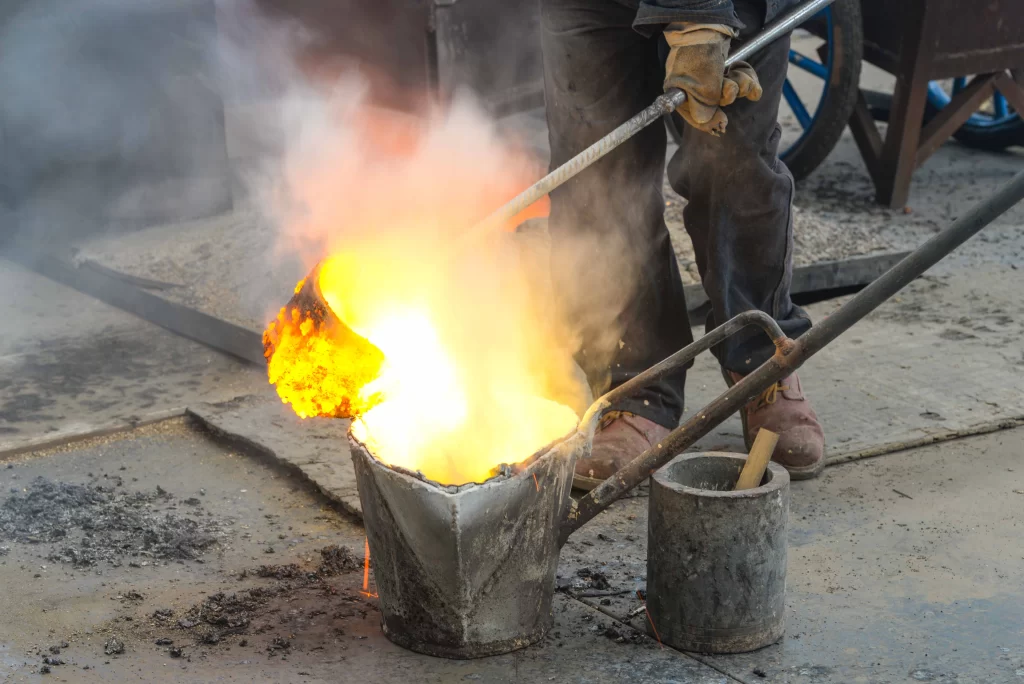
Walk through any heavy industrial plant—a steel mill, a mining operation, a working port—and you’ll hear it. Buried beneath the roar of engines and the clank of conveyors, there’s a deeper, more rhythmic sound. It’s the sound of metal meeting metal, of brute force channeled into precision movement. At the heart of that sound, quite often, is a simple component doing an impossibly hard job: a bushing.

Scroll to Top