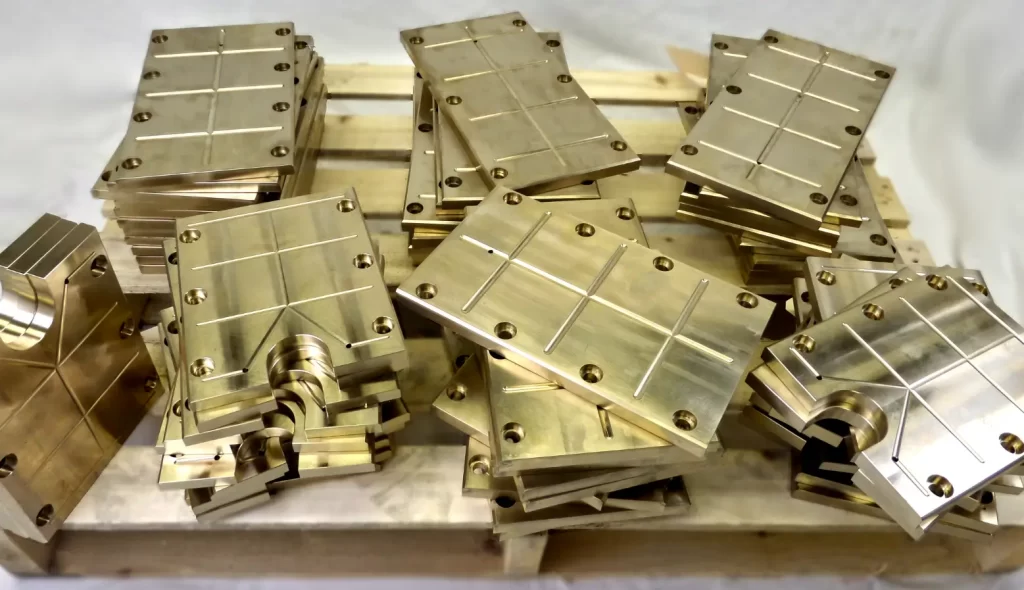
C95400 aluminum bronze

How to Choose the Right Excavator Bushing for Every Job: A Complete Material Selection Guide
Interpretation of Bushing Knowledge

How to Choose the Right Excavator Bushing for Every Job: A Complete Material Selection Guide

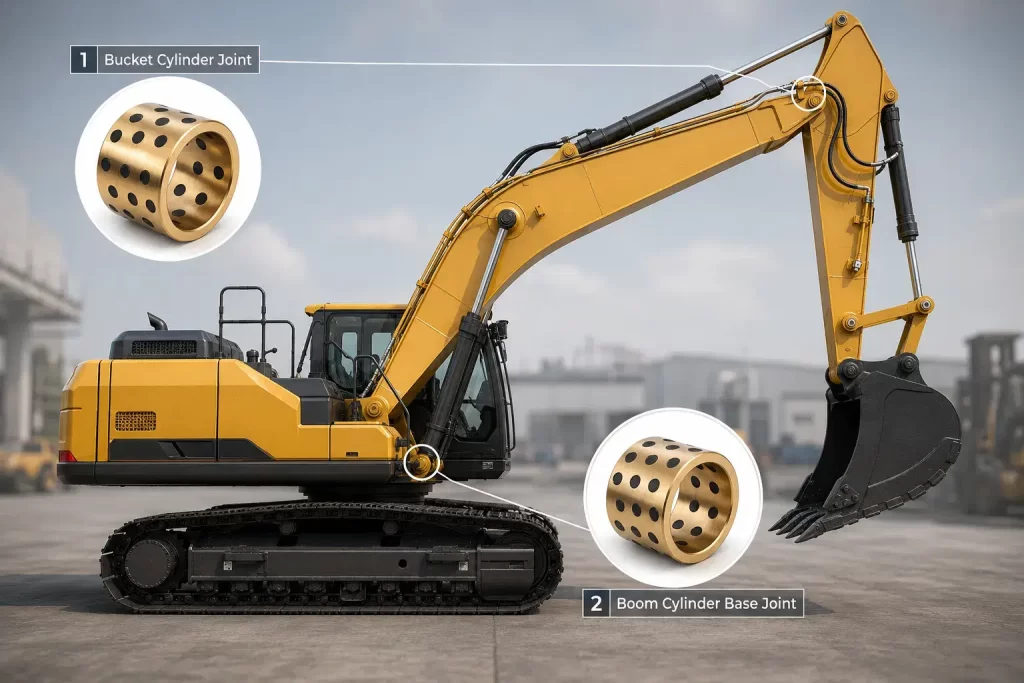
Excavator bushings are small, inexpensive components that quietly protect the most expensive parts of your machine. When they fail early, the damage cascades: pins wear, bores egg out, linkages loosen, and suddenly you’re facing a welding torch and a four-figure repair bill instead of a quick parts swap. This guide breaks down exactly how to select the right bushing for your specific working conditions. We’ll cover material science in plain language, walk through eight critical selection factors, and show you which bushing materials actually hold up in abrasive soil, heavy rock, wet coastal sites, and high-impact demolition. Whether you run a Komatsu PC200 in a sand pit or a CAT 320 breaking concrete all day, this article will help you stop guessing and start spec’ing the right bushing the first time.
Brass vs Bronze Bushing: Differences, Properties and Best Applications
Interpretation of Bushing Knowledge

Brass vs Bronze Bushing: Differences, Properties and Best Applications

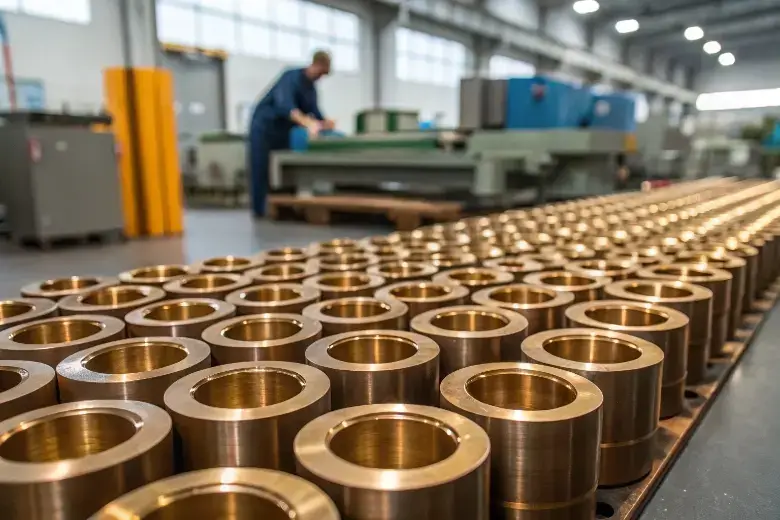
Copper-based alloys remain the predominant material family for plain bearing and bushing applications across industrial sectors. Within this category, brass and bronze represent the two primary classifications, yet their metallurgical distinctions translate to markedly different performance envelopes in service. This analysis examines the compositional, mechanical, and tribological parameters that differentiate these material classes, providing engineers and procurement specialists with the technical framework necessary for informed alloy selection. The comparative data presented herein addresses the operational considerations of load capacity, wear resistance, lubrication requirements, and cost-effectiveness that define application-specific material decisions.

Metallurgical Characteristics & Industrial Application Analysis of Bronze Bushings for Sliding Bearing Systems
Interpretation of Bushing Knowledge

Metallurgical Characteristics & Industrial Application Analysis of Bronze Bushings for Sliding Bearing Systems

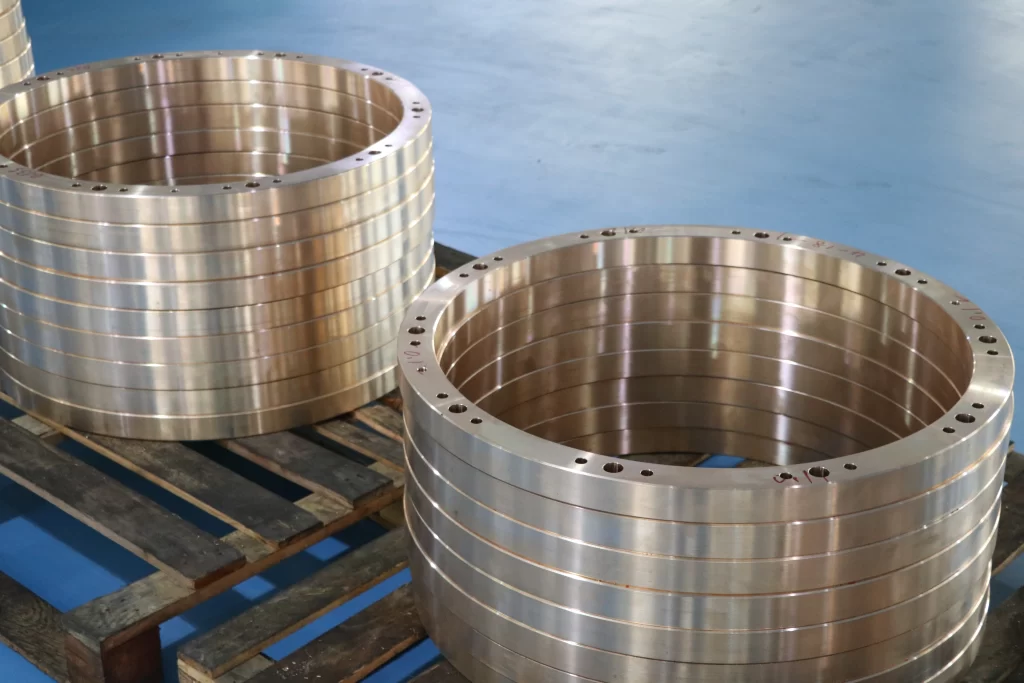
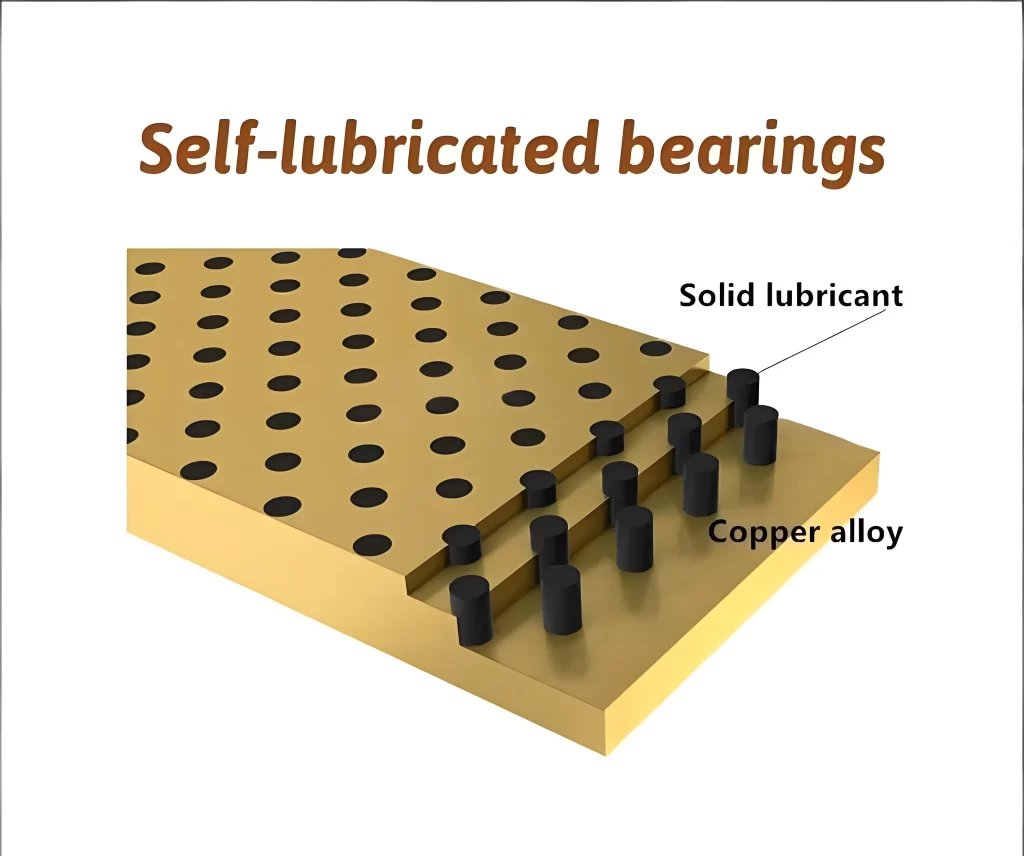
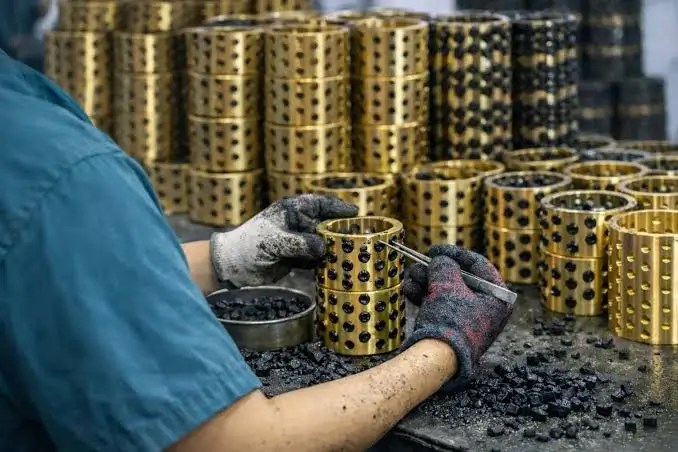
Bronze bushings represent the most widely adopted copper-based plain bearing components across global heavy manufacturing. Produced from tin bronze, aluminium bronze, manganese bronze and leaded bronze, these sliding sleeves rely on outstanding anti-friction performance, load-bearing capacity and corrosion resistance to replace rolling bearings in low-speed, high-load operating scenarios. With diversified casting technologies including continuous casting and centrifugal casting, bronze bushings can be manufactured as standard cylindrical sleeves, flanged bushings, thrust washers, graphite embedded self-lubricating bearings and custom machined wear plates.

Aluminum Bronze Plate: The Ultimate Engineering Material for Heavy-Duty Industrial Applications
Interpretation of Bushing Knowledge

Aluminum Bronze Plate: The Ultimate Engineering Material for Heavy-Duty Industrial Applications

Aluminum bronze represents the highest strength standard copper-based alloy family available in the industrial materials market. As a copper-aluminum alloy containing between 5% and 14% aluminum as the primary alloying element, often combined with iron, nickel, and manganese, aluminum bronze plate delivers a combination of mechanical properties that distinguishes it from conventional bronze alloys. The aluminum content, in conjunction with iron and nickel in grades such as C95500, acts as a strengthener, producing an alloy with tensile strength comparable to low-alloy steels while retaining the corrosion resistance inherent to copper-based materials.

Brass Is Copper – A Ten‑Point Engineering Deep Dive into High‑Performance Copper‑Alloy Bushings
Interpretation of Bushing Knowledge

Brass Is Copper – A Ten‑Point Engineering Deep Dive into High‑Performance Copper‑Alloy Bushings

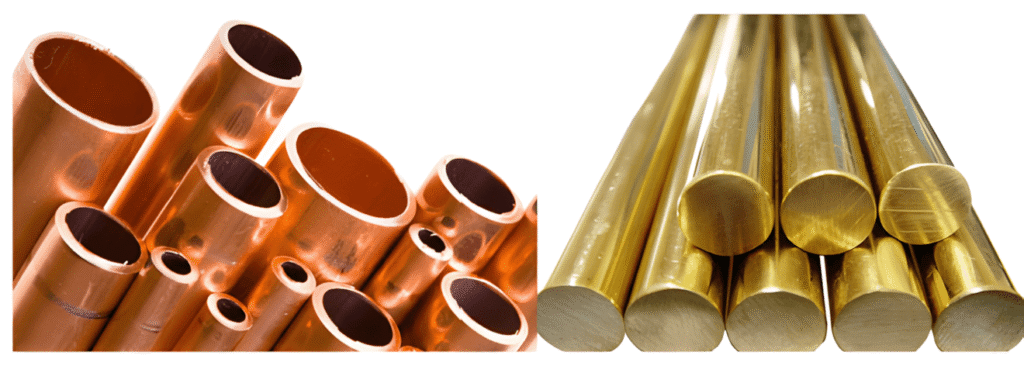
Every brass bushing begins its life as copper. This is not a metaphor—it is metallurgical fact. Brass is fundamentally a copper‑based alloy, typically containing 60% to 90% copper, with zinc and other elements added to enhance strength, machinability, and wear resistance. Understanding that “brass is copper” unlocks a clearer view of the entire family of copper‑based bearing materials: pure copper, versatile brass, and the superior bronze alloys that dominate demanding bushing applications.

Scroll to Top