self-lubricating bronze bushing

When Should You Choose a Bronze Bushing
Interpretation of Bushing Knowledge

When Should You Choose a Bronze Bushing

I’ve been in this industry for over two decades, and I still see engineers overcomplicate this. A bronze bushing is a fairly simple part. Choosing one gets more difficult when the catalog has to stand in for a proper description of the machine. ‘Heavy load’ might mean a steady load all afternoon, or a sharp impact every few seconds. Those aren’t the same enquiry.

Take lubrication. A grease fitting on the drawing looks straightforward. Put the joint behind a guard, then put another assembly in front of the guard, and servicing it becomes a different job. Or take the load: the figure during steady running may tell you very little about the impact when the machine jams.

Here are eight reasons to put bronze on the shortlist, with a few details to settle before ordering.
Metallurgical Copper Components: A Complete Guide to Alloy Selection, Applications, and Performance
Interpretation of Bushing Knowledge

Metallurgical Copper Components: A Complete Guide to Alloy Selection, Applications, and Performance

Metallurgical copper components form the backbone of heavy industry, from continuous casting molds in steel mills to high-load bushings in mining equipment. This guide examines the metallurgical principles behind copper alloy selection, compares the performance of bronze versus brass in demanding applications, and explores how modern surface treatment technologies extend component life. We also address the growing role of copper in electrification and renewable energy infrastructure. For engineers and procurement specialists, understanding these factors means the difference between a component that lasts months and one that lasts decades.

Graphite Plugged Bronze Bushings: Metallurgy, Solid-Lubricant Transfer, and Heavy-Duty Sliding Performance
Interpretation of Bushing Knowledge

Graphite Plugged Bronze Bushings: Metallurgy, Solid-Lubricant Transfer, and Heavy-Duty Sliding Performance

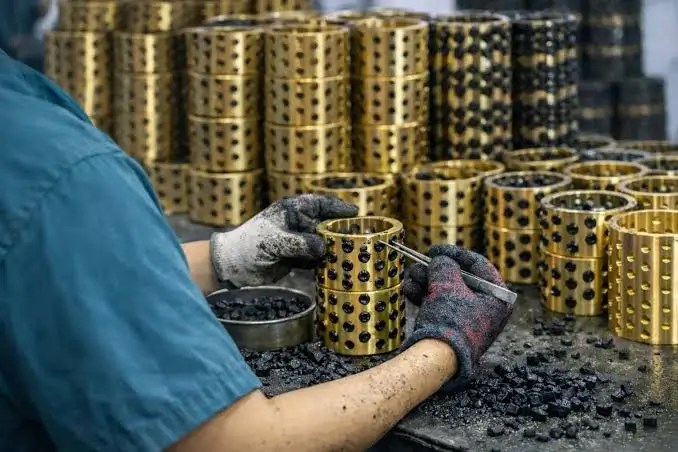
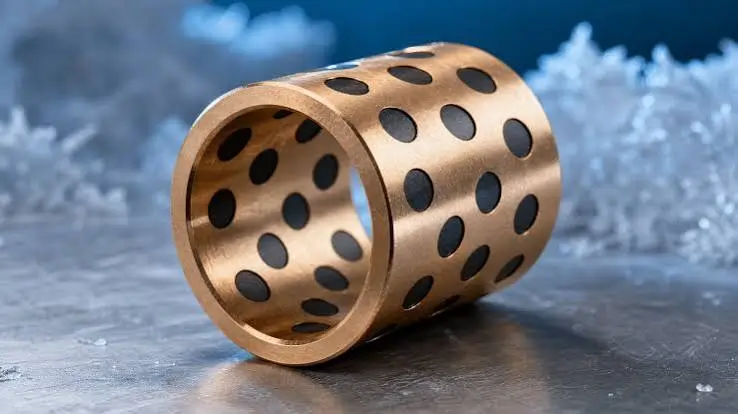
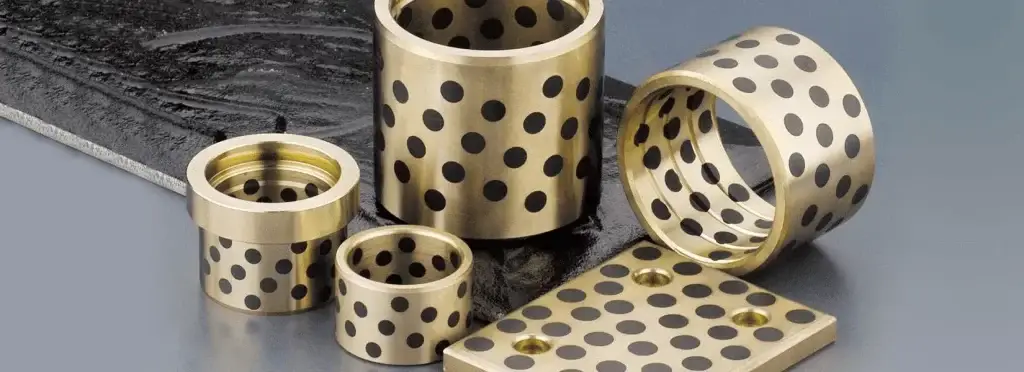
A graphite plugged bronze bushing is a cast or continuously cast bronze plain bearing with machined pockets filled by graphite or an engineered solid lubricant. The bronze matrix carries the structural load while graphite transfers a low-friction film to the shaft or guide surface. This design is valuable where grease lines are inaccessible, oil contamination is unacceptable, movement is intermittent, or heavy sliding contact makes routine relubrication unreliable. It is also called a graphite bronze bushing, solid-lubricant bronze bearing, oilless bronze bushing, or self-lubricating bronze sleeve.

Metallurgical Characteristics & Industrial Application Analysis of Bronze Bushings for Sliding Bearing Systems
Interpretation of Bushing Knowledge

Metallurgical Characteristics & Industrial Application Analysis of Bronze Bushings for Sliding Bearing Systems

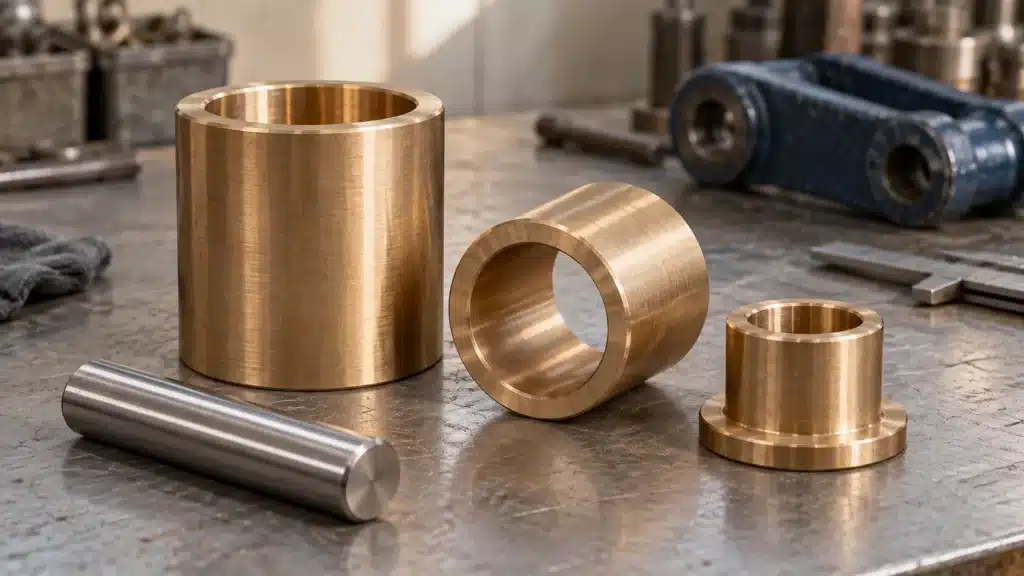
Bronze bushings represent the most widely adopted copper-based plain bearing components across global heavy manufacturing. Produced from tin bronze, aluminium bronze, manganese bronze and leaded bronze, these sliding sleeves rely on outstanding anti-friction performance, load-bearing capacity and corrosion resistance to replace rolling bearings in low-speed, high-load operating scenarios. With diversified casting technologies including continuous casting and centrifugal casting, bronze bushings can be manufactured as standard cylindrical sleeves, flanged bushings, thrust washers, graphite embedded self-lubricating bearings and custom machined wear plates.

Rolling Bearings: Definition, Types, Advantages and Limitations
Interpretation of Bushing Knowledge

Rolling Bearings: Definition, Types, Advantages and Limitations

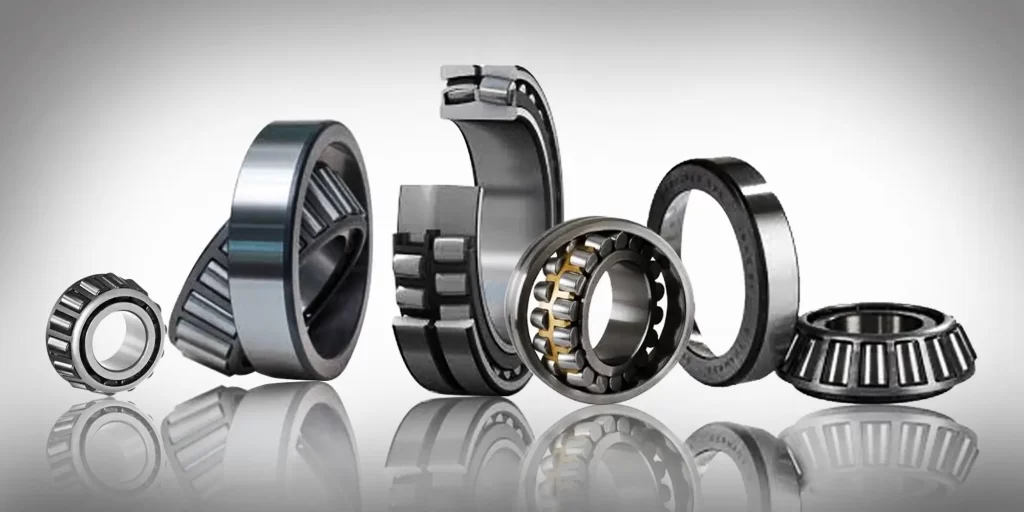
A rolling bearing is a mechanical component that reduces rotational friction between moving parts while supporting loads. Unlike plain bearings (also called sliding bearings or bushings) which rely on direct sliding contact, rolling bearings use rolling elements – balls or rollers – positioned between an inner ring and an outer ring. As the shaft rotates, these rolling elements roll along the raceways, converting sliding friction into rolling friction. Because rolling friction is substantially lower than sliding friction, rolling bearings generate less heat, consume less energy, operate at higher speeds, and achieve longer service lives under proper conditions.

Every rolling bearing typically consists of four basic components: inner ring (mounts onto the rotating shaft), outer ring (fits into the stationary housing), rolling elements (balls or rollers that carry the load), and a cage or retainer (separates the rolling elements and maintains even spacing). Some designs also include seals, shields, or special coatings for contaminated or washdown environments.

Graphite Dry Bushings: The Complete Guide to Self-Lubricating Bearing Technology
Interpretation of Bushing Knowledge

The Silent Language of Precision: Mastering Shaft and Hole Tolerances & Fits for Maximum Equipment Reliability

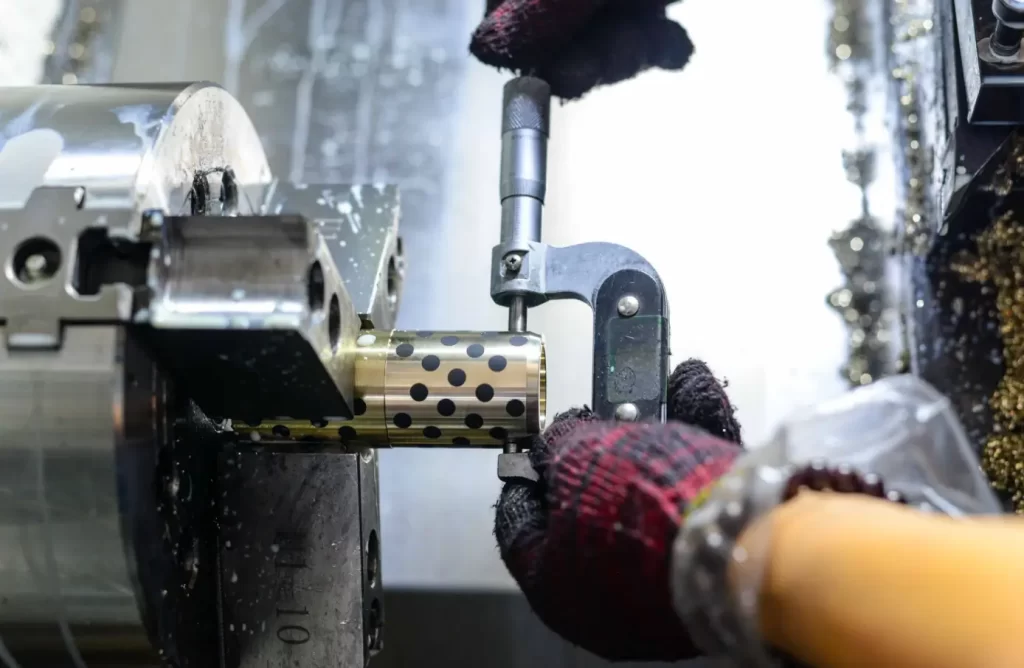
Behind every smooth-running machine lies a language that most operators never see—the silent, precise language of shaft and hole tolerances. Every rotating shaft, every reciprocating piston, and every bushing that supports them speaks this language. When the tolerances are right, the conversation is seamless. When they‘re wrong, the results range from excessive friction to catastrophic seizure.

For engineers responsible for plain bearings and bushings—the unsung workhorses of heavy machinery—understanding tolerance of fit isn’t just a design exercise. It’s the difference between a component that outlasts the equipment and one that fails before its first scheduled maintenance.

Scroll to Top