Self-Lubricating Bushings

Flanged vs. Straight Bushings: Look at the Side of the Joint
Interpretation of Bushing Knowledge

Flanged vs. Straight Bushings: Look at the Side of the Joint

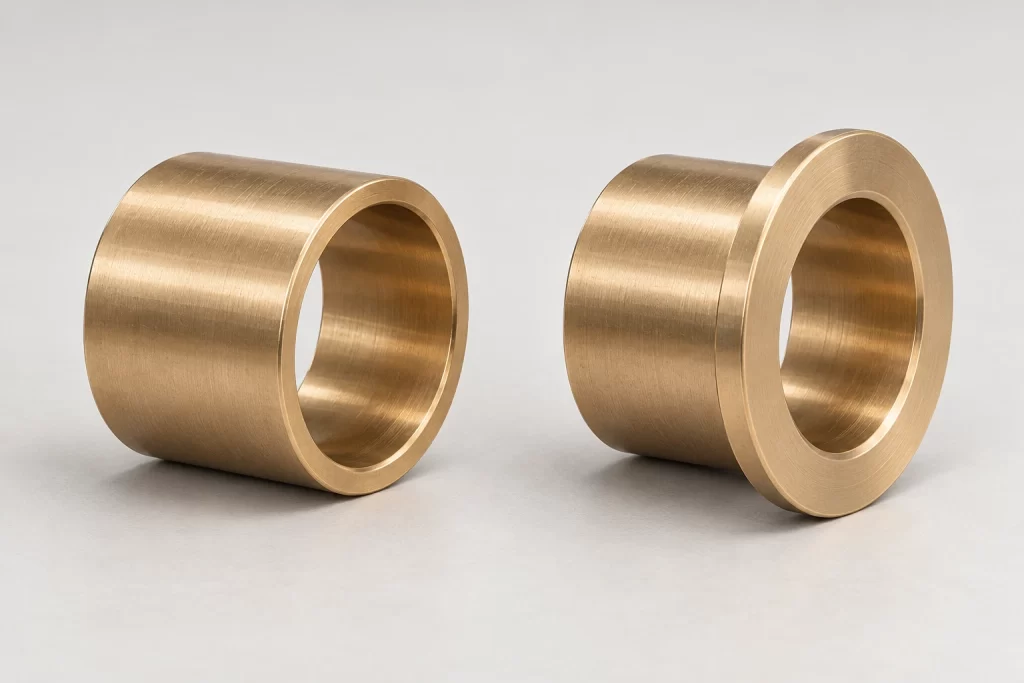
The bore is usually where a bushing enquiry starts. The enquiry might give you an ID, an OD and a length, with nothing showing either end of the housing. Enough to find a sleeve of the right size, perhaps. I’d still be reluctant to choose between a plain sleeve and a flanged one from that information.
Perhaps nothing is touching there. Perhaps the side of a moving arm is rubbing on a bracket. Or perhaps a washer already takes care of that contact. I would want to see that detail before recommending either shape.
For this comparison, let’s keep the whole joint in view.
Bushings for Agricultural Machinery: How the Right Bushing Keeps Your Equipment Running Season After Season
Interpretation of Bushing Knowledge

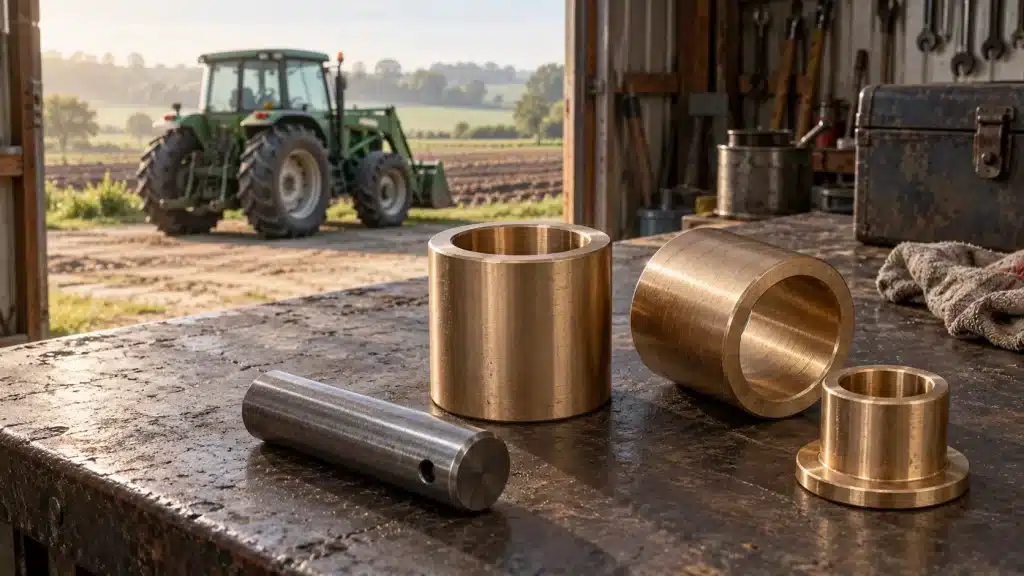
Bushings for Agricultural Machinery: How the Right Bushing Keeps Your Equipment Running Season After Season

Every farmer knows the feeling: it’s the middle of harvest, and something starts knocking, squeaking, or worse — seizing up. More often than not, the culprit is a worn bushing. These small, cylindrical components sit at the heart of almost every pivot point, steering joint, and drive mechanism on modern agricultural equipment, yet they rarely get the attention they deserve until they fail. This article breaks down what agricultural machinery bushings actually do, which materials work best for different field conditions, how to spot wear before it turns into a breakdown, and what to look for when sourcing replacements. Whether you’re running tractors, combine harvesters, planters, or balers, understanding bushings can save you serious downtime and money.

Self-Lubricating Bushings in Hydraulic Cylinders: The Complete Engineering Reference for Design, Selection & Maintenance
Interpretation of Bushing Knowledge

Self-Lubricating Bushings in Hydraulic Cylinders: The Complete Engineering Reference for Design, Selection & Maintenance

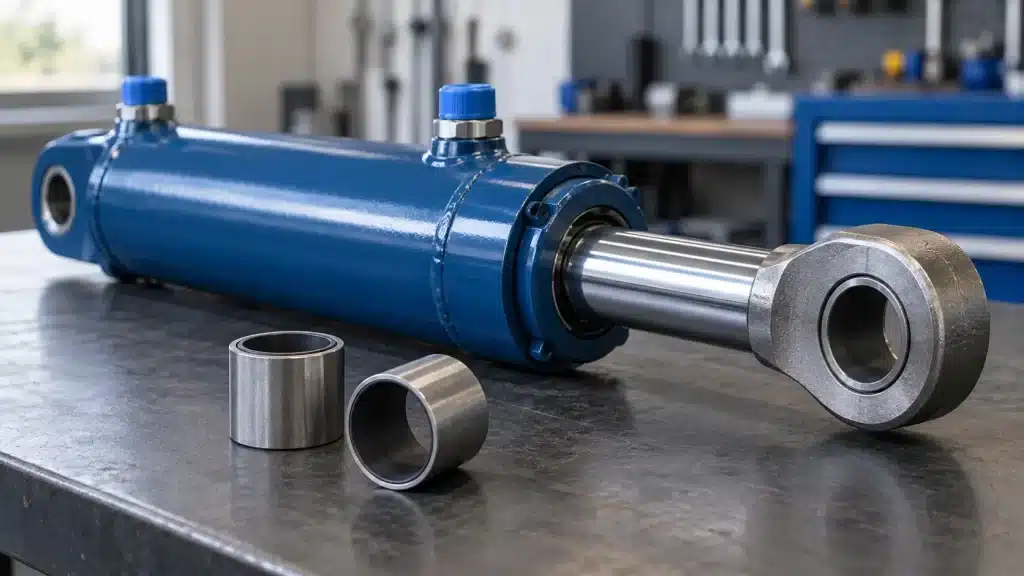
Self-lubricating bushings have become the default guiding solution in modern hydraulic cylinder design, replacing greased bronze and roller bearings in rod glands, piston guides, and pivot points. This article covers the working principles, material architectures (PTFE composite, graphite-plugged bronze, engineered polymer), performance data, selection methodology, installation best practices, and failure analysis for self-lubricating bushings in hydraulic cylinders. Drawing on published tribological research, OEM maintenance manuals, and field application data, it provides design engineers and maintenance teams with a practical decision-making framework for extending cylinder service life, reducing maintenance costs, and eliminating lubrication-related downtime. A dedicated FAQ section addresses the most common field questions, and a supplier introduction for MYWAY bushings is included at the end for procurement reference.

heavy-duty-suspension-linkage-bushings
Interpretation of Bushing Knowledge

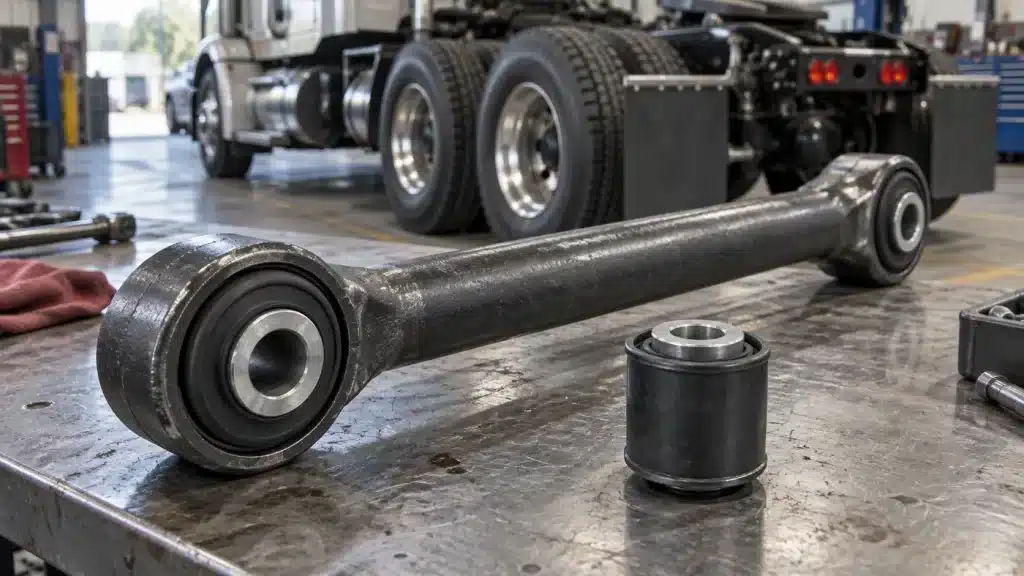
Heavy-Duty Suspension Linkage Bushings: What Fleets, Engineers, and Buyers Actually Need to Know

Nobody pulls over to admire a suspension bushing. But when one fails, the whole truck feels it — wandering steering, uneven tire wear, clunking noises, and sometimes a roadside inspection violation that puts you out of service. This article cuts through the marketing fluff and looks at what heavy-duty suspension linkage bushings really do, how rubber and polyurethane compare in actual fleet service, how to spot failure before it becomes a breakdown, what specs belong on your purchase order, and where the global bushing market is heading. We also explain why MYWAY has become a go-to supplier for self-lubricating and polyurethane bushings in commercial vehicle applications across 40+ countries — and how to get a quote that matches your exact application.

Choosing Bushings for Equalizer Bars: A Heavy-Duty Buyer’s Guide to Fit, Material, and Long-Term Performance
Interpretation of Bushing Knowledge

Choosing Bushings for Equalizer Bars: A Heavy-Duty Buyer’s Guide to Fit, Material, and Long-Term Performance

Equalizer bar bushings are small but vital. They sit at tandem axle suspension pivot points and control walking beam movement under load. Correct bushings absorb road shock, cut vibration, keep axles aligned, and stabilize the suspension. Wrong ones cause clunking, uneven tire wear, side lean, cracked brackets, and downtime. This guide helps fleet managers, maintenance supervisors, parts buyers, and distributors understand center vs end bushings, rubber vs polyurethane vs bronze, key dimensions and hardness, replacement signs, ordering questions, installation, and maintenance. Searching for equalizer bar, walking beam, Hendrickson, trailer, or heavy-duty suspension bushings? This guide helps you ask better questions

Metallurgical Equipment Parts: The Complete Buyer’s Guide to Wear Parts, Bushings, and Components That Keep Steel Mills Running
Interpretation of Bushing Knowledge

Metallurgical Equipment Parts: The Complete Buyer’s Guide to Wear Parts, Bushings, and Components That Keep Steel Mills Running

Metallurgical equipment parts are the unsung heroes of steel production, mineral processing, and metal casting. From wear liners in sinter plants to self-lubricating bushings in rolling mills, these components determine how long your equipment runs before it needs maintenance—and how much that downtime costs you. This guide covers the most critical categories of metallurgical equipment parts, explains material selection trade-offs, and offers practical advice on sourcing from a technical buyer’s perspective. Whether you operate a blast furnace, a mineral processing plant, or a foundry, understanding what makes these parts fail (and what makes them last) directly impacts your bottom line.

Custom Steel Bushings: The Complete Guide to Choosing, Specifying, and Sourcing High-Performance Wear Parts
Interpretation of Bushing Knowledge

Custom Steel Bushings: The Complete Guide to Choosing, Specifying, and Sourcing High-Performance Wear Parts

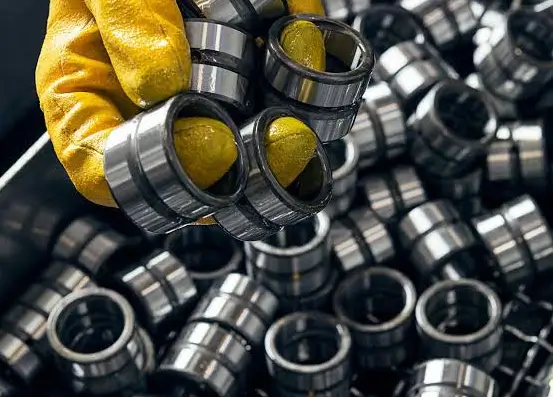
Custom steel bushings are among the most overlooked yet critical components in heavy machinery. When a standard catalog bushing fails, the downtime cost often dwarfs the part price by a factor of ten or more. This guide walks through what makes a custom steel bushing different from an off-the-shelf one, how to specify the right material and tolerances, and what to look for in a manufacturing partner. We cover the full range—from simple plain bushings to grooved, flanged, and self-lubricating variants—with practical advice drawn from real-world applications in mining, construction, and industrial equipment. Whether you’re an OEM engineer designing a new assembly or a maintenance manager trying to stop repeat failures, this article is meant to be a working reference, not a sales pitch.

Sleeve Bushing: The Definitive Technical and Application Resource for Industrial Drive Systems
Interpretation of Bushing Knowledge

Low Carbon Steel Bushings: Metallurgical Foundations and Performance Optimization for Heavy-Duty Applications

Low carbon steel bushings represent a fundamental component category within mechanical power transmission and motion control systems. Defined by their carbon content typically below 0.30% by weight, these cylindrical sleeves serve as sacrificial wear surfaces that protect rotating shafts and housing bores from direct metal-to-metal contact. The metallurgical characteristics of low carbon steel—including its ferritic-pearlitic microstructure, case-hardening responsiveness, and cost-effectiveness—make it an indispensable engineering material across construction equipment, agricultural machinery, automotive suspensions, and hydraulic systems.

Electrical Steel: Silicon-Iron Metallurgy, Core Loss Control, Lamination Quality, and Global Procurement
Interpretation of Bushing Knowledge

Metallurgical Advancements and Application Engineering of Steel Bushings: A Comprehensive Technical Overview

Steel bushings represent a foundational component in mechanical power transmission, motion control, and structural articulation systems across heavy machinery, aerospace, automotive, and industrial equipment sectors. As replaceable wear surfaces, these cylindrical sleeves protect housing bores from fretting, abrasion, and fatigue failure while providing precise dimensional control for rotating or oscillating shaft interfaces. The metallurgical selection, thermal processing, and surface engineering of steel bushings directly determine service life, load-bearing capacity, friction coefficients, and maintenance intervals in demanding operating environments. This technical exposition examines the material science, manufacturing methodologies, performance optimization strategies, and application-specific requirements governing modern steel bushing technology.

MYWAY Bushing: Top 5 Bushing and Bearing Manufacturers in China
Interpretation of Bushing Knowledge

Steel Rolling Mill Technology: Core Equipment, Functional Applications, and High-Performance Component Solutions

Steel rolling represents the principal forming process in modern metallurgy, where immense compressive forces transform raw steel into finished products that constitute the backbone of infrastructure, automotive manufacturing, construction, and countless industrial applications worldwide. Rolling mills—the sophisticated machinery at the heart of this process—have evolved from simple two-high configurations to complex multi-stand trains capable of producing everything from ultra-thin foils to heavy structural beams. Understanding the functional architecture, application contexts, and critical component requirements of these mills is essential for operators seeking to optimize production efficiency, product quality, and operational longevity.

Scroll to Top