Self-Lubricating Bushings

MYWAY Metal Bushing: High-Performance Wear Solutions for Heavy-Duty Machinery
Interpretation of Bushing Knowledge

Professional Bushing Manufacturer: MYWAY Full Range of Bushing Products – Technical Advantages and In-Depth Application Analysis

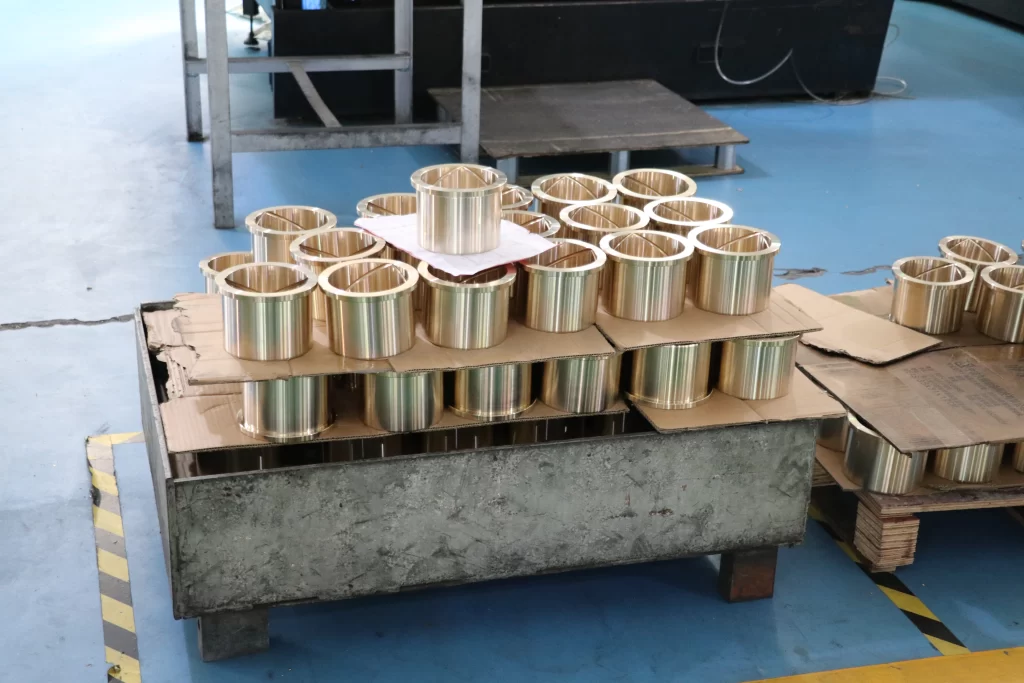
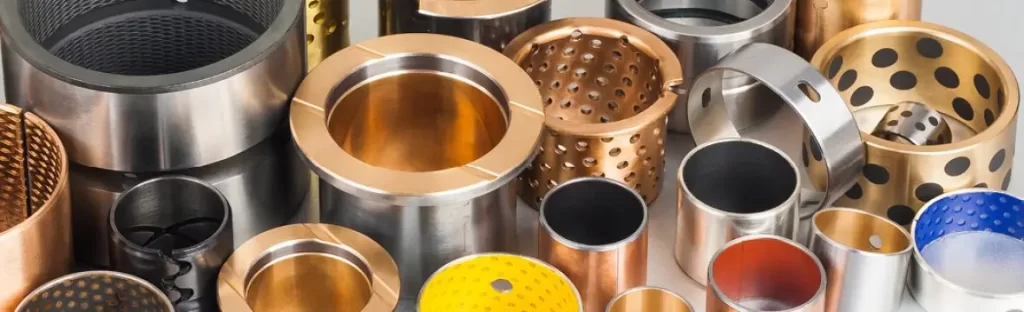
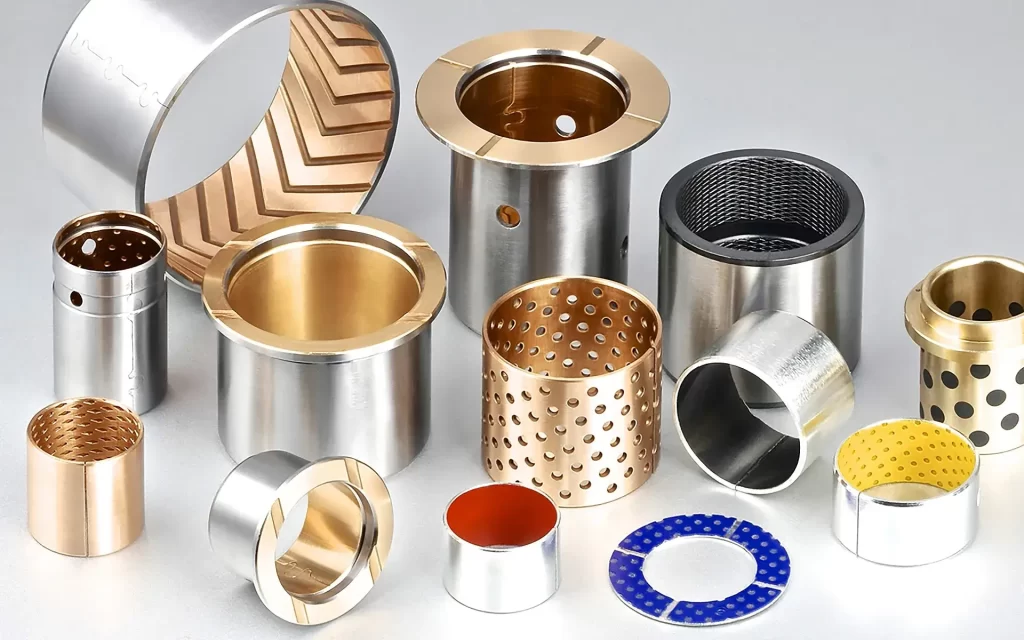
Bushings (also referred to as plain bearings, sleeve bearings, journal bearings, or sliding bearings) serve as fundamental tribological components in modern industrial equipment, with their performance directly determining operational reliability, efficiency, and service life. From automotive chassis and construction machinery pivot points to hydraulic systems, industrial robot joints, wind turbine assemblies, and food processing equipment, proper bushing selection can significantly reduce frictional power losses, minimize maintenance frequency, extend overhaul intervals, and generate substantial long-term economic value for end users.
Interpretation of Bushing Knowledge

Precision Gear Manufacturing: Engineering Motion Control for Advanced Industrial Applications

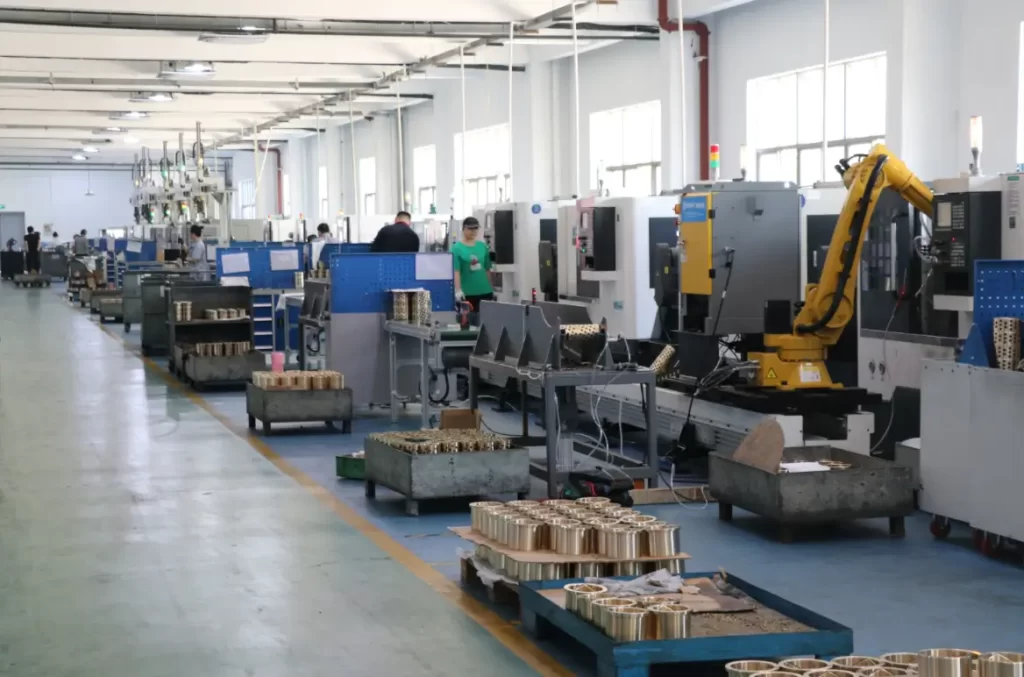
Precision gear manufacturing represents the convergence of metallurgical science, ultra-precision machining, and rigorous quality control. In an era where industrial automation, robotics, and miniaturized systems demand ever-increasing accuracy, the humble gear train has evolved into a sophisticated engineering masterpiece. From surgical robots performing micro-incisions to wind turbines harnessing renewable energy, precision gears enable controlled motion, torque transmission, and positional accuracy across virtually every advanced industry. This article examines the functions and applications of precision gear manufacturing while highlighting the critical role of complementary components—particularly bushings—in ensuring system longevity and reliability.

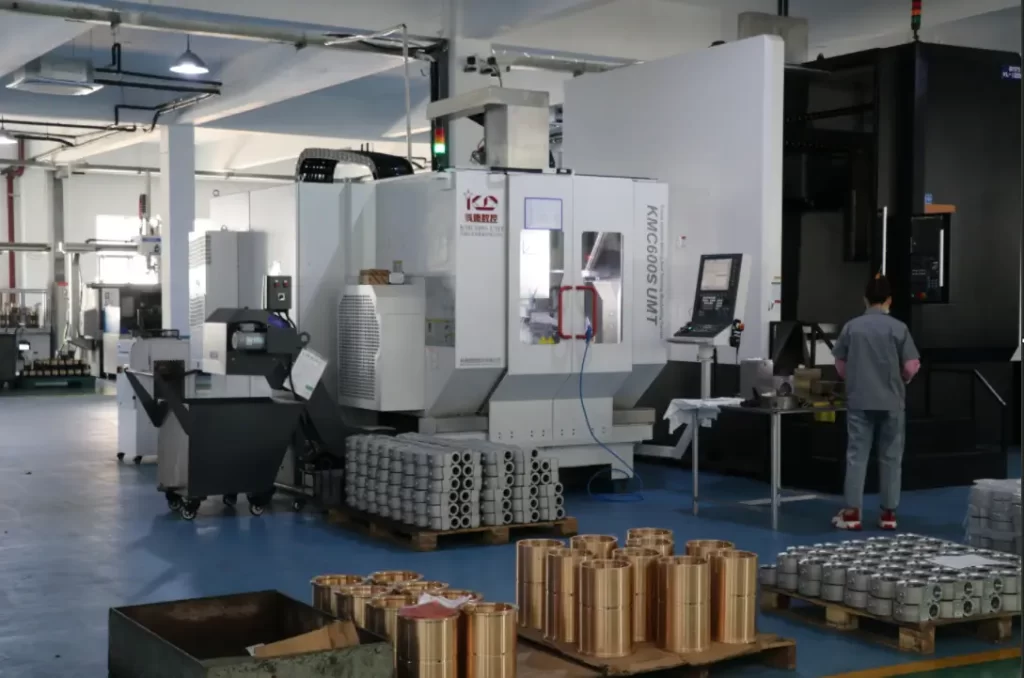
MYWAY Bushing: Top 5 Bushing and Bearing Manufacturers in China
Interpretation of Bushing Knowledge

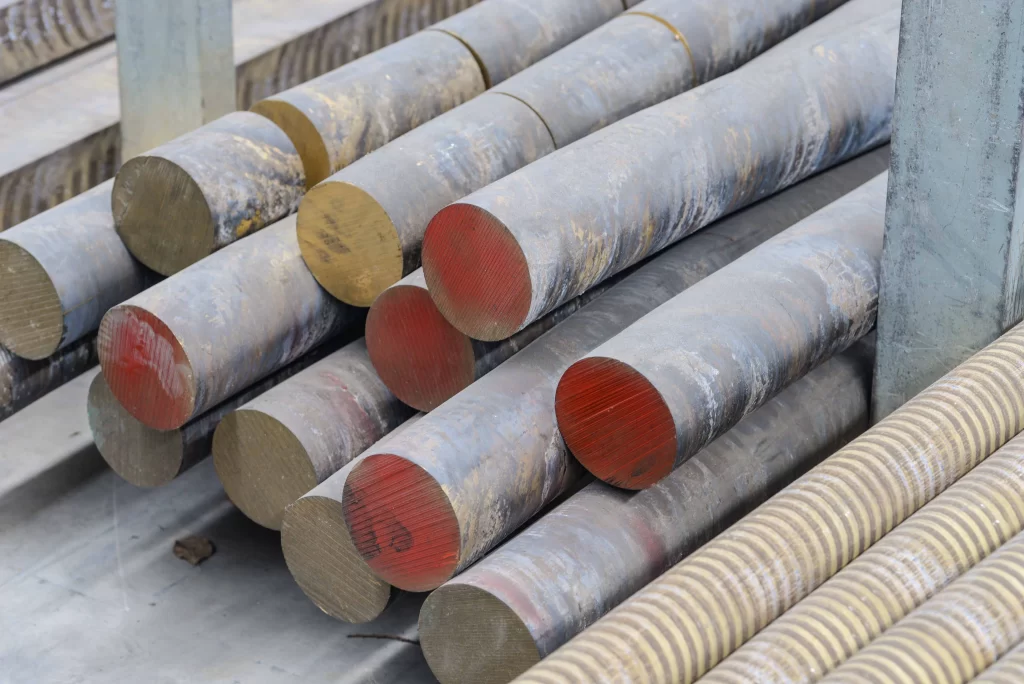
The Weight of Performance: Why Bronze Remains the Heavyweight Champion in Industrial Bearing Applications

In the realm of heavy-duty industrial engineering, material selection is never a trivial decision. Among the myriad options available, bronze has endured as a trusted cornerstone—not despite its density, but precisely because of it. The question “Is bronze heavy?” often arises in procurement and design discussions, yet the answer extends far beyond a simple measurement of mass. This article explores why the “heaviness” of bronze is, in fact, its greatest engineering asset. From load capacity and wear resistance to thermal management and corrosion protection, we examine the functional advantages that make bronze the material of choice for demanding bushing applications. We also introduce MYWAY Bushings as a premier solution that harnesses these inherent properties to deliver reliability, longevity, and superior total cost of ownership.

METAL BUSHINGS: HIGH-PERFORMANCE PLAIN BEARINGS
Interpretation of Bushing Knowledge

METAL BUSHINGS: HIGH-PERFORMANCE PLAIN BEARINGS

Metal bushings—also referred to as metallic bushes, plain bearings, sleeve bearings, or journal bearings—are precision-engineered cylindrical components installed between mechanical parts to support shafts or pins, reduce friction, and absorb vibration and shock. These components act as liners between a rotating or sliding shaft and a housing, minimizing friction, absorbing dynamic loads, and preventing wear on critical parts

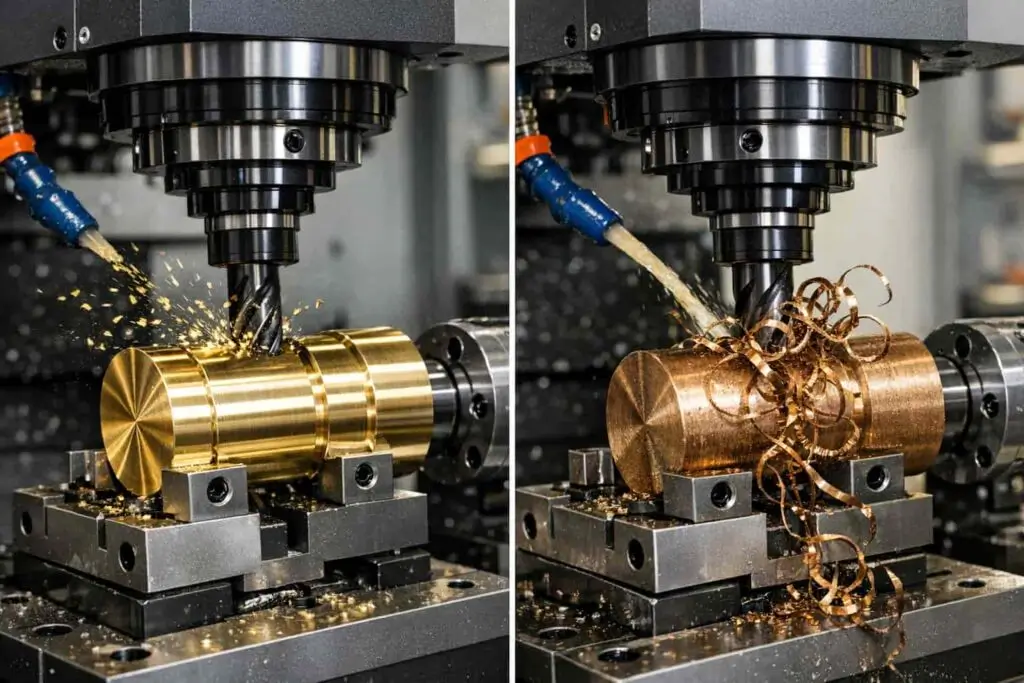
Bronze vs. Brass: A Comprehensive Technical Comparison for Industrial Bushing Applications
Interpretation of Bushing Knowledge

Bronze vs. Brass: A Comprehensive Technical Comparison for Industrial Bushing Applications

Bronze and brass represent two of the most widely utilized copper-based alloy families in industrial manufacturing. Despite their visual similarities and shared copper foundation, these materials exhibit fundamentally distinct metallurgical characteristics that dictate their suitability for specific engineering applications. For procurement engineers, maintenance managers, and design professionals engaged in bushing and bearing selection, understanding the nuanced differences between bronze and brass is not merely an academic exercise—it is a critical determinant of equipment reliability, operational longevity, and total cost of ownership.

Aluminum Bronze Plate: The Ultimate Engineering Material for Heavy-Duty Industrial Applications
Interpretation of Bushing Knowledge

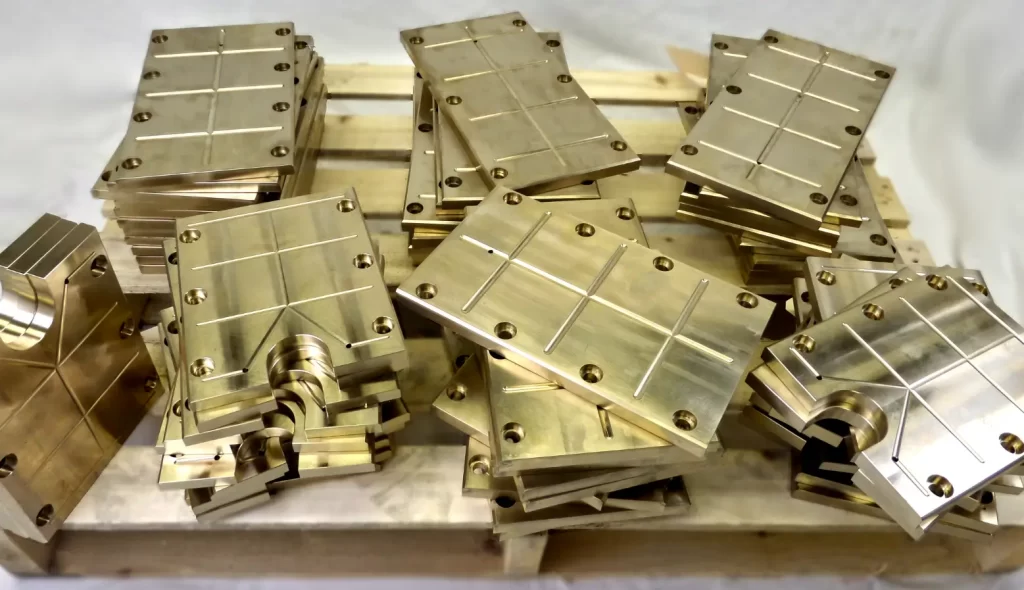
Aluminum Bronze Plate: The Ultimate Engineering Material for Heavy-Duty Industrial Applications

Aluminum bronze represents the highest strength standard copper-based alloy family available in the industrial materials market. As a copper-aluminum alloy containing between 5% and 14% aluminum as the primary alloying element, often combined with iron, nickel, and manganese, aluminum bronze plate delivers a combination of mechanical properties that distinguishes it from conventional bronze alloys. The aluminum content, in conjunction with iron and nickel in grades such as C95500, acts as a strengthener, producing an alloy with tensile strength comparable to low-alloy steels while retaining the corrosion resistance inherent to copper-based materials.

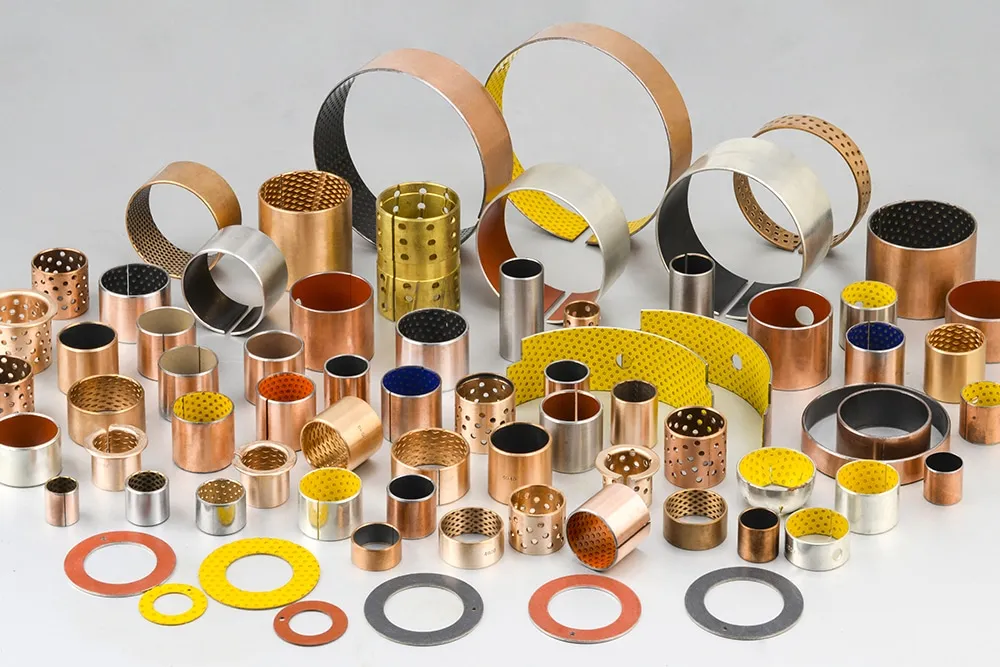
How to Choose the Best Self-Lubricating Bushing Material: The Ultimate Guide for Engineers
Interpretation of Bushing Knowledge

How to Choose the Best Self-Lubricating Bushing Material: The Ultimate Guide for Engineers

Choosing the right bushing material isn’t just about picking something off a shelf. It’s about understanding how your machinery works, what it demands, and where it’s most likely to fail. The wrong material choice leads to unplanned downtime, costly repairs, and frustrated maintenance teams. The right one? It keeps things running smoothly for years with barely any attention at all.

Let me walk you through everything you need to know about bushing materials—and why MYWAY might just be the solution you’ve been looking for.

Scroll to Top