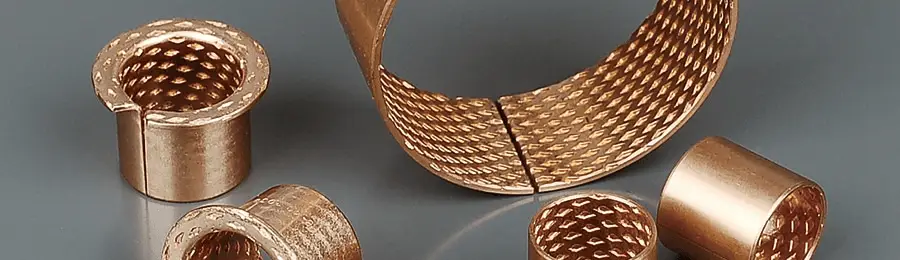
tin bronze

The Metallurgical Engineering of Bronze Sleeve Bearings: Alloy Selection, Load Dynamics, and Industrial Application
Interpretation of Bushing Knowledge

The Metallurgical Engineering of Bronze Sleeve Bearings: Alloy Selection, Load Dynamics, and Industrial Application

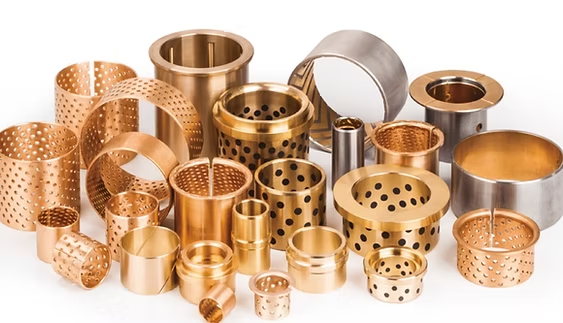
Bronze sleeve bearings, classified as plain bearings or journal bearings, constitute a foundational component within mechanical engineering, providing a critical interface for rotating or linear motion between a shaft and a housing. Functioning as bushings, these components leverage the inherent tribological advantages of copper-based alloys to reduce friction, manage heat dissipation, and absorb operational loads. The extensive utility of bronze sleeve bearings, from automotive powertrains and heavy construction equipment to precision machine tools and marine propulsion systems, is attributable to the versatile metallurgical properties of bronze. Unlike rolling element bearings that rely on point contact, sleeve bearings employ a larger surface contact area, enabling them to support significant radial loads, accommodate shock loading, and offer resistance to mechanical wear
MYWAY Metal Bushing: High-Performance Wear Solutions for Heavy-Duty Machinery
Interpretation of Bushing Knowledge

Thermal Metallurgy in Motion: The Critical Role of Alloy Melting Behavior in Bushing Performance and Reliability

In the demanding environments of heavy industry, the melting characteristics of metallic alloys serve as the fundamental determinant of component longevity. While operational temperatures never intentionally approach the melting threshold, the margin between standard operating conditions and the solidus point of an alloy defines the safety buffer against thermal degradation, friction-induced heat spikes, and catastrophic failure. This principle carries particular significance in the metallurgy sector, where rolling mills, casting equipment, and extrusion presses subject bearings and bushings to extreme loads, elevated temperatures, and continuous operation.

Bronze and Copper in Industrial Applications: A Comprehensive Guide to Alloy Selection and High-Performance Bushings
Interpretation of Bushing Knowledge

Bronze and Copper in Industrial Applications: A Comprehensive Guide to Alloy Selection and High-Performance Bushings

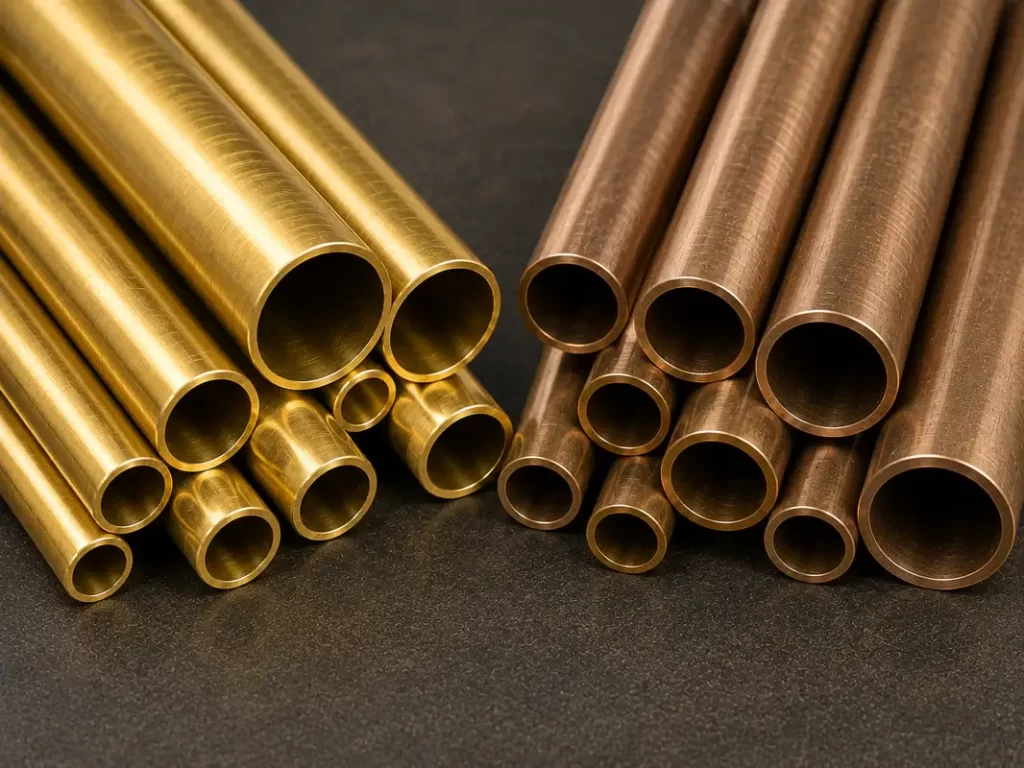
Bronze and copper represent two of the most foundational materials in industrial engineering. As “red metals,” they have served manufacturing, construction, marine, and mechanical sectors for millennia. While copper exists in its pure elemental form with exceptional thermal and electrical conductivity, bronze emerges as a copper-tin alloy engineered for superior strength, hardness, and corrosion resistance. Understanding the functional distinctions between these materials is essential for engineers, procurement specialists, and maintenance professionals seeking optimal component performance.

Bronze vs. Brass: A Comprehensive Technical Comparison for Industrial Bushing Applications
Interpretation of Bushing Knowledge

Bronze vs. Brass: A Comprehensive Technical Comparison for Industrial Bushing Applications

Bronze and brass represent two of the most widely utilized copper-based alloy families in industrial manufacturing. Despite their visual similarities and shared copper foundation, these materials exhibit fundamentally distinct metallurgical characteristics that dictate their suitability for specific engineering applications. For procurement engineers, maintenance managers, and design professionals engaged in bushing and bearing selection, understanding the nuanced differences between bronze and brass is not merely an academic exercise—it is a critical determinant of equipment reliability, operational longevity, and total cost of ownership.

Copper vs Bronze: Key Differences & Why MYWAY Bushings Are Your Best Choice
Interpretation of Bushing Knowledge

Copper vs Bronze: Key Differences & Why MYWAY Bushings Are Your Best Choice

When it comes to industrial components such as bushings, bearings, sleeves, and structural parts, copper and bronze are two of the most widely used non-ferrous metals. Many buyers and engineers often confuse them because both have a reddish color and are based on copper. However, their composition, hardness, wear resistance, load capacity, and service life are completely different. Choosing the wrong material can lead to rapid wear, frequent breakdowns, higher maintenance costs, and even equipment failure. In this article, we explain in detail the differences between copper and bronze, their suitable applications, and why MYWAY bronze bushings are the most reliable solution for heavy-duty working conditions.

The Sound of Metal: Why Casting Defines a Great Bushing
Bronze Bushing

The Sound of Metal: Why Casting Defines a Great Bushing

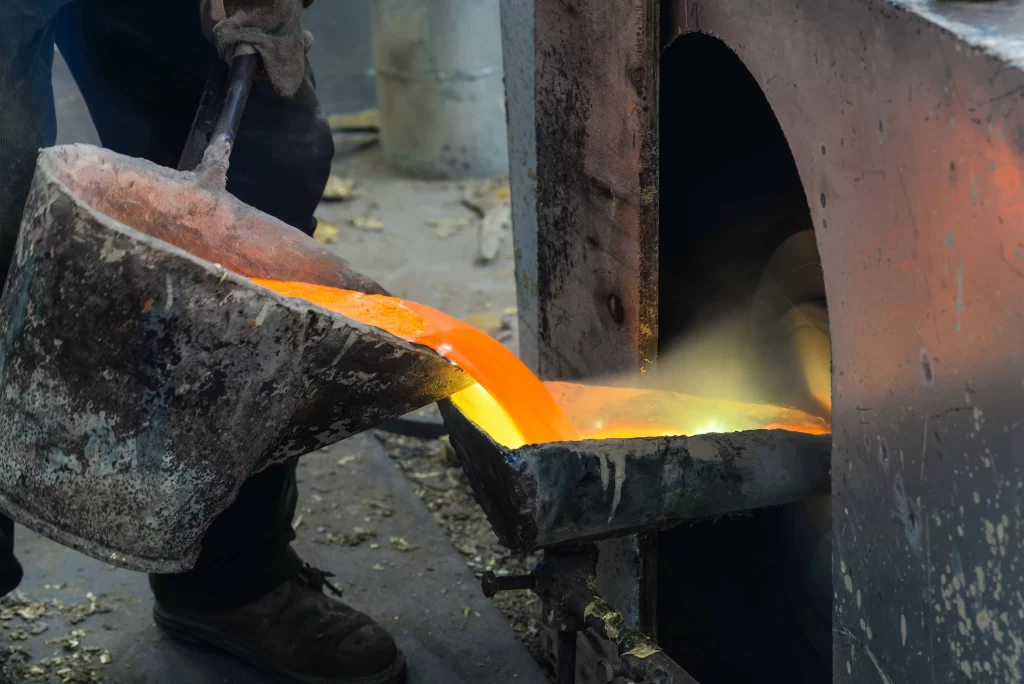
Walk through any heavy industrial plant—a steel mill, a mining operation, a working port—and you’ll hear it. Buried beneath the roar of engines and the clank of conveyors, there’s a deeper, more rhythmic sound. It’s the sound of metal meeting metal, of brute force channeled into precision movement. At the heart of that sound, quite often, is a simple component doing an impossibly hard job: a bushing.

Leaded Bronze Bushings
Bronze Bushing

Leaded Bronze Bushings: Enduring, Self-Lubricating Workhorse

In the demanding world of machinery, a critical component often works quietly in the shadows, ensuring smooth operation under immense pressure and stress: the leaded bronze bushing. For decades, this alloy has been the go-to choice for engineers facing high loads, low speeds, and challenging environments where lubrication is difficult.

Tin Bronze: the Alloy That Powers Heavy Industry
Bronze Bushing

Tin Bronze: the Alloy That Powers Heavy Industry

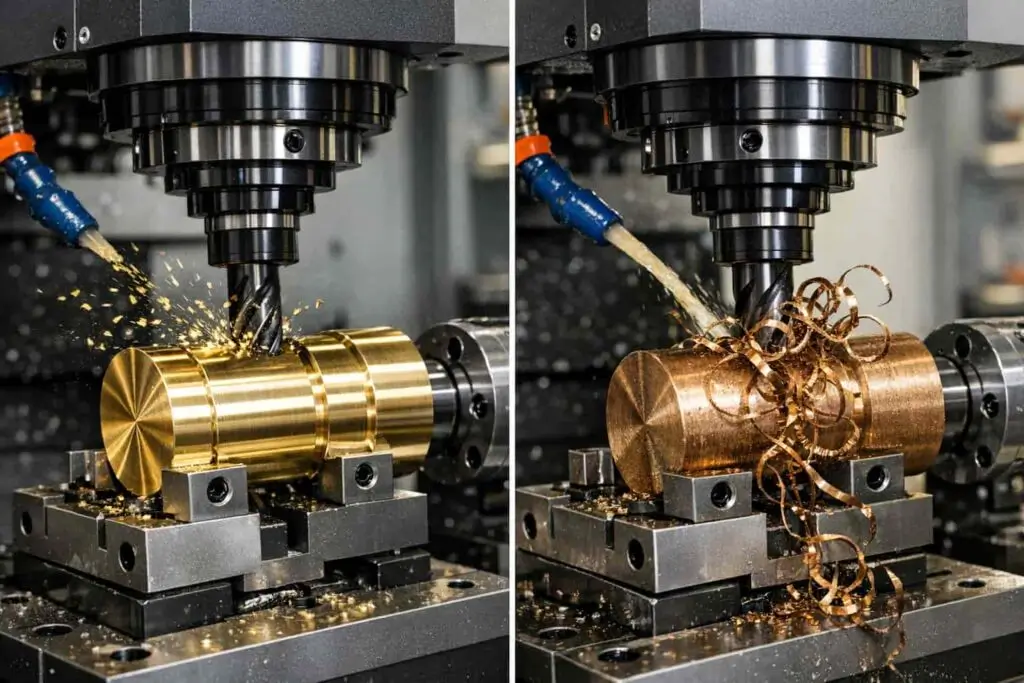
When machinery faces its toughest challenges—from the relentless pounding in a steel mill to the corrosive bite of seawater—there’s a family of alloys that has been the engineer’s trusted choice for centuries: tin bronze. More than just a historical artifact, modern tin bronzes represent the pinnacle of material science for demanding applications, combining legendary durability with critical self-lubricating properties.

Scroll to Top