Author name: MYWAY

Aluminum Bronze Plate: The Ultimate Engineering Material for Heavy-Duty Industrial Applications
Interpretation of Bushing Knowledge

Aluminum Bronze Plate: The Ultimate Engineering Material for Heavy-Duty Industrial Applications

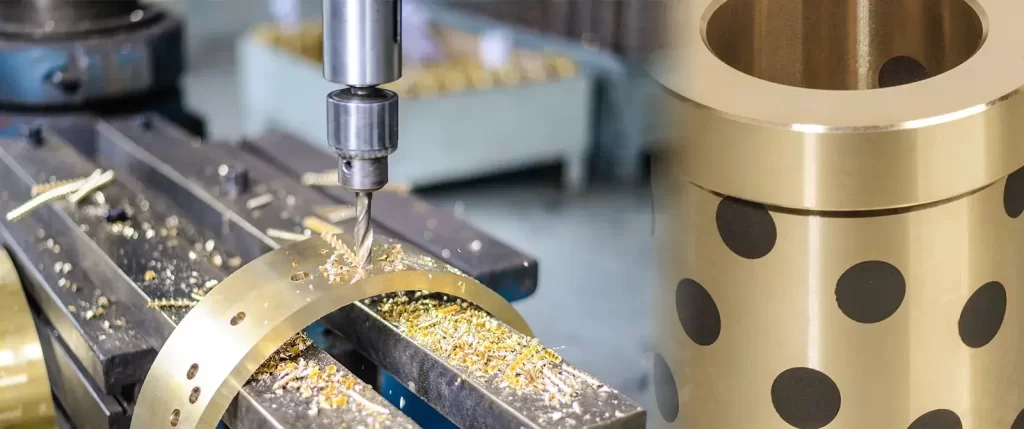
Aluminum bronze represents the highest strength standard copper-based alloy family available in the industrial materials market. As a copper-aluminum alloy containing between 5% and 14% aluminum as the primary alloying element, often combined with iron, nickel, and manganese, aluminum bronze plate delivers a combination of mechanical properties that distinguishes it from conventional bronze alloys. The aluminum content, in conjunction with iron and nickel in grades such as C95500, acts as a strengthener, producing an alloy with tensile strength comparable to low-alloy steels while retaining the corrosion resistance inherent to copper-based materials.
Graphite Bearing: The Self-Lubricating Solution for Extreme Conditions
Interpretation of Bushing Knowledge

Graphite Bearing: The Self-Lubricating Solution for Extreme Conditions

In the field of modern mechanical engineering, bearing selection directly determines equipment reliability, operational efficiency, and maintenance costs. Among numerous bearing material options, graphite bearings have emerged as the preferred solution for extreme working conditions with their unique self-lubricating properties, high temperature resistance, and chemical corrosion resistance. From aerospace engines to food processing equipment, and from steel rolling mills to semiconductor manufacturing, graphite bearings are redefining the performance boundaries of industrial equipment with their maintenance-free design concept.

Oil‑Free Bushings – Core Performance, Applications, and the MYWAY Solution
Interpretation of Bushing Knowledge

Beyond Conventional Constraints: The DU Bushing Advantage in High-Stress Rotating Systems

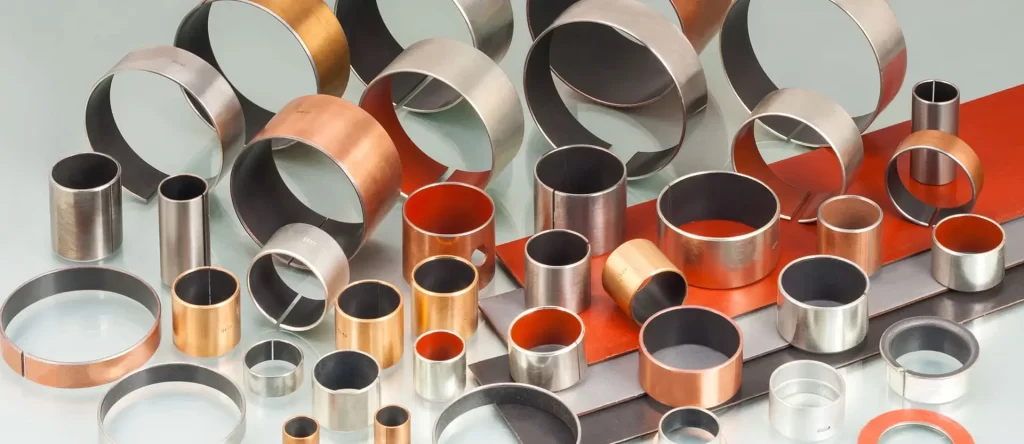
Industrial rotating assemblies have long been constrained by a fundamental dilemma: achieving low friction without compromising load capacity. Traditional plain bearings require continuous lubrication, while self-lubricating alternatives often sacrifice strength for convenience. The DU bushing—a metal-polymer composite plain bearing—has emerged as the definitive solution that reconciles these opposing requirements. Unlike conventional bronze bushings that depend on external lubricants, DU-type composite bushings integrate a PTFE-based sliding layer with a porous bronze interlayer and steel backing, creating a self-lubricating system that maintains structural rigidity under extreme loads.

Copper Bushings in Water: Unlock Reliability in Marine, Hydraulic & Submerged Applications
Interpretation of Bushing Knowledge

Comprehensive Analysis of Bronze Properties: Metallurgy, Mechanical Performance, and Industrial Applications

Bronze, one of the earliest engineered alloys in human history, remains a cornerstone material in contemporary mechanical engineering. This technical article provides a systematic examination of bronze metallurgy—primary base metals, alloying elements, and their influence on mechanical, tribological, and physical properties. The discussion encompasses historical context, classification of major bronze families (phosphor bronze, aluminum bronze, leaded bronze, manganese bronze, and silicon bronze), comparative analysis with brass and pure copper, and the specific engineering rationale for bronze dominance in high-reliability bushing and bearing applications.

Rolling Bearings: Definition, Types, Advantages and Limitations
Interpretation of Bushing Knowledge

Rolling Bearings: Definition, Types, Advantages and Limitations

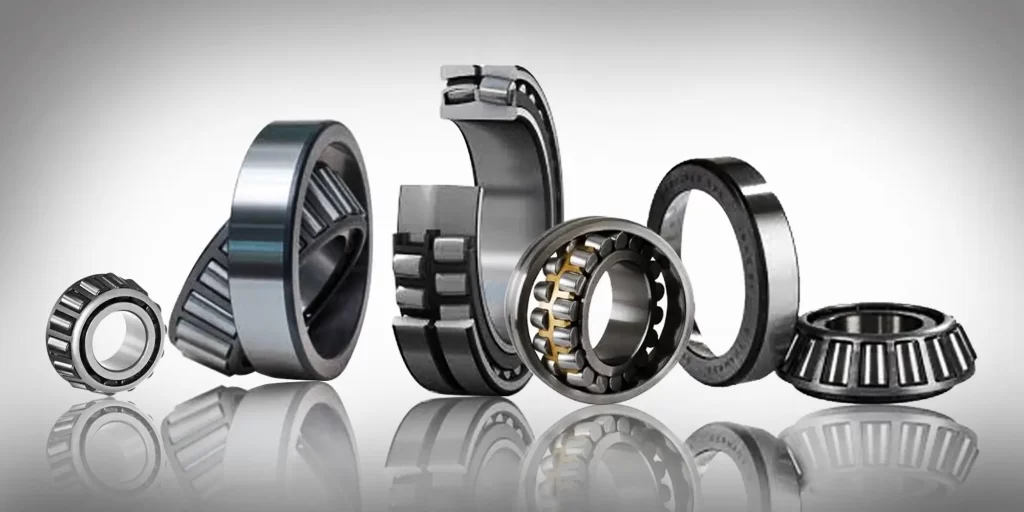
A rolling bearing is a mechanical component that reduces rotational friction between moving parts while supporting loads. Unlike plain bearings (also called sliding bearings or bushings) which rely on direct sliding contact, rolling bearings use rolling elements – balls or rollers – positioned between an inner ring and an outer ring. As the shaft rotates, these rolling elements roll along the raceways, converting sliding friction into rolling friction. Because rolling friction is substantially lower than sliding friction, rolling bearings generate less heat, consume less energy, operate at higher speeds, and achieve longer service lives under proper conditions.

Every rolling bearing typically consists of four basic components: inner ring (mounts onto the rotating shaft), outer ring (fits into the stationary housing), rolling elements (balls or rollers that carry the load), and a cage or retainer (separates the rolling elements and maintains even spacing). Some designs also include seals, shields, or special coatings for contaminated or washdown environments.

Brass Is Copper – A Ten‑Point Engineering Deep Dive into High‑Performance Copper‑Alloy Bushings
Interpretation of Bushing Knowledge

Brass Is Copper – A Ten‑Point Engineering Deep Dive into High‑Performance Copper‑Alloy Bushings

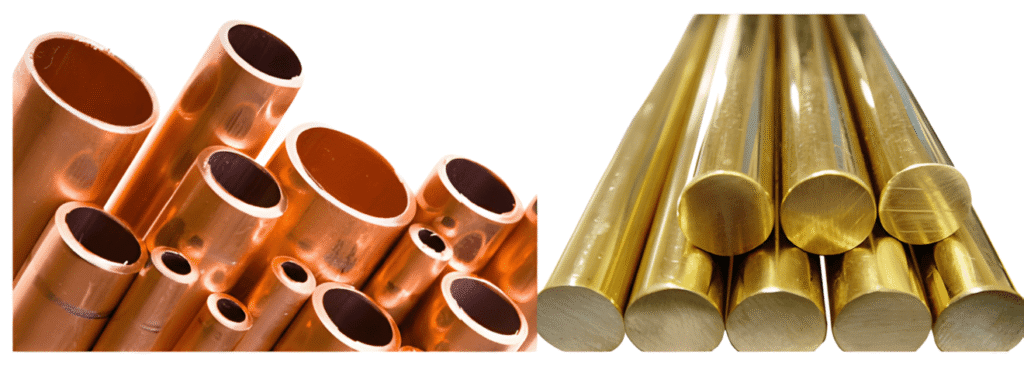
Every brass bushing begins its life as copper. This is not a metaphor—it is metallurgical fact. Brass is fundamentally a copper‑based alloy, typically containing 60% to 90% copper, with zinc and other elements added to enhance strength, machinability, and wear resistance. Understanding that “brass is copper” unlocks a clearer view of the entire family of copper‑based bearing materials: pure copper, versatile brass, and the superior bronze alloys that dominate demanding bushing applications.

Graphite Dry Bushings: The Complete Guide to Self-Lubricating Bearing Technology
Interpretation of Bushing Knowledge

The Silent Language of Precision: Mastering Shaft and Hole Tolerances & Fits for Maximum Equipment Reliability

Behind every smooth-running machine lies a language that most operators never see—the silent, precise language of shaft and hole tolerances. Every rotating shaft, every reciprocating piston, and every bushing that supports them speaks this language. When the tolerances are right, the conversation is seamless. When they‘re wrong, the results range from excessive friction to catastrophic seizure.

For engineers responsible for plain bearings and bushings—the unsung workhorses of heavy machinery—understanding tolerance of fit isn’t just a design exercise. It’s the difference between a component that outlasts the equipment and one that fails before its first scheduled maintenance.

Graphite Dry Bushings: The Complete Guide to Self-Lubricating Bearing Technology
Interpretation of Bushing Knowledge

Composition of Bronze: Alloying Elements, Material Properties, and Industrial Applications

The composition of bronze is a subject of ongoing relevance in metallurgy and industrial engineering. While many recognize bronze as an alloy of copper and tin, the precise formulation varies significantly depending on the intended application. Bronze is not a single material but rather a family of copper-based alloys, each tailored for specific mechanical, chemical, or physical requirements.

This document provides a comprehensive analysis of bronze composition, ranging from its historical origins to modern engineering alloys. Emphasis is placed on bronze alloys commonly used in bushing and bearing applications. For organizations seeking high-performance bronze bushings, MYWAY offers custom-engineered solutions backed by decades of manufacturing experience.

The Definitive Guide to Bronze Material: Composition, Properties, and Industrial Applications
Interpretation of Bushing Knowledge

The Definitive Guide to Bronze Material: Composition, Properties, and Industrial Applications

The global sliding bearing market, valued at USD 1.41 billion in 2025, is projected to expand at a CAGR of 6.7% to reach USD 2.53 billion by 2034. Within this growing landscape, bronze material remains the cornerstone of high-performance bearing and bushing engineering. Engineers and procurement specialists who comprehend the technical nuances of bronze alloys gain a decisive advantage in specifying components that maximize operational longevity while minimizing total cost of ownership.

ENGINEERING COMPOSITION OF BRONZE: METALLURGY, ALLOY SYSTEMS, AND APPLICATIONS IN HIGH-PERFORMANCE BUSHINGS
Interpretation of Bushing Knowledge

ENGINEERING COMPOSITION OF BRONZE: METALLURGY, ALLOY SYSTEMS, AND APPLICATIONS IN HIGH-PERFORMANCE BUSHINGS

Bronze, one of the earliest engineered alloys in human history, remains a critical material in modern mechanical engineering, particularly in the production of plain bearings, bushings, and wear-resistant components. This article provides a systematic analysis of bronze composition—primary base metals, alloying elements, and their influence on mechanical and tribological properties. The discussion includes historic context, classification of major bronze families (phosphor bronze, aluminum bronze, leaded bronze, manganese bronze, silicon bronze), comparative analysis with brass and pure copper, and the specific reasons why bronze dominates bushing and bearing applications.

Scroll to Top