Industrial bearings

Self-Lubricating Bushings: The Maintenance-Free Solution for Demanding Industrial Applications
Interpretation of Bushing Knowledge

Metallurgical Advancements and Industrial Applications of Composite Bearing Systems

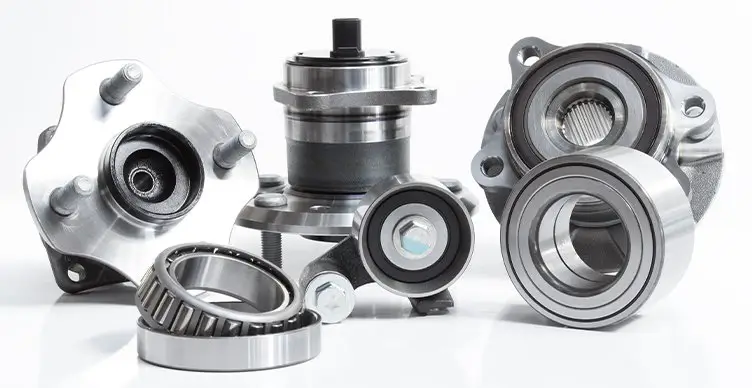
The evolution of bearing technology has witnessed a paradigm shift from monolithic metallic alloys toward engineered composite systems that synergistically integrate material properties to meet increasingly demanding operational requirements. Composite bearings, defined as multi-material engineered structures combining a bearing lining with a structurally robust backing, represent a sophisticated metallurgical solution addressing the inherent trade-off between surface compatibility and load-bearing capacity . These advanced tribological components have become indispensable across aerospace, automotive, marine, construction, mining, and energy processing sectors, driven by their exceptional corrosion resistance, self-lubricating capabilities, and significant weight reduction advantages over conventional metallic bearings
The Metallurgical Edge: Aluminum Lined Bearings for High-Performance Industrial Motion
Interpretation of Bushing Knowledge

The Metallurgical Edge: Aluminum Lined Bearings for High-Performance Industrial Motion

The evolution of bearing metallurgy has consistently gravitated toward solutions that balance strength, weight, and operational efficiency. Among these advancements, aluminum lined bearings have emerged as a cornerstone technology for industries ranging from automotive to heavy machinery. These components, characterized by a robust steel backing and a precision-engineered aluminum-based lining, offer a compelling combination of load capacity, fatigue resistance, and lightweight construction.

MYWAY Bushing: Top 5 Bushing and Bearing Manufacturers in China
Interpretation of Bushing Knowledge

The Weight of Performance: Why Bronze Remains the Heavyweight Champion in Industrial Bearing Applications

In the realm of heavy-duty industrial engineering, material selection is never a trivial decision. Among the myriad options available, bronze has endured as a trusted cornerstone—not despite its density, but precisely because of it. The question “Is bronze heavy?” often arises in procurement and design discussions, yet the answer extends far beyond a simple measurement of mass. This article explores why the “heaviness” of bronze is, in fact, its greatest engineering asset. From load capacity and wear resistance to thermal management and corrosion protection, we examine the functional advantages that make bronze the material of choice for demanding bushing applications. We also introduce MYWAY Bushings as a premier solution that harnesses these inherent properties to deliver reliability, longevity, and superior total cost of ownership.

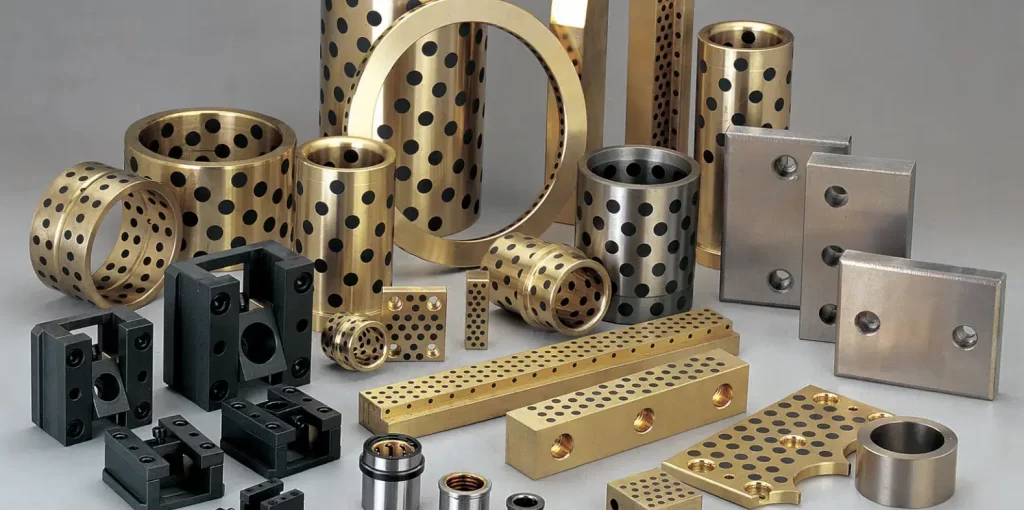
Metallic Bushes: High-Performance Metal Bearings & Self-Lubricating Bush
Interpretation of Bushing Knowledge

Bronze Bushings: The Engineering Workhorse for Heavy-Duty Industrial Applications

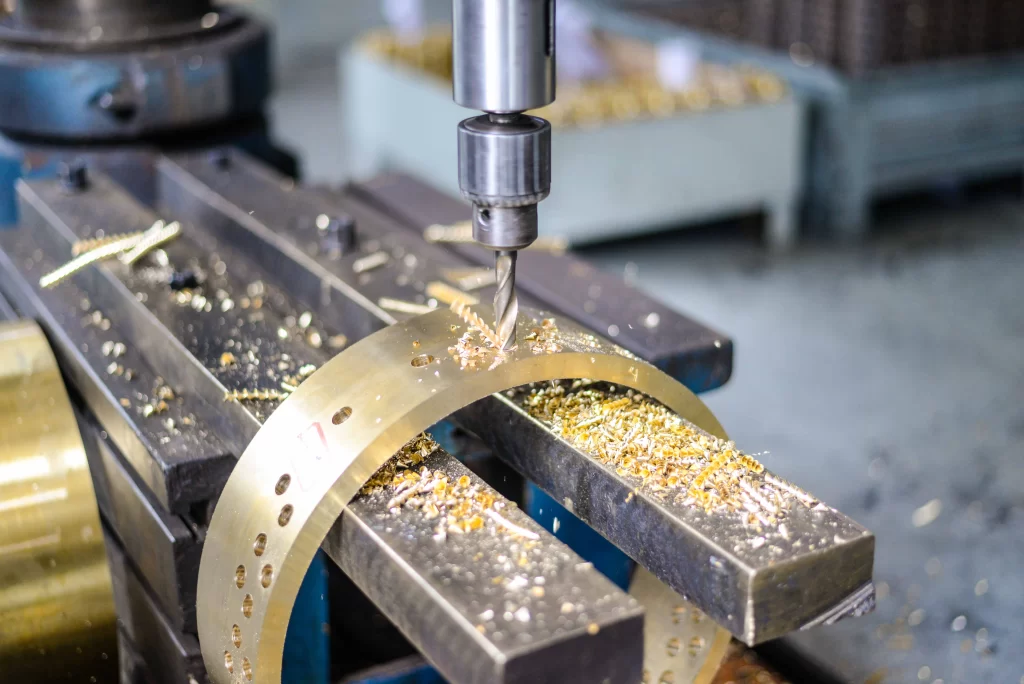
In the realm of mechanical engineering and industrial machinery, few components are as essential yet understated as the bronze bushing. These cylindrical plain bearings serve as the silent backbone of countless mechanical systems, enabling smooth rotational and linear motion while protecting valuable equipment from premature wear and failure. From the towering cranes at construction sites to the precision instruments in aerospace engineering, bronze bushings are indispensable across virtually every industrial sector

Plain Bearings: The Engineering Foundation for Heavy-Duty Industrial Applications
Interpretation of Bushing Knowledge

Plain Bearings: The Engineering Foundation for Heavy-Duty Industrial Applications

Plain bearings—also referred to as plane bearings, sleeve bearings, journal bearings, or bushings—represent one of the most fundamental and enduring mechanical components in industrial engineering. Unlike rolling-element bearings that utilize balls or rollers to separate moving parts, plain bearings operate on a simple yet highly effective principle: a smooth bearing surface supports a rotating or sliding shaft with a thin film of lubricant interposed between the two surfaces

Bronze vs. Brass: A Comprehensive Technical Comparison for Industrial Bushing Applications
Interpretation of Bushing Knowledge

Bronze vs. Brass: A Comprehensive Technical Comparison for Industrial Bushing Applications

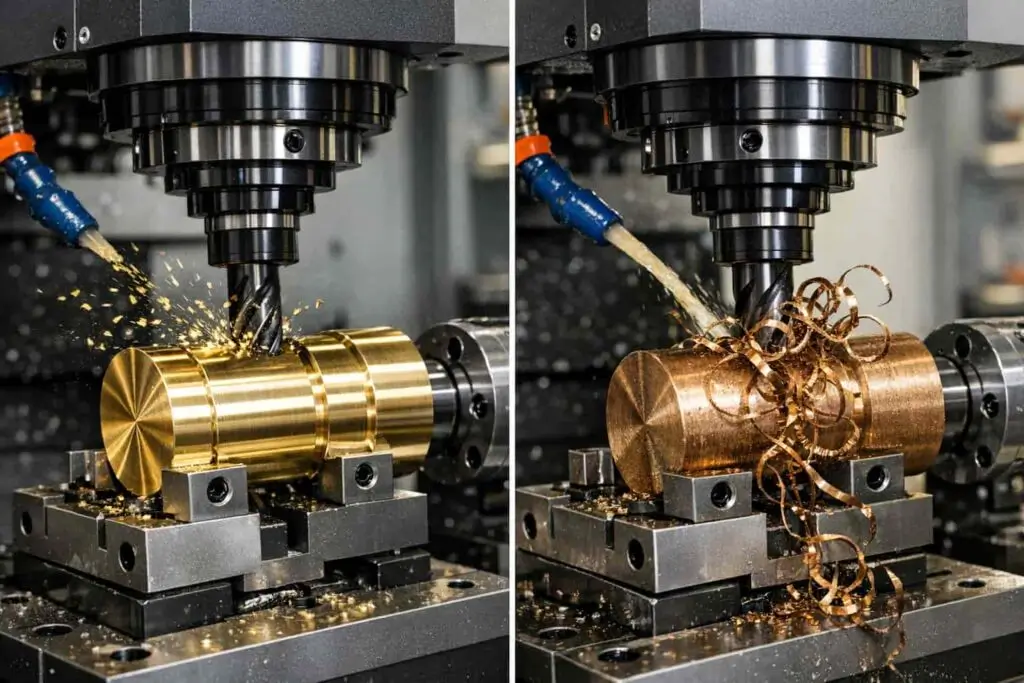
Bronze and brass represent two of the most widely utilized copper-based alloy families in industrial manufacturing. Despite their visual similarities and shared copper foundation, these materials exhibit fundamentally distinct metallurgical characteristics that dictate their suitability for specific engineering applications. For procurement engineers, maintenance managers, and design professionals engaged in bushing and bearing selection, understanding the nuanced differences between bronze and brass is not merely an academic exercise—it is a critical determinant of equipment reliability, operational longevity, and total cost of ownership.

Graphite Dry Bushings: The Complete Guide to Self-Lubricating Bearing Technology
Interpretation of Bushing Knowledge

Composition of Bronze: Alloying Elements, Material Properties, and Industrial Applications

The composition of bronze is a subject of ongoing relevance in metallurgy and industrial engineering. While many recognize bronze as an alloy of copper and tin, the precise formulation varies significantly depending on the intended application. Bronze is not a single material but rather a family of copper-based alloys, each tailored for specific mechanical, chemical, or physical requirements.

This document provides a comprehensive analysis of bronze composition, ranging from its historical origins to modern engineering alloys. Emphasis is placed on bronze alloys commonly used in bushing and bearing applications. For organizations seeking high-performance bronze bushings, MYWAY offers custom-engineered solutions backed by decades of manufacturing experience.

The Definitive Guide to Bronze Material: Composition, Properties, and Industrial Applications
Interpretation of Bushing Knowledge

The Definitive Guide to Bronze Material: Composition, Properties, and Industrial Applications

The global sliding bearing market, valued at USD 1.41 billion in 2025, is projected to expand at a CAGR of 6.7% to reach USD 2.53 billion by 2034. Within this growing landscape, bronze material remains the cornerstone of high-performance bearing and bushing engineering. Engineers and procurement specialists who comprehend the technical nuances of bronze alloys gain a decisive advantage in specifying components that maximize operational longevity while minimizing total cost of ownership.

Scroll to Top