self-lubricating bushing

Lead in Bronze: The Self-Lubricating Metallurgical Solution for High-Performance Bearings and Bushings
Interpretation of Bushing Knowledge

Lead in Bronze: The Self-Lubricating Metallurgical Solution for High-Performance Bearings and Bushings

In the domain of plain bearing engineering, few material innovations have demonstrated the enduring practicality of leaded bronze alloys. The incorporation of lead into bronze matrices represents a deliberate metallurgical strategy—one that transforms a copper-tin base into a self-lubricating, anti-seizing, and highly embeddable engineering material. Leaded bronze bushings and bearings have become foundational components across heavy machinery, automotive systems, marine equipment, and industrial transmissions, precisely because the lead phase within the alloy delivers functional advantages that no single alternative material can fully replicate
Self-Lubricating Bushings: The Maintenance-Free Solution for Demanding Industrial Applications
Interpretation of Bushing Knowledge

Self-Lubricating Bushings: The Maintenance-Free Solution for Demanding Industrial Applications

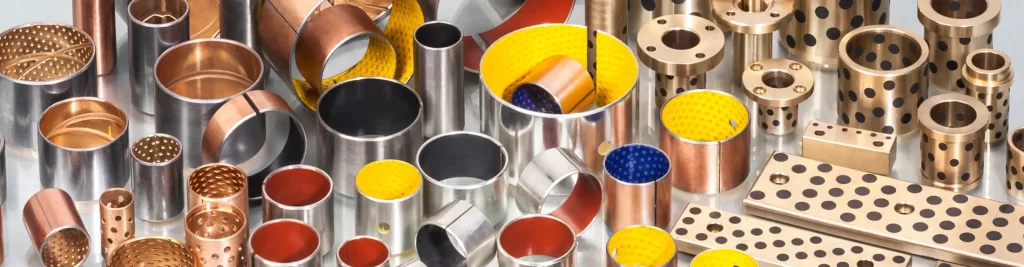
In the realm of mechanical engineering, friction remains the perennial adversary of efficiency, reliability, and longevity. Traditional bearing systems that depend on external lubricants—oils, greases, or other liquid formulations—introduce a host of operational challenges: scheduled maintenance interruptions, contamination risks, lubrication breakdown under extreme temperatures, and the ever-present possibility of dry-running failures when lubrication systems falter. Self-lubricating bushings represent a paradigm shift in plain bearing technology, offering engineers a path to maintenance-free operation, enhanced reliability, and significant cost reduction across a broad spectrum of industrial applications

Bronze Gears: The Engineering Backbone of Heavy-Duty Power Transmission
Interpretation of Bushing Knowledge

Bronze Gears: The Engineering Backbone of Heavy-Duty Power Transmission

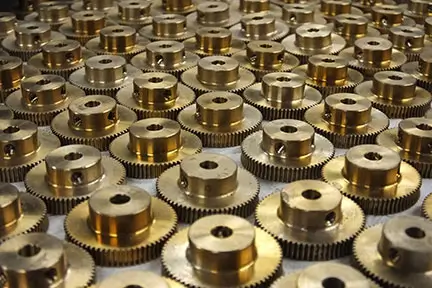
Bronze gears represent one of the most enduring and reliable solutions in mechanical power transmission. While steel gears dominate high-speed, high-load applications, bronze gears occupy a critical niche where low friction, corrosion resistance, and exceptional wear characteristics are paramount. From marine propulsion systems to aerospace landing gear assemblies, bronze gears continue to prove their value across industries that demand uncompromising performance in challenging environments.

Brass Is Copper – A Ten‑Point Engineering Deep Dive into High‑Performance Copper‑Alloy Bushings
Interpretation of Bushing Knowledge

Brass Is Copper – A Ten‑Point Engineering Deep Dive into High‑Performance Copper‑Alloy Bushings

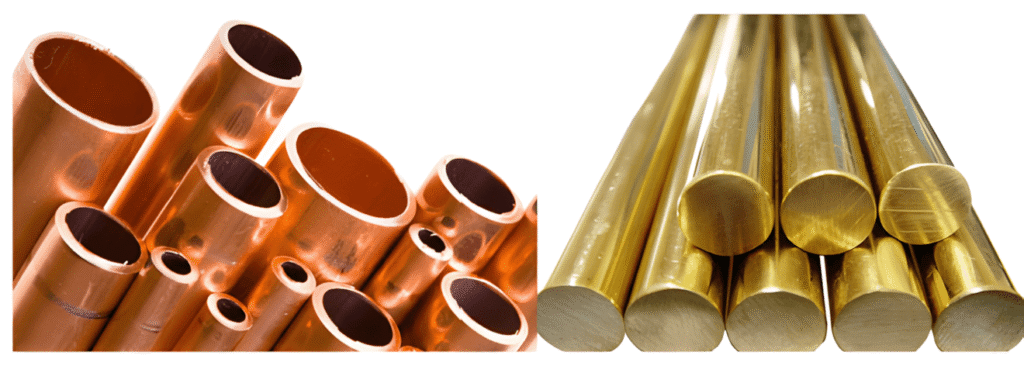
Every brass bushing begins its life as copper. This is not a metaphor—it is metallurgical fact. Brass is fundamentally a copper‑based alloy, typically containing 60% to 90% copper, with zinc and other elements added to enhance strength, machinability, and wear resistance. Understanding that “brass is copper” unlocks a clearer view of the entire family of copper‑based bearing materials: pure copper, versatile brass, and the superior bronze alloys that dominate demanding bushing applications.

The Definitive Guide to Bronze Material: Composition, Properties, and Industrial Applications
Interpretation of Bushing Knowledge

The Definitive Guide to Bronze Material: Composition, Properties, and Industrial Applications

The global sliding bearing market, valued at USD 1.41 billion in 2025, is projected to expand at a CAGR of 6.7% to reach USD 2.53 billion by 2034. Within this growing landscape, bronze material remains the cornerstone of high-performance bearing and bushing engineering. Engineers and procurement specialists who comprehend the technical nuances of bronze alloys gain a decisive advantage in specifying components that maximize operational longevity while minimizing total cost of ownership.

Bushing vs Bearing: Stop Guessing – Pick the Right One for Long-Lasting Performance
Interpretation of Bushing Knowledge

Bushing vs Bearing: Stop Guessing – Pick the Right One for Long-Lasting Performance

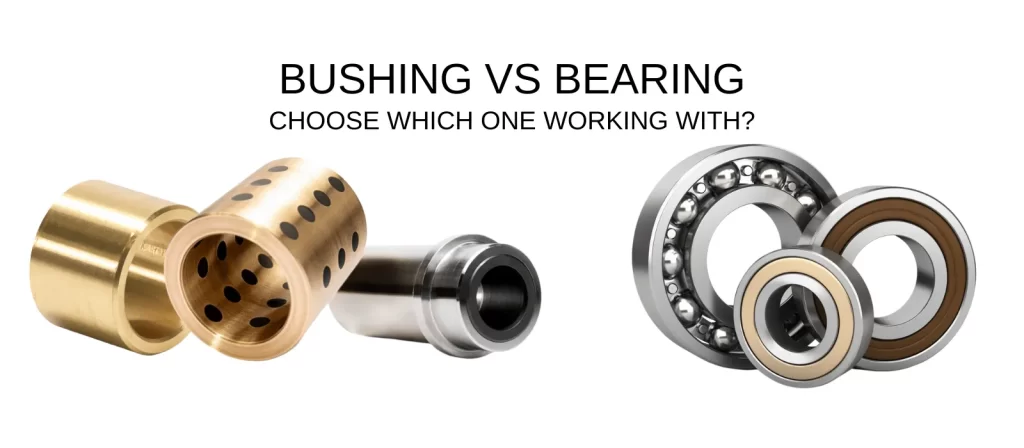
When building or maintaining machinery, one question comes up again and again: Bushing or bearing — what’s the difference, and which one is right for my application?

Here’s the honest truth: a bushing is a type of bearing. Specifically, it‘s what engineers call a “plain bearing” or “sleeve bearing.” But not every bearing is a bushing — ball bearings and roller bearings work differently, cost more upfront, and serve different purposes-. Understanding the real difference between these two categories isn’t just technical trivia — it’s the key to lower maintenance costs, fewer breakdowns, and longer equipment life.

Common Wear Plate Materials, Performance Features and Industrial Application
Interpretation of Bushing Knowledge

Common Wear Plate Materials, Performance Features and Industrial Application

In heavy industries such as mining, construction and metallurgy, equipment surface wear, impact damage, erosion and corrosion are key pain points affecting operation and maintenance. Friction from raw materials accelerates metal wear, causing frequent failures, production downtime, higher replacement costs and lower efficiency.
Choosing suitable wear plate materials is the most cost-effective wear protection solution. Hardness, toughness, impact resistance and other properties directly determine the service life of accessories. This article sorts out mainstream wear plate materials, their performance, applicable scenarios and selection principles, and recommends MYWAY custom wear-resistant bushings to help buyers build an anti-wear system, reduce costs and extend equipment life.

MYWAY Metal Bushing: High-Performance Wear Solutions for Heavy-Duty Machinery
Interpretation of Bushing Knowledge

MYWAY Metal Bushing: High-Performance Wear Solutions for Heavy-Duty Machinery

MYWAY Metal Bushing is a professional manufacturer of high-performance metal bushings for heavy‑duty machinery. We provide hardened steel, stainless steel, alloy steel, and self‑lubricating bushings in various types including plain, flanged, grooved, spherical, and tapered designs. Strictly manufactured to ISO standards with precise tolerances, our bushings deliver exceptional wear resistance, high load capacity, and long service life.
They are widely used in construction machinery, mining equipment, agricultural machinery, hydraulic systems, automotive, marine, and industrial fields. We support OEM customization, fast delivery, and reliable after‑sales service. MYWAY bushings effectively reduce equipment downtime, lower maintenance costs, and can directly replace OEM parts from Caterpillar, Komatsu, Hitachi, JCB, John Deere, and other brands. We are committed to being your long‑term partner for durable, cost‑effective bushing solutions.

MYWAY DU Bushing: The Maintenance‑Free Self‑Lubricating Solution for High‑Load & Extreme‑Temperature Applications
Interpretation of Bushing Knowledge

MYWAY DU Bushing: The Maintenance‑Free Self‑Lubricating Solution for High‑Load & Extreme‑Temperature Applications

Unexpected bearing failures and frequent lubrication of hard-to-reach components lead to costly downtime and reduced productivity. A DU bushing—also known as a dry, self-lubricating, or oil‑free bushing—eliminates these issues. Engineered for maintenance‑free operation, it resists contamination and prevents unexpected failures.

When combined with the manufacturing precision of Zhejiang MYWAY Co., Ltd., DU bushings deliver reliable performance at a competitive cost.

This guide explains what a DU bushing is, how it works, its key applications, and why MYWAY DU Bushings are the preferred choice for demanding industrial and automotive environments.

Scroll to Top