Author name: MYWAY

OEM C63000 Nickel Aluminum Bronze – The Ultimate High-Strength Alloy for Demanding Industrial Applications
Interpretation of Bushing Knowledge

OEM C63000 Nickel Aluminum Bronze – The Ultimate High-Strength Alloy for Demanding Industrial Applications

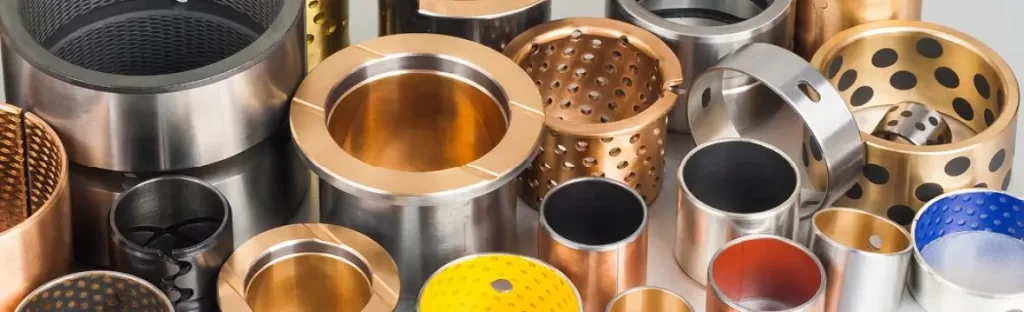
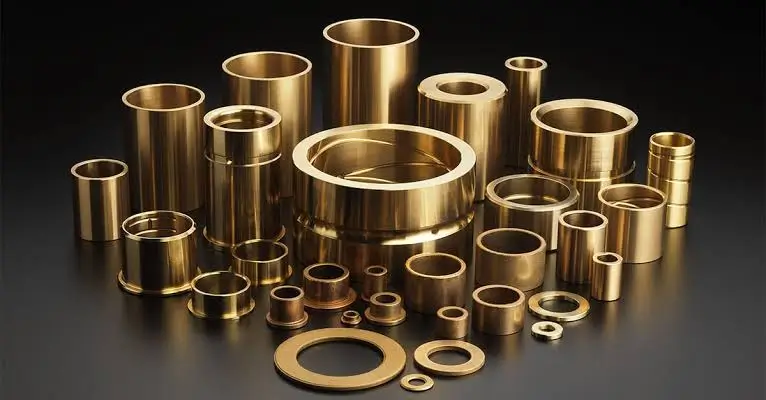
In the realm of industrial engineering, material selection directly dictates equipment reliability, service life, and operational safety. Among the vast family of copper-based alloys, C63000 nickel aluminum bronze stands out as a premier choice for components subjected to heavy loads, corrosive media, and abrasive environments. As OEM requirements grow increasingly stringent, understanding the full capabilities of this alloy becomes essential for procurement specialists, design engineers, and maintenance managers alike. This article delivers a comprehensive, data-free examination of C63000 nickel aluminum bronze, focusing exclusively on its functional advantages and real-world applications, while positioning MYWAY bushings as the benchmark solution for critical rotating and sliding assemblies.
C63000 Aluminum Bronze: The Premier Alloy for High-Strength, Corrosion-Resistant Engineering Components
Interpretation of Bushing Knowledge

C63000 Aluminum Bronze: The Premier Alloy for High-Strength, Corrosion-Resistant Engineering Components

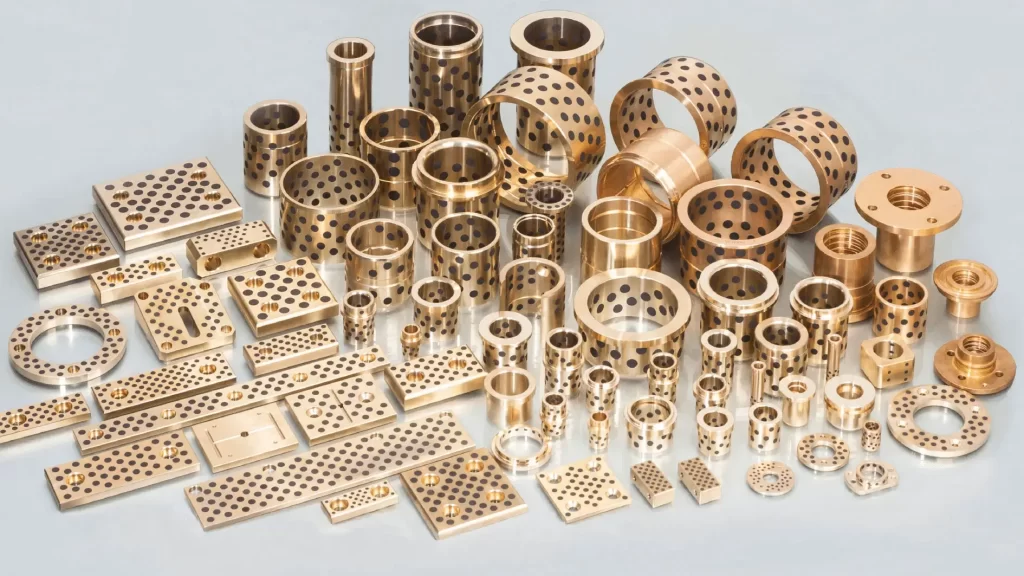
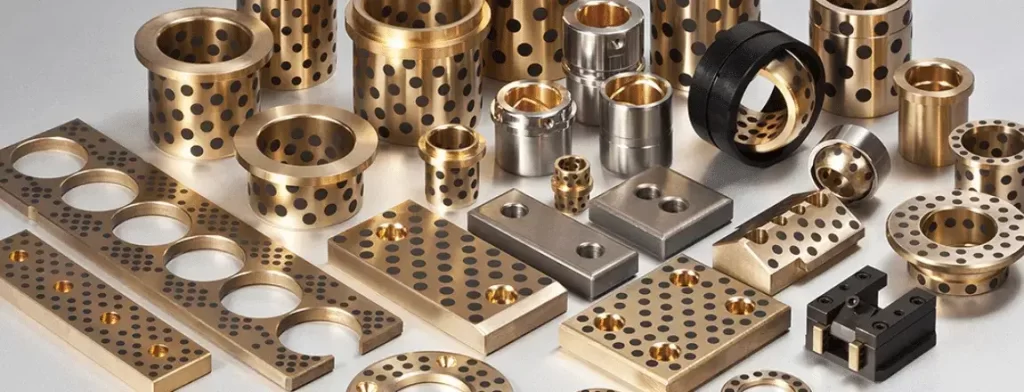
In the demanding world of industrial engineering, material selection dictates operational longevity and mechanical reliability. Among the pantheon of copper-based alloys, C63000 (also known as Nickel Aluminum Bronze) stands as a paragon of metallurgical excellence. This article explores the multifaceted nature of C63000, detailing its mechanical properties, wide-ranging applications, and pivotal role in heavy machinery. As we dissect its advantages, we also introduce MYWAY’s precision-engineered bushings—crafted to leverage the full potential of this superior alloy for your critical operations.

Marine Propeller Bronze Bushings: Engineering Reliability for Propulsion Systems
Interpretation of Bushing Knowledge

Marine Propeller Bronze Bushings: Engineering Reliability for Propulsion Systems

The marine propulsion system represents one of the most demanding mechanical environments in engineering. At the heart of this system lies a critical component that often goes unnoticed—the propeller shaft bushing. This unassuming component bears the brunt of heavy loads, corrosive seawater, and continuous rotational stress. Understanding the nuances of marine propeller bronze bushings is essential for naval architects, fleet operators, and maintenance engineers seeking to optimize vessel performance and reduce operational downtime. This comprehensive exploration delves into the material science, design principles, installation methodologies, and maintenance strategies that underpin reliable propeller shaft bearing performance in modern maritime operations.

Pilot Bearing vs. Bushing: Critical Component Selection for Manual Transmission Performance
Interpretation of Bushing Knowledge

Pilot Bearing vs. Bushing: Critical Component Selection for Manual Transmission Performance

The interface between engine and transmission represents one of the most critical mechanical junctions in any manual transmission vehicle. Within this connection resides a small but essential component that directly influences clutch operation, shift quality, and drivetrain longevity. The pilot bearing or pilot bushing, pressed into the crankshaft or flywheel, supports and centers the transmission input shaft while accommodating the speed differential between engine and transmission during clutch disengagement . This component selection directly impacts transmission performance, maintenance intervals, and the risk of catastrophic drivetrain failure. Understanding the distinctions, applications, and operational characteristics of each option remains essential for builders, technicians, and performance enthusiasts seeking to optimize manual transmission reliability.

Precision Worm Gears: The Definitive Resource for High-Accuracy Power Transmission and Motion Control
Interpretation of Bushing Knowledge

Precision Worm Gears: The Definitive Resource for High-Accuracy Power Transmission and Motion Control

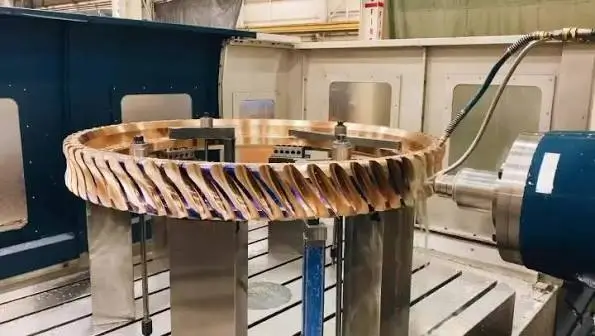
In the realm of mechanical power transmission and motion control, precision is not merely a specification—it is a fundamental operational mandate. While worm gears represent one of the oldest gearing technologies, modern innovations in CNC machining, materials science, and tooth form design have elevated them to indispensable components in mission-critical applications. From aerospace manufacturing and medical device production to solar energy tracking systems and high-end machine tools, precision worm gears deliver the unique combination of high reduction ratios, compact form factors, and exceptional positional accuracy that alternative gearing solutions struggle to match.

From Slag to Functional Material: Reassessing the Engineering Value of Metallurgical Slag under High-Temperature Abrasive Conditions
Interpretation of Bushing Knowledge

From Slag to Functional Material: Reassessing the Engineering Value of Metallurgical Slag under High-Temperature Abrasive Conditions

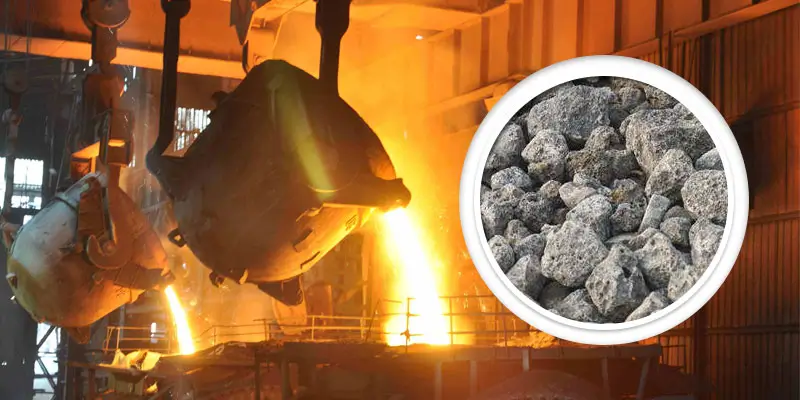
Within the closed-loop ecosystem of the metallurgical industry, slag has long been regarded as a troublesome by-product. However, as tribology, high-temperature materials science, and surface engineering converge, the physicochemical characteristics of metallurgical slag—encompassing blast furnace slag, converter slag, electric arc furnace slag, and ladle refining slag—are being systematically deconstructed and functionally reconfigured. For metallurgical equipment directly exposed to molten slag scouring, thermal shock cycling, and abrasive wear, slag serves both as the processed medium and as a “touchstone” for assessing equipment reliability. This article provides a layered, engineering-oriented analysis of how slag properties affect the selection of bushings, liners, and friction components, offering actionable references for plant engineers and procurement decision-makers.

Copper Alloy Bushings for Rolling Mills: Comprehensive Material Selection and Application Adaptation to Ensure Efficient Mill Operation
Interpretation of Bushing Knowledge

Copper Alloy Bushings for Rolling Mills: Comprehensive Material Selection and Application Adaptation to Ensure Efficient Mill Operation

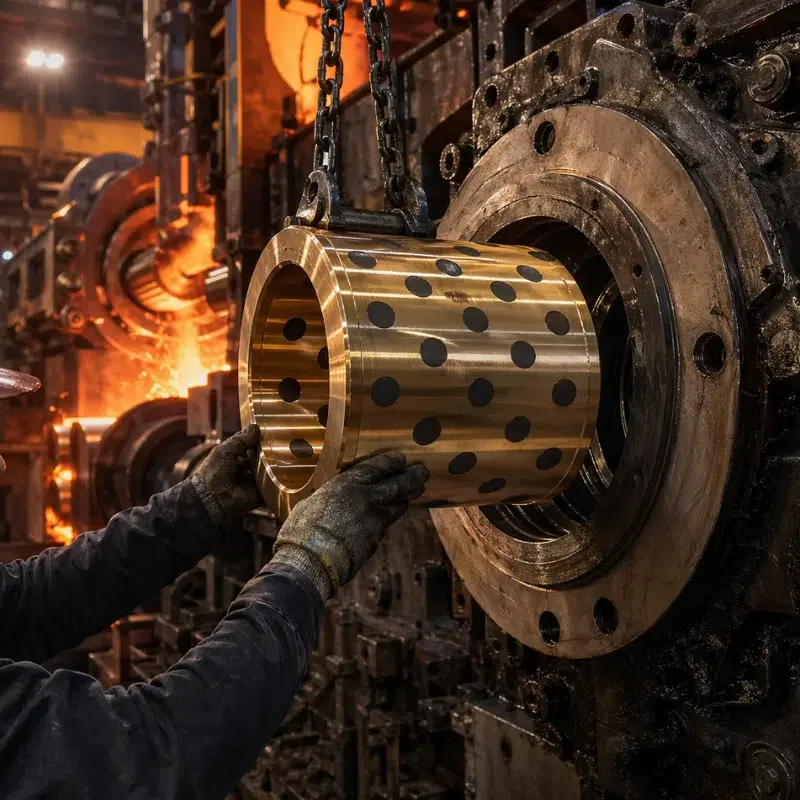
In steel rolling production lines, copper alloy bushings serve as critical foundational components that carry rolling forces and ensure equipment precision, with their performance directly determining mill availability and product quality. Whether in hot or cold rolling processes, rolling mill bushings must withstand enormous radial and axial loads, impact loads during bite-in, and thermal cycling stresses from alternating high temperatures and cooling water. Taking the short-stress-path rolling mill as an example, the stress state of bushings in the roll gap adjustment mechanism directly affects the spatial position stability of the rolling line—bushing wear or fixing bolt fracture leads to pull rod sagging and rolling line deviation, subsequently causing surface defects such as head warping, scratching, and folding, and in severe cases, even resulting in major equipment failures such as rolling mill bearing burnout and abnormal roll wear. Therefore, material grade selection, structural parameter design, lubrication method matching, and manufacturing process control of bushings all directly relate to mill operational reliability and product dimensional accuracy.

MYWAY Metal Bushing: High-Performance Wear Solutions for Heavy-Duty Machinery
Interpretation of Bushing Knowledge

Professional Bushing Manufacturer: MYWAY Full Range of Bushing Products – Technical Advantages and In-Depth Application Analysis

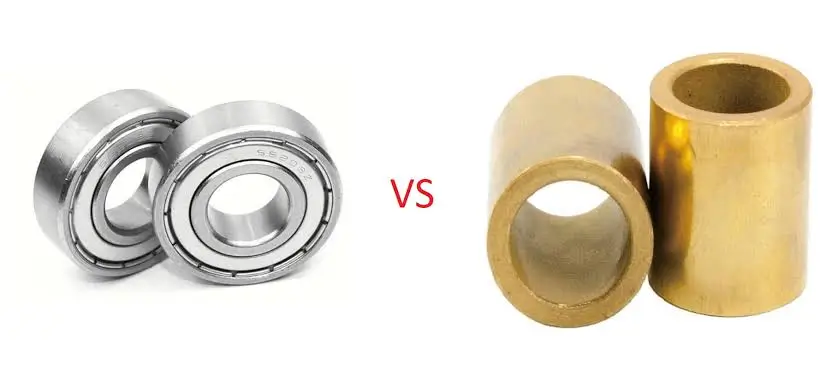
Bushings (also referred to as plain bearings, sleeve bearings, journal bearings, or sliding bearings) serve as fundamental tribological components in modern industrial equipment, with their performance directly determining operational reliability, efficiency, and service life. From automotive chassis and construction machinery pivot points to hydraulic systems, industrial robot joints, wind turbine assemblies, and food processing equipment, proper bushing selection can significantly reduce frictional power losses, minimize maintenance frequency, extend overhaul intervals, and generate substantial long-term economic value for end users.

Interpretation of Bushing Knowledge

Low Friction Sliding Material Bushings: Engineering Principles for Operational Excellence

The relationship between mating mechanical surfaces fundamentally determines the efficiency, reliability, and longevity of industrial equipment. Among the various solutions developed to manage this interface, low friction sliding material bushings have emerged as a sophisticated response to the persistent challenges of energy loss, thermal generation, and progressive wear. These components serve as the critical interface between rotating or oscillating shafts and their housings, providing a controlled sliding surface that minimizes resistance while maintaining precise alignment.

Interpretation of Bushing Knowledge

Precision Gear Manufacturing: Engineering Motion Control for Advanced Industrial Applications

Precision gear manufacturing represents the convergence of metallurgical science, ultra-precision machining, and rigorous quality control. In an era where industrial automation, robotics, and miniaturized systems demand ever-increasing accuracy, the humble gear train has evolved into a sophisticated engineering masterpiece. From surgical robots performing micro-incisions to wind turbines harnessing renewable energy, precision gears enable controlled motion, torque transmission, and positional accuracy across virtually every advanced industry. This article examines the functions and applications of precision gear manufacturing while highlighting the critical role of complementary components—particularly bushings—in ensuring system longevity and reliability.

Scroll to Top