Interpretation of Bushing Knowledge

Molybdenum in Steel Metallurgy: Building Hardenability, Temper Resistance, Corrosion Resistance, and Creep Strength
Interpretation of Bushing Knowledge

Molybdenum in Steel Metallurgy: Building Hardenability, Temper Resistance, Corrosion Resistance, and Creep Strength

Molybdenum is often specified as a percentage on a mill test certificate, yet its commercial value comes from the microstructures it helps create and preserve. In carbon and low-alloy steel, molybdenum can delay transformation, improve hardenability, resist temper softening, and support elevated-temperature strength. In chromium-molybdenum pressure materials, it contributes to creep resistance and process reliability. In stainless steel, it strengthens resistance to localized corrosion in appropriate alloy systems. These functions are not automatic. Carbon, chromium, nickel, nitrogen, boron, section size, austenitising cycle, cooling rate, tempering, welding heat input, and service environment determine whether molybdenum produces the intended result.
Rolling Mills Steel Metallurgy: How Deformation, Temperature, and Cooling Define Steel Performance
Interpretation of Bushing Knowledge

Rolling Mills Steel Metallurgy: How Deformation, Temperature, and Cooling Define Steel Performance

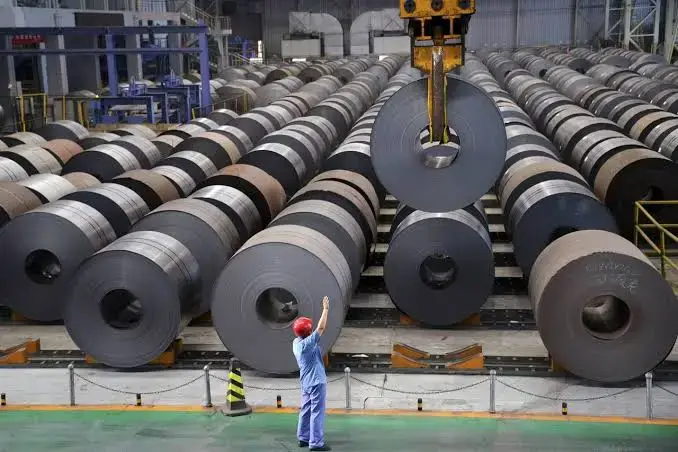
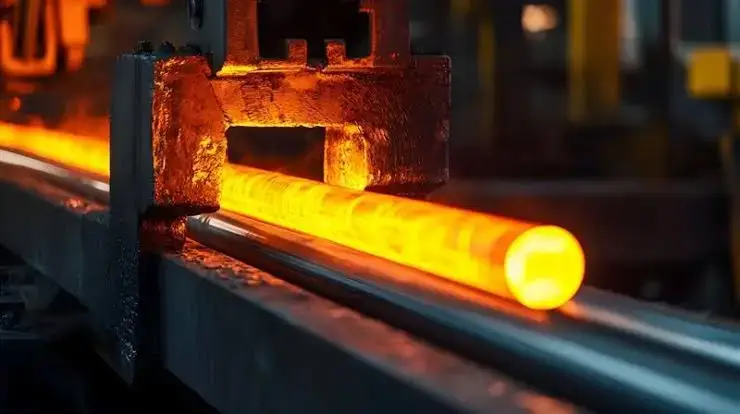
Steel rolling is commonly described as thickness reduction, but its metallurgical effect is more consequential. Reheating, descaling, roughing, finishing, coiling, cold reduction, annealing, and temper rolling determine grain size, texture, residual stress, surface condition, flatness, strength, formability, and downstream consistency. A coil with the correct nominal thickness can still be unsuitable if its microstructure, crown, edge condition, or mechanical-property variation is not controlled. For customers buying hot rolled steel coil, cold rolled steel sheet, plate, strip, bar, or rolling-mill equipment, the valuable discussion begins with process capability rather than with gauge alone.

Oilless Bushing Metallurgy: Solid Lubricants, Bronze, and Composite Layers Under Load
Interpretation of Bushing Knowledge

Oilless Bushing Metallurgy: Solid Lubricants, Bronze, and Composite Layers Under Load

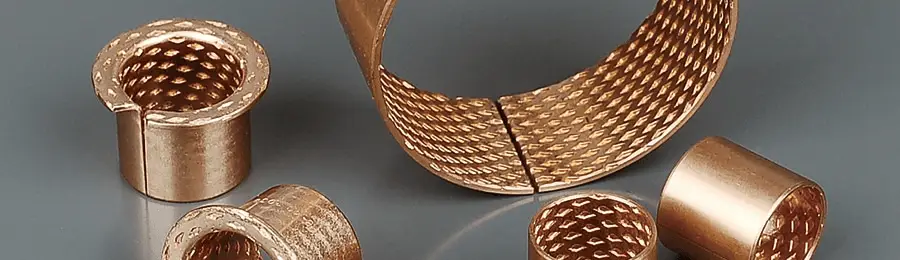
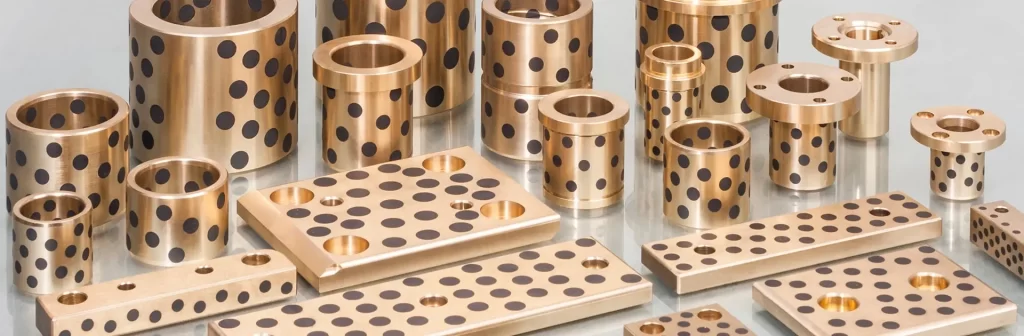
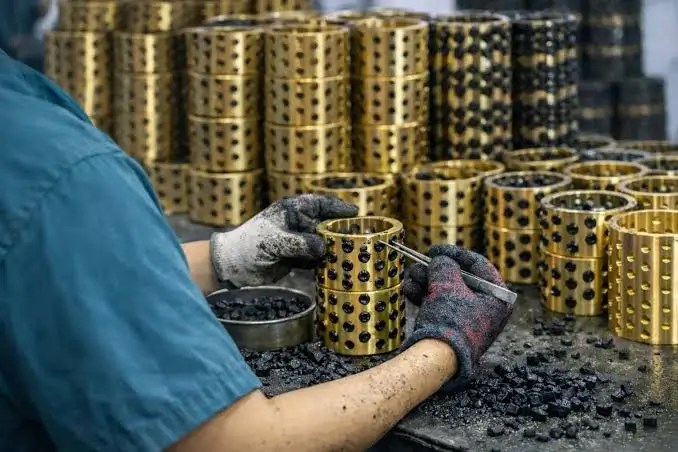
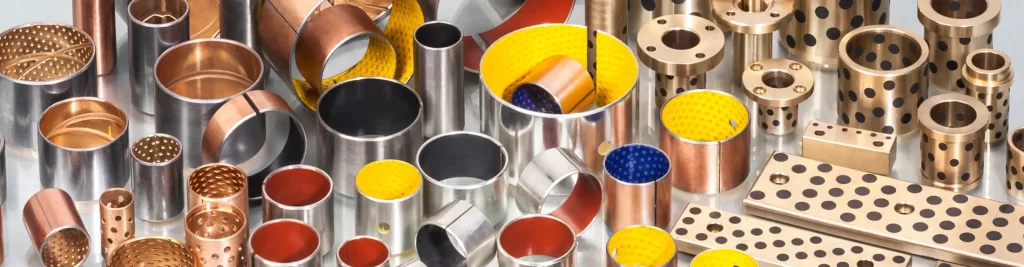
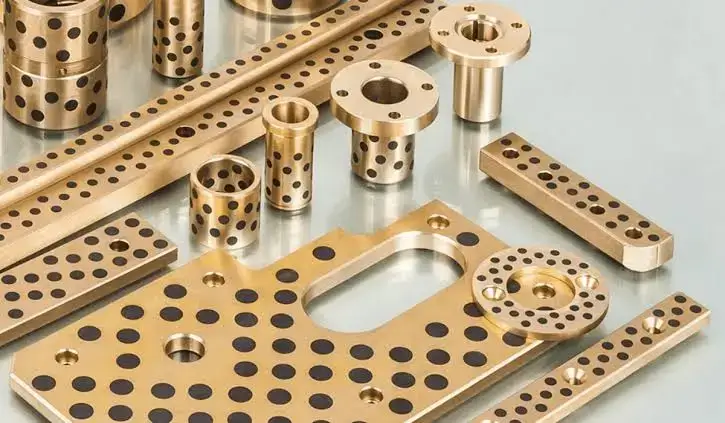
The phrase “oilless bushing” is useful in search and procurement, but it can conceal important engineering differences. Some self-lubricating bushings rely on graphite plugs embedded in cast bronze. Others use a steel-backed, porous bronze interlayer with a PTFE-based sliding surface. A third category is a sintered bronze bearing whose connected porosity stores oil released during service. Each system reduces or eliminates routine external oiling in a defined operating window; none removes the need to control pressure, speed, heat, shaft finish, alignment, and contamination. The metallurgy determines how the bearing carries load, transfers lubricant, and survives wear.

The Bronze Bushing
Interpretation of Bushing Knowledge

Flanged Bronze Bushing Metallurgy: Engineering the Bearing Surface That Carries Both Load and Thrust

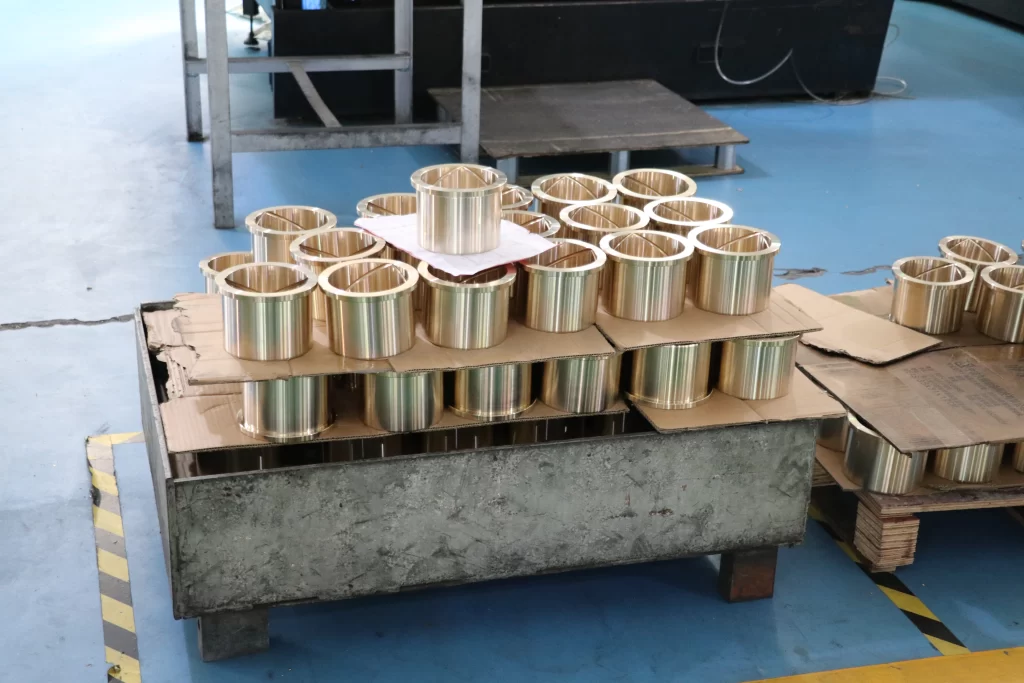
A flanged bronze bushing is a deceptively compact tribological component. Its cylindrical wall supports radial load, while the integral flange locates the assembly and accepts axial thrust. In a pump, hydraulic cylinder, agricultural pivot, construction machine, gear reducer, marine mechanism, or heavy-duty OEM assembly, that two-direction role makes alloy selection and manufacturing control consequential. The best bushing is not simply the hardest bronze or the lowest-priced sleeve: it is the material, geometry, lubrication arrangement, shaft condition, clearance, and inspection plan that work together under the actual duty cycle.

The Metallurgical Edge: Aluminum Lined Bearings for High-Performance Industrial Motion
Interpretation of Bushing Knowledge

The Metallurgical Edge: Aluminum Lined Bearings for High-Performance Industrial Motion

The evolution of bearing metallurgy has consistently gravitated toward solutions that balance strength, weight, and operational efficiency. Among these advancements, aluminum lined bearings have emerged as a cornerstone technology for industries ranging from automotive to heavy machinery. These components, characterized by a robust steel backing and a precision-engineered aluminum-based lining, offer a compelling combination of load capacity, fatigue resistance, and lightweight construction.

The Metallurgical Engineering of Bronze Sleeve Bearings: Alloy Selection, Load Dynamics, and Industrial Application
Interpretation of Bushing Knowledge

The Metallurgical Engineering of Bronze Sleeve Bearings: Alloy Selection, Load Dynamics, and Industrial Application

Bronze sleeve bearings, classified as plain bearings or journal bearings, constitute a foundational component within mechanical engineering, providing a critical interface for rotating or linear motion between a shaft and a housing. Functioning as bushings, these components leverage the inherent tribological advantages of copper-based alloys to reduce friction, manage heat dissipation, and absorb operational loads. The extensive utility of bronze sleeve bearings, from automotive powertrains and heavy construction equipment to precision machine tools and marine propulsion systems, is attributable to the versatile metallurgical properties of bronze. Unlike rolling element bearings that rely on point contact, sleeve bearings employ a larger surface contact area, enabling them to support significant radial loads, accommodate shock loading, and offer resistance to mechanical wear

Spherical Plain Bearing: Essential Component for Heavy-Duty Industrial Linkages
Interpretation of Bushing Knowledge

Spherical Plain Bearing: Essential Component for Heavy-Duty Industrial Linkages

Spherical plain bearings, also known as spherical bushings or plain shaft bearings, serve as critical components in heavy machinery and industrial equipment where angular misalignment, oscillating movements, and substantial load capacities converge. These bearings facilitate smooth rotational motion between two components through a sliding contact interface between an inner ring and an outer ring with a spherical geometry. Unlike rolling-element bearings, spherical plain bearings rely on sliding surfaces to accommodate both radial loads and thrust loads in multiple directions, making them indispensable for demanding applications in construction machinery, agricultural equipment, hydraulic systems, and metallurgical plants

Wear Plates: Material Performance, Metallurgical Working Conditions & Matched Wear Protection Solutions
Interpretation of Bushing Knowledge

Wear Plates: Material Performance, Metallurgical Working Conditions & Matched Wear Protection Solutions

Severe abrasion, continuous impact, high-temperature erosion and material friction are persistent bottlenecks restricting stable production in metallurgy, mineral processing and heavy industrial manufacturing. Wear plates, also known as abrasion-resistant liners or slide plates, serve as sacrificial protective components installed on equipment contact surfaces to bear abrasive load, buffer impact force and avoid premature failure of expensive main equipment structures. Improper material selection of wear plates will trigger frequent shutdown maintenance, soaring spare parts consumption and increased overall operating costs.

Metallurgical Characteristics & Industrial Application Analysis of Bronze Bushings for Sliding Bearing Systems
Interpretation of Bushing Knowledge

Metallurgical Characteristics & Industrial Application Analysis of Bronze Bushings for Sliding Bearing Systems

Bronze bushings represent the most widely adopted copper-based plain bearing components across global heavy manufacturing. Produced from tin bronze, aluminium bronze, manganese bronze and leaded bronze, these sliding sleeves rely on outstanding anti-friction performance, load-bearing capacity and corrosion resistance to replace rolling bearings in low-speed, high-load operating scenarios. With diversified casting technologies including continuous casting and centrifugal casting, bronze bushings can be manufactured as standard cylindrical sleeves, flanged bushings, thrust washers, graphite embedded self-lubricating bearings and custom machined wear plates.

Self-Lubricating Bushings: The Maintenance-Free Solution for Demanding Industrial Applications
Interpretation of Bushing Knowledge

Sleeve Bearing Metallurgy: Material Architectures, Performance Optimization, and Application Engineering

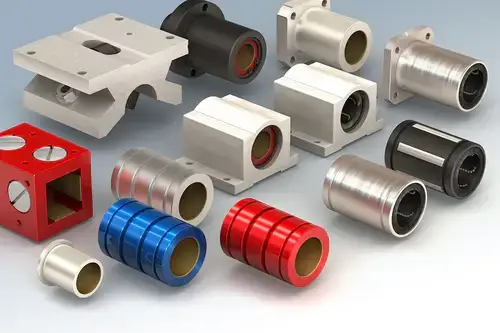
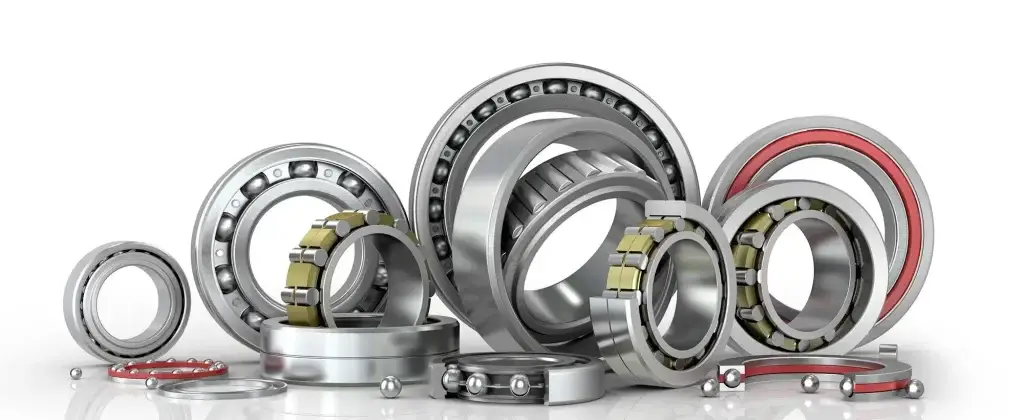
Sleeve bearings, also known as plain bearings, journal bearings, bushings, or sliding bearings, represent one of the most fundamental and widely applied mechanical components in engineering history. Unlike rolling element bearings that utilize balls or rollers to separate moving parts, sleeve bearings employ a sliding action between two conforming surfaces to facilitate linear or rotational movement while reducing friction, absorbing vibration, and supporting loads. The metallurgical composition, material architecture, and manufacturing processes of sleeve bearings directly determine their performance characteristics, service life, and application suitability.

Scroll to Top