sleeve bearing

Self-Lubricating Bushings: Material Systems, Tribology, and Reliable Design for Dry-Running Motion
Interpretation of Bushing Knowledge

Self-Lubricating Bushings: Material Systems, Tribology, and Reliable Design for Dry-Running Motion

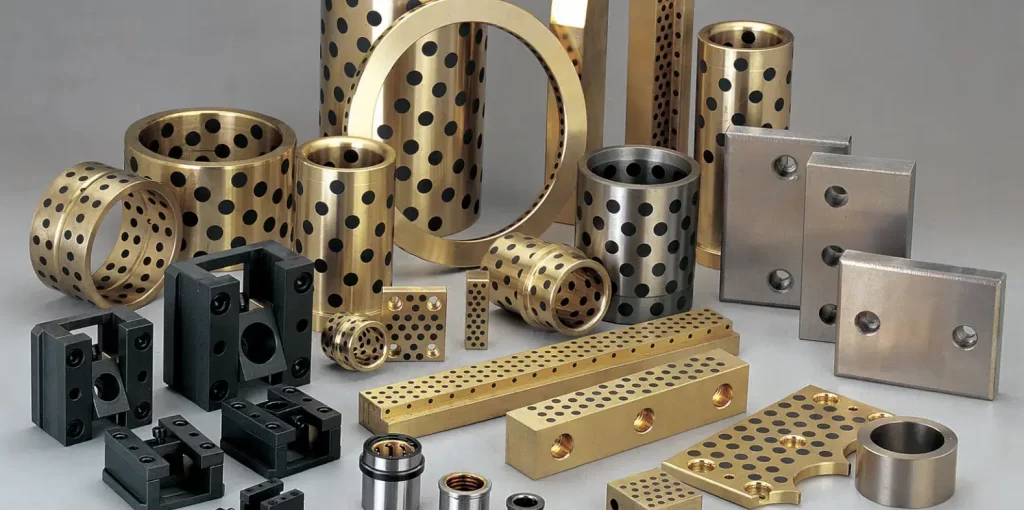
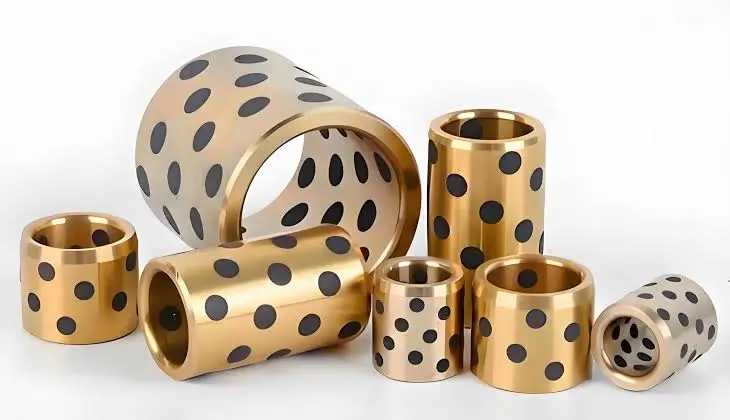
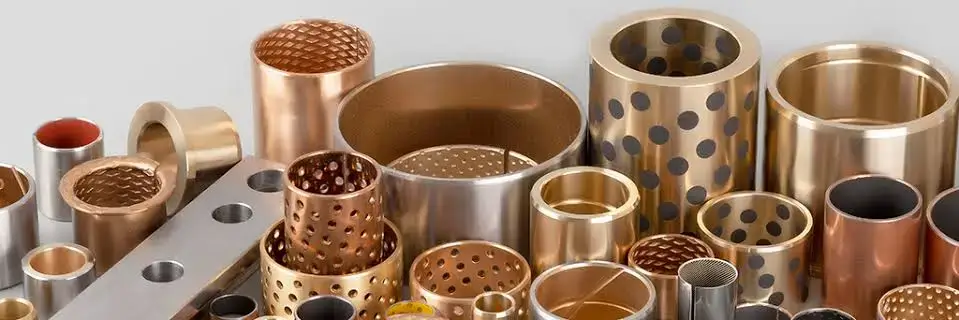
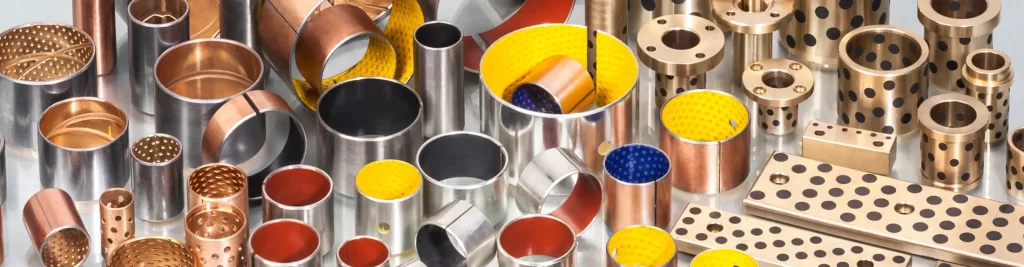
A self-lubricating bushing is a plain bearing designed to reduce friction and wear without a conventional external grease or oil line during normal service. It does not mean that every design is chemically identical, maintenance-free in every environment, or suitable for every load and speed. The term includes oil-impregnated sintered bronze bushings, steel-backed PTFE composite bearings, POM-lined bushes, graphite-plugged bronze bushes, solid-lubricant-dispersed bearings, engineered polymer bushes, and some fabric-lined spherical plain bearings. Each system stores, transfers, or presents lubricant differently.
Good selection starts with the motion and environment: radial or axial load, oscillation or rotation, speed, PV duty, temperature, shock, contamination, mating shaft hardness and finish, housing stiffness, clearance, corrosion, installation method, and service-life target.
Self-Lubricating Bushings: The Maintenance-Free Solution for Demanding Industrial Applications
Interpretation of Bushing Knowledge

Sleeve Bearing Metallurgy: Material Architectures, Performance Optimization, and Application Engineering

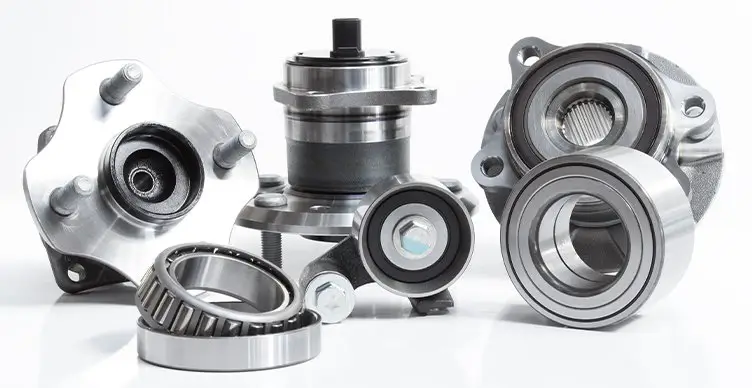
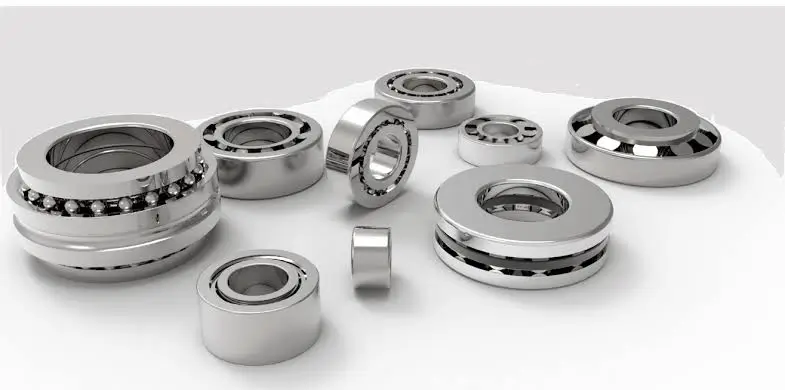
Sleeve bearings, also known as plain bearings, journal bearings, bushings, or sliding bearings, represent one of the most fundamental and widely applied mechanical components in engineering history. Unlike rolling element bearings that utilize balls or rollers to separate moving parts, sleeve bearings employ a sliding action between two conforming surfaces to facilitate linear or rotational movement while reducing friction, absorbing vibration, and supporting loads. The metallurgical composition, material architecture, and manufacturing processes of sleeve bearings directly determine their performance characteristics, service life, and application suitability.

Babbitt Bearing Metallurgy: Material Science, Design Classifications, and Industrial Applications
Interpretation of Bushing Knowledge

Babbitt Bearings: Material Characteristics, Working Mechanism, Classification and Industrial Application Solutions

Rolling bearings occupy dominant market share in general machinery, yet heavy-duty rotating equipment such as turbines, large generators, industrial pumps and blowers still rely heavily on fluid film sliding bearings lined with Babbitt metal. Babbitt bearings, also known as white metal bearings, represent a core type of plain bearing defined by lining material rather than structural form. Since Isaac Babbitt invented Babbitt alloy in 1839, this soft bearing alloy has been widely adopted in heavy industry for its outstanding conformability, embeddability and anti-galling performance.

Interpretation of Bushing Knowledge

Flanged Bushing Solutions: Engineering Performance for Radial and Axial Load Management

Flanged bushings integrate radial load support, axial thrust management, and precise axial positioning into a single component, delivering engineering efficiency across automotive, industrial, agricultural, and aerospace applications. Available in bronze, composite, and wrapped steel constructions, these bushings offer self-lubricating or maintenance-free options tailored to diverse operating conditions. This article examines their structural functions, material selection, application scenarios, and installation considerations, culminating in MYWAY’s advanced manufacturing capabilities for high-performance flanged bushing solutions.

Interpretation of Bushing Knowledge

Bush Mechanical Components: The Essential Guide to Functions, Applications, and Selection

In the realm of mechanical engineering and industrial equipment, few components are as fundamental yet frequently overlooked as the mechanical bushing. A mechanical bush—also referred to as a sleeve bearing, plain bearing, or journal bearing—is a cylindrical lining inserted between a shaft and its housing to reduce friction, absorb impact, support moving parts, and extend the service life of critical machinery. While rolling element bearings rely on balls or rollers to facilitate motion, bushings operate on sliding friction, making them exceptionally well-suited for low-speed, high-load, high-vibration, and harsh environmental conditions.

Metallic Bushes: High-Performance Metal Bearings & Self-Lubricating Bush
Interpretation of Bushing Knowledge

Bronze Bushings: The Engineering Workhorse for Heavy-Duty Industrial Applications

In the realm of mechanical engineering and industrial machinery, few components are as essential yet understated as the bronze bushing. These cylindrical plain bearings serve as the silent backbone of countless mechanical systems, enabling smooth rotational and linear motion while protecting valuable equipment from premature wear and failure. From the towering cranes at construction sites to the precision instruments in aerospace engineering, bronze bushings are indispensable across virtually every industrial sector

Lead in Bronze: The Self-Lubricating Metallurgical Solution for High-Performance Bearings and Bushings
Interpretation of Bushing Knowledge

Lead in Bronze: The Self-Lubricating Metallurgical Solution for High-Performance Bearings and Bushings

In the domain of plain bearing engineering, few material innovations have demonstrated the enduring practicality of leaded bronze alloys. The incorporation of lead into bronze matrices represents a deliberate metallurgical strategy—one that transforms a copper-tin base into a self-lubricating, anti-seizing, and highly embeddable engineering material. Leaded bronze bushings and bearings have become foundational components across heavy machinery, automotive systems, marine equipment, and industrial transmissions, precisely because the lead phase within the alloy delivers functional advantages that no single alternative material can fully replicate

Plain Bearings: The Engineering Foundation for Heavy-Duty Industrial Applications
Interpretation of Bushing Knowledge

Plain Bearings: The Engineering Foundation for Heavy-Duty Industrial Applications

Plain bearings—also referred to as plane bearings, sleeve bearings, journal bearings, or bushings—represent one of the most fundamental and enduring mechanical components in industrial engineering. Unlike rolling-element bearings that utilize balls or rollers to separate moving parts, plain bearings operate on a simple yet highly effective principle: a smooth bearing surface supports a rotating or sliding shaft with a thin film of lubricant interposed between the two surfaces

Bronze and Copper in Industrial Applications: A Comprehensive Guide to Alloy Selection and High-Performance Bushings
Interpretation of Bushing Knowledge

Bronze and Copper in Industrial Applications: A Comprehensive Guide to Alloy Selection and High-Performance Bushings

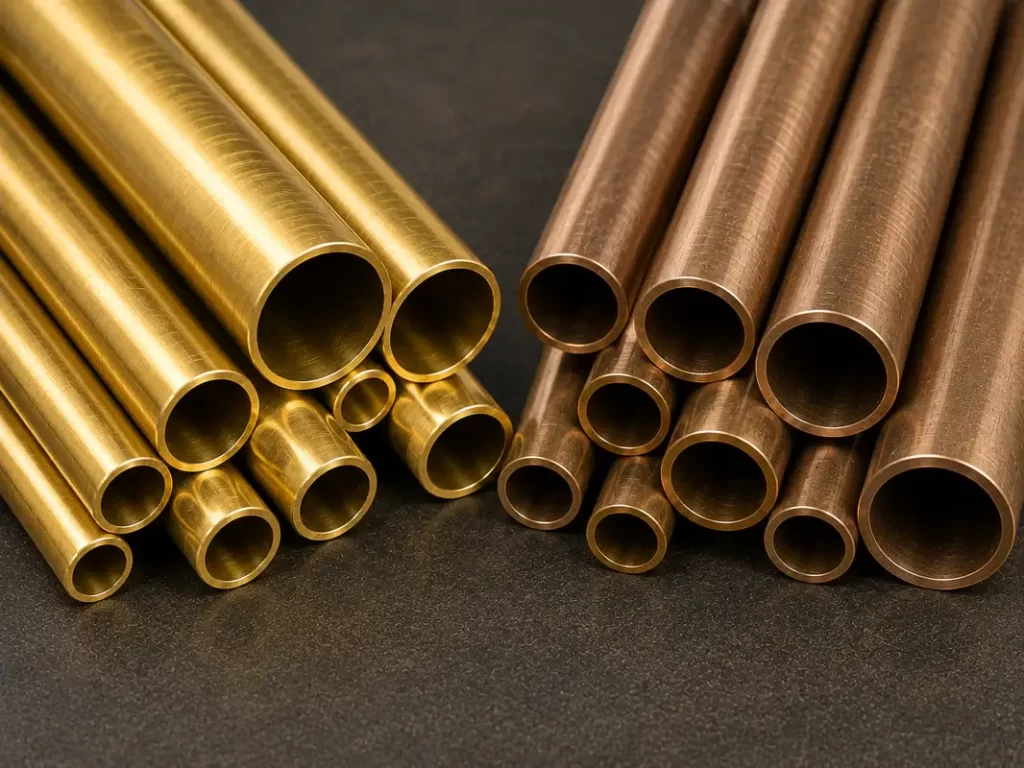
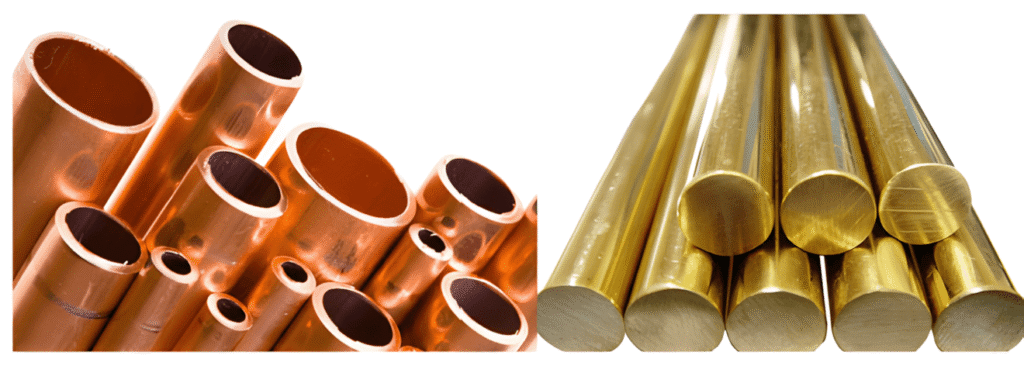
Bronze and copper represent two of the most foundational materials in industrial engineering. As “red metals,” they have served manufacturing, construction, marine, and mechanical sectors for millennia. While copper exists in its pure elemental form with exceptional thermal and electrical conductivity, bronze emerges as a copper-tin alloy engineered for superior strength, hardness, and corrosion resistance. Understanding the functional distinctions between these materials is essential for engineers, procurement specialists, and maintenance professionals seeking optimal component performance.

Brass Is Copper – A Ten‑Point Engineering Deep Dive into High‑Performance Copper‑Alloy Bushings
Interpretation of Bushing Knowledge

Brass Is Copper – A Ten‑Point Engineering Deep Dive into High‑Performance Copper‑Alloy Bushings

Every brass bushing begins its life as copper. This is not a metaphor—it is metallurgical fact. Brass is fundamentally a copper‑based alloy, typically containing 60% to 90% copper, with zinc and other elements added to enhance strength, machinability, and wear resistance. Understanding that “brass is copper” unlocks a clearer view of the entire family of copper‑based bearing materials: pure copper, versatile brass, and the superior bronze alloys that dominate demanding bushing applications.

Scroll to Top