sliding bearing

When Should You Choose a Bronze Bushing
Interpretation of Bushing Knowledge

When Should You Choose a Bronze Bushing

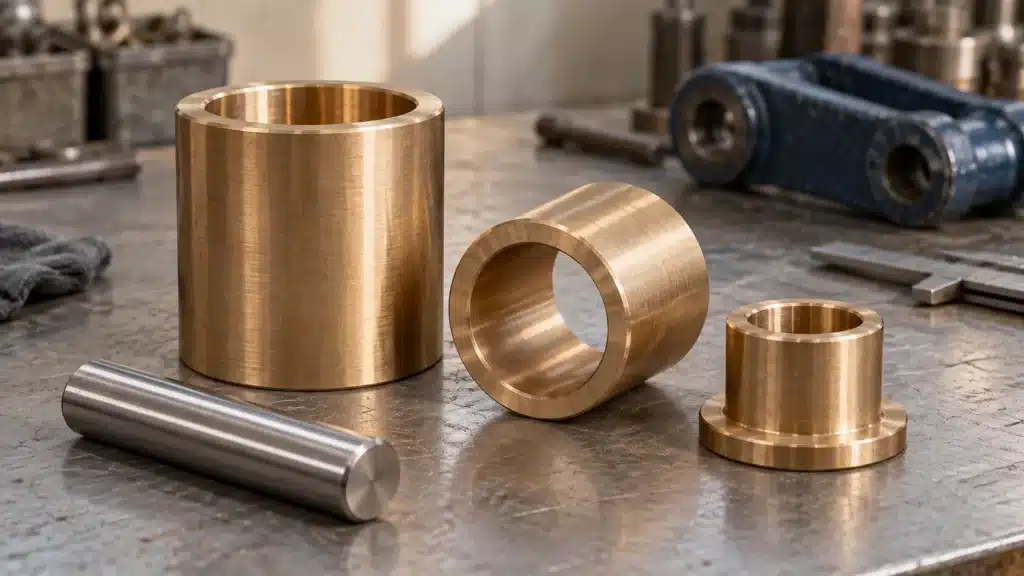
I’ve been in this industry for over two decades, and I still see engineers overcomplicate this. A bronze bushing is a fairly simple part. Choosing one gets more difficult when the catalog has to stand in for a proper description of the machine. ‘Heavy load’ might mean a steady load all afternoon, or a sharp impact every few seconds. Those aren’t the same enquiry.

Take lubrication. A grease fitting on the drawing looks straightforward. Put the joint behind a guard, then put another assembly in front of the guard, and servicing it becomes a different job. Or take the load: the figure during steady running may tell you very little about the impact when the machine jams.

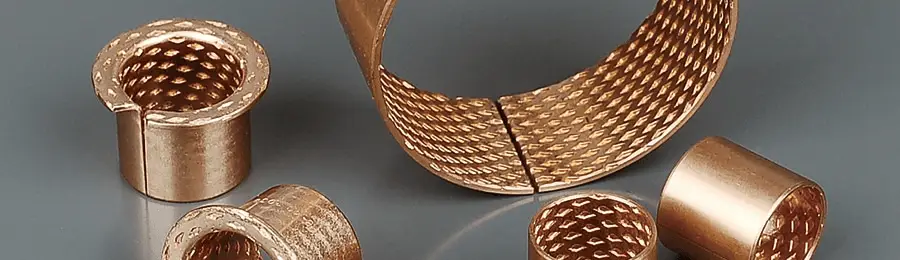
Here are eight reasons to put bronze on the shortlist, with a few details to settle before ordering.
Wear Plates: Material Performance, Metallurgical Working Conditions & Matched Wear Protection Solutions
Interpretation of Bushing Knowledge

Metallurgical Equipment Reliability: The Critical Role of Shear Machine Bushings in High-Impact Steel Processing

Shear machines constitute essential capital equipment in metallurgical processing lines, performing precision cutting operations on hot-rolled blooms, slabs, and billets under extreme operational conditions. The bushing—a cylindrical bearing component—serves as the critical interface between moving shear components, directly influencing equipment reliability, production uptime, and maintenance costs. These components function in environments characterized by high impact loads, elevated temperatures reaching 300°C, abrasive particulate contamination, and frequent start-stop cycling. The selection, application, and maintenance of shear machine bushings represent key determinants of operational efficiency in steel mills and metal processing facilities worldwide.

The Metallurgical Engineering of Bronze Sleeve Bearings: Alloy Selection, Load Dynamics, and Industrial Application
Interpretation of Bushing Knowledge

The Metallurgical Engineering of Bronze Sleeve Bearings: Alloy Selection, Load Dynamics, and Industrial Application

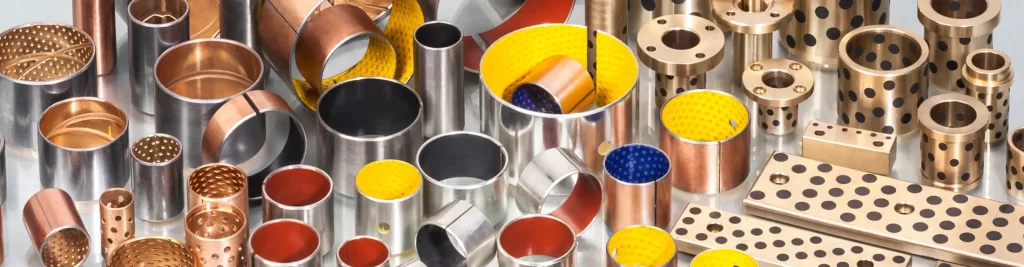
Bronze sleeve bearings, classified as plain bearings or journal bearings, constitute a foundational component within mechanical engineering, providing a critical interface for rotating or linear motion between a shaft and a housing. Functioning as bushings, these components leverage the inherent tribological advantages of copper-based alloys to reduce friction, manage heat dissipation, and absorb operational loads. The extensive utility of bronze sleeve bearings, from automotive powertrains and heavy construction equipment to precision machine tools and marine propulsion systems, is attributable to the versatile metallurgical properties of bronze. Unlike rolling element bearings that rely on point contact, sleeve bearings employ a larger surface contact area, enabling them to support significant radial loads, accommodate shock loading, and offer resistance to mechanical wear

Self-Lubricating Bushings: The Maintenance-Free Solution for Demanding Industrial Applications
Interpretation of Bushing Knowledge

Sleeve Bearing Metallurgy: Material Architectures, Performance Optimization, and Application Engineering

Sleeve bearings, also known as plain bearings, journal bearings, bushings, or sliding bearings, represent one of the most fundamental and widely applied mechanical components in engineering history. Unlike rolling element bearings that utilize balls or rollers to separate moving parts, sleeve bearings employ a sliding action between two conforming surfaces to facilitate linear or rotational movement while reducing friction, absorbing vibration, and supporting loads. The metallurgical composition, material architecture, and manufacturing processes of sleeve bearings directly determine their performance characteristics, service life, and application suitability.

Babbitt Bearing Metallurgy: Material Science, Design Classifications, and Industrial Applications
Interpretation of Bushing Knowledge

Babbitt Bearings: Material Characteristics, Working Mechanism, Classification and Industrial Application Solutions

Rolling bearings occupy dominant market share in general machinery, yet heavy-duty rotating equipment such as turbines, large generators, industrial pumps and blowers still rely heavily on fluid film sliding bearings lined with Babbitt metal. Babbitt bearings, also known as white metal bearings, represent a core type of plain bearing defined by lining material rather than structural form. Since Isaac Babbitt invented Babbitt alloy in 1839, this soft bearing alloy has been widely adopted in heavy industry for its outstanding conformability, embeddability and anti-galling performance.

Interpretation of Bushing Knowledge

Sleeve Bushing: The Definitive Technical and Application Resource for Industrial Drive Systems

A sleeve bushing, often referred to as a plain bearing, sliding bearing, or journal bearing, represents a cylindrical component designed to provide bearing surfaces for rotating or sliding shafts within mechanical systems . Unlike rolling element bearings that utilize balls or rollers to facilitate movement, the sleeve bushing operates on the principle of sliding friction . This foundational distinction underscores its unique capabilities in managing heavy loads, accommodating shock conditions, and offering a cost-effective solution for numerous industrial applications.

Plain Bearings: The Engineering Foundation for Heavy-Duty Industrial Applications
Interpretation of Bushing Knowledge

Plain Bearings: The Engineering Foundation for Heavy-Duty Industrial Applications

Plain bearings—also referred to as plane bearings, sleeve bearings, journal bearings, or bushings—represent one of the most fundamental and enduring mechanical components in industrial engineering. Unlike rolling-element bearings that utilize balls or rollers to separate moving parts, plain bearings operate on a simple yet highly effective principle: a smooth bearing surface supports a rotating or sliding shaft with a thin film of lubricant interposed between the two surfaces

Rolling Bearings: Definition, Types, Advantages and Limitations
Interpretation of Bushing Knowledge

Rolling Bearings: Definition, Types, Advantages and Limitations

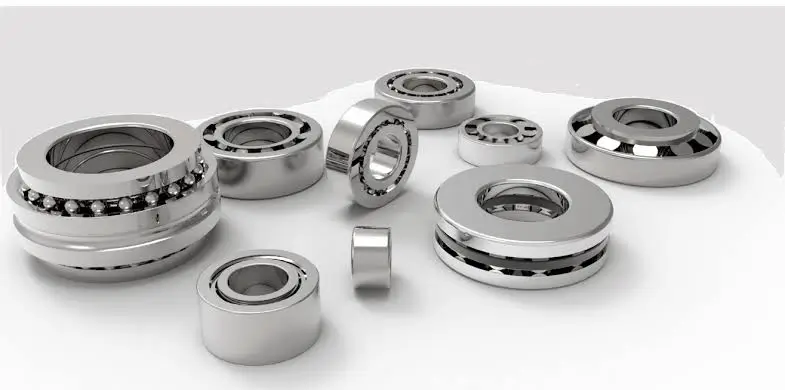
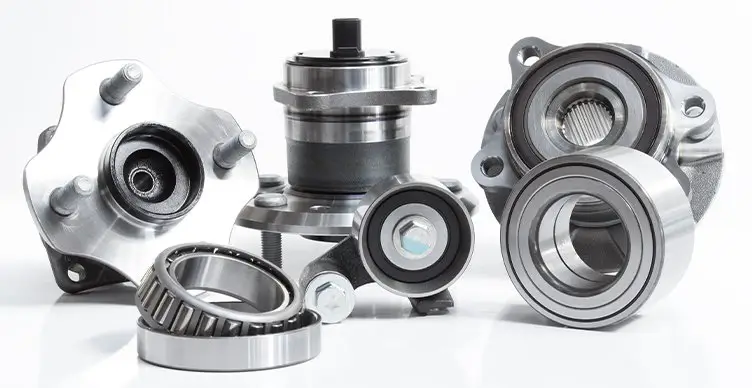
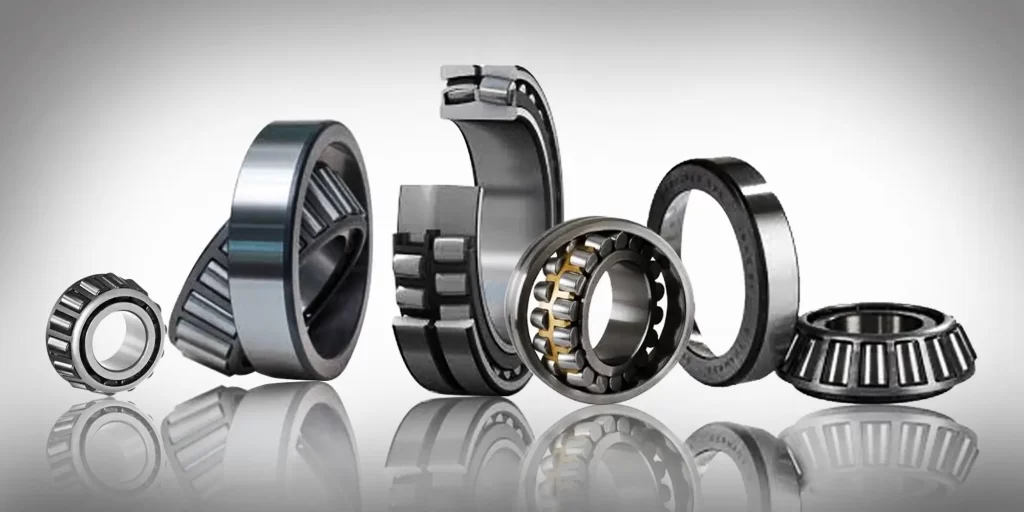
A rolling bearing is a mechanical component that reduces rotational friction between moving parts while supporting loads. Unlike plain bearings (also called sliding bearings or bushings) which rely on direct sliding contact, rolling bearings use rolling elements – balls or rollers – positioned between an inner ring and an outer ring. As the shaft rotates, these rolling elements roll along the raceways, converting sliding friction into rolling friction. Because rolling friction is substantially lower than sliding friction, rolling bearings generate less heat, consume less energy, operate at higher speeds, and achieve longer service lives under proper conditions.

Every rolling bearing typically consists of four basic components: inner ring (mounts onto the rotating shaft), outer ring (fits into the stationary housing), rolling elements (balls or rollers that carry the load), and a cage or retainer (separates the rolling elements and maintains even spacing). Some designs also include seals, shields, or special coatings for contaminated or washdown environments.

Bushing vs Bearing: Stop Guessing – Pick the Right One for Long-Lasting Performance
Interpretation of Bushing Knowledge

Bushing vs Bearing: Stop Guessing – Pick the Right One for Long-Lasting Performance

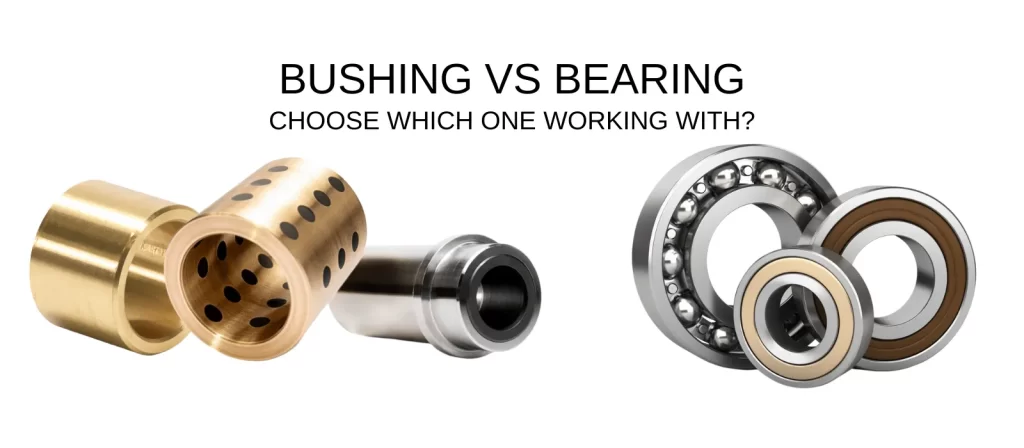
When building or maintaining machinery, one question comes up again and again: Bushing or bearing — what’s the difference, and which one is right for my application?

Here’s the honest truth: a bushing is a type of bearing. Specifically, it‘s what engineers call a “plain bearing” or “sleeve bearing.” But not every bearing is a bushing — ball bearings and roller bearings work differently, cost more upfront, and serve different purposes-. Understanding the real difference between these two categories isn’t just technical trivia — it’s the key to lower maintenance costs, fewer breakdowns, and longer equipment life.

MYWAY DU Bushing: The Maintenance‑Free Self‑Lubricating Solution for High‑Load & Extreme‑Temperature Applications
Interpretation of Bushing Knowledge

MYWAY DU Bushing: The Maintenance‑Free Self‑Lubricating Solution for High‑Load & Extreme‑Temperature Applications

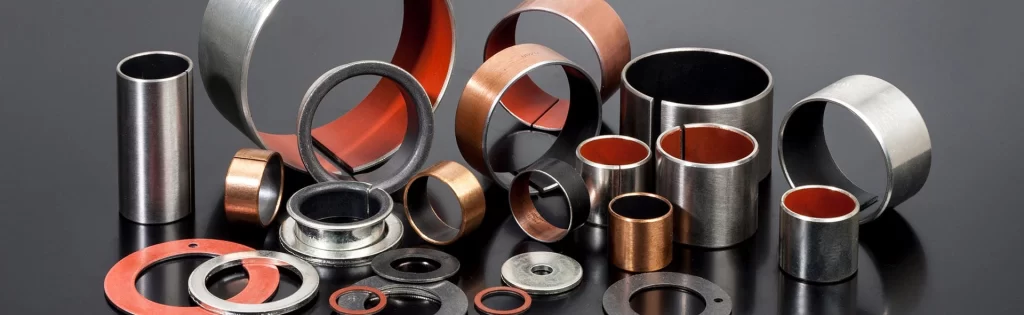
Unexpected bearing failures and frequent lubrication of hard-to-reach components lead to costly downtime and reduced productivity. A DU bushing—also known as a dry, self-lubricating, or oil‑free bushing—eliminates these issues. Engineered for maintenance‑free operation, it resists contamination and prevents unexpected failures.

When combined with the manufacturing precision of Zhejiang MYWAY Co., Ltd., DU bushings deliver reliable performance at a competitive cost.

This guide explains what a DU bushing is, how it works, its key applications, and why MYWAY DU Bushings are the preferred choice for demanding industrial and automotive environments.

Scroll to Top